



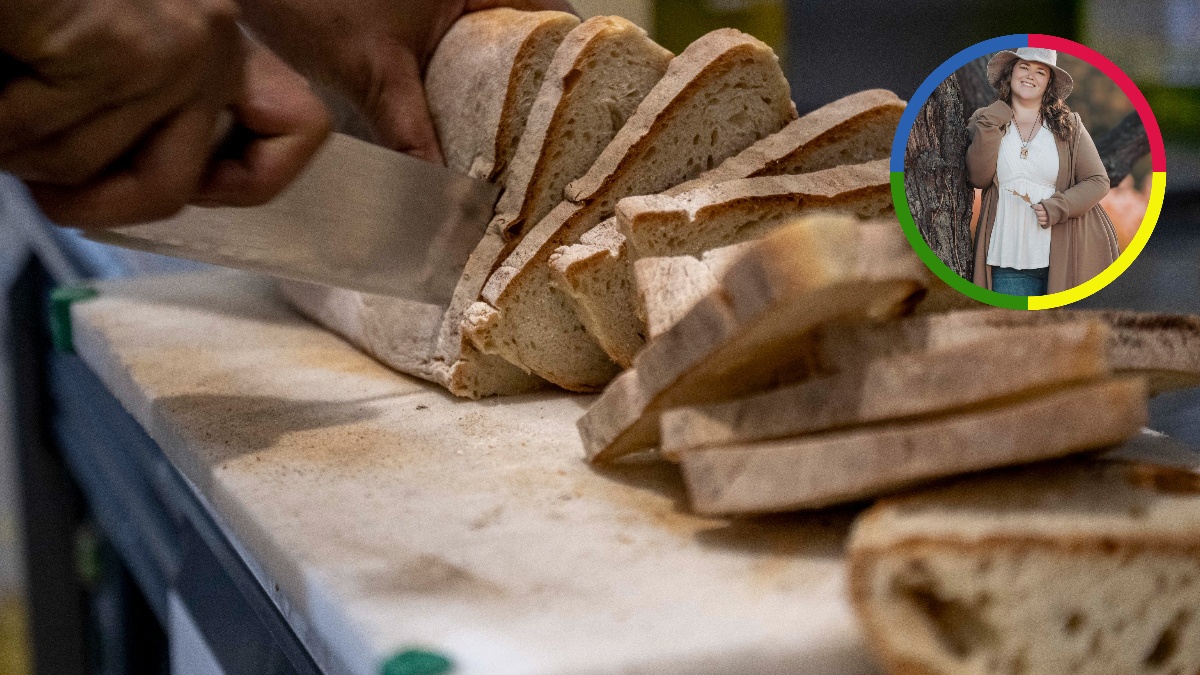

A recent viral warning from a TikTok creator about a terrifying food contamination called “rope spoilage” is making everyone nervously inspect their baked goods. This little-known issue, caused by heat-resistant bacteria, has the potential to turn your favorite bread or cornbread into a slimy, stringy mess that can absolutely lead to food poisoning if you eat it.
The warning went viral thanks to TikTok creator @thewandlesswitch, who racked up 1.2 million views after demonstrating exactly what the contamination looks like. She pulled apart what appeared to be cornbread to show the truly awful “stringy stuff” inside. It looks like thin, slimy strands connecting the pieces of bread, and it’s caused by the presence of bacillus bacteria in the flour.
If you’re wondering how bacteria survived the oven, that’s the truly bizarre part of this whole situation. Rope spoilage is caused by heat-resistant, spore-forming bacteria that easily contaminate raw ingredients like flour. The spores are tough enough to survive the high temperatures of the baking process. Once the baked goods are done, the bacteria continue to grow if the bread is stored in warm, humid conditions. This growth is what causes the stringy strands you see when you pull the bread apart.
This isn’t just an issue for bakers at home, either
The creator warned that rope spoilage can be found in baked goods of all kinds. It doesn’t matter if they are homemade, store-bought, freshly baked, or pre-packaged. The source of the problem is usually contaminated flour, which means the issue can pop up almost anywhere.
Before you even see the visual strands, you might get a warning sign from your nose. In the early stages of contamination, the spoiled baked goods will emit an unpleasant odor. Think rotting fruit or maybe even pineapple. This smell happens because the bacteria produce enzymes that start to degrade the bread’s crumb, which is what causes the soft, sticky, slimy texture. When you see that visible stringiness, the contamination is already well underway.
This information is awful for anyone who loves bread, but there is some actionable advice you need to follow if you spot this in your kitchen. @thewandlesswitch was very clear about the proper steps to take. “So I wanna show you what rope spoilage looks like,” she said, showing the strings caused by the bacteria. She then gave a firm warning: “If you made a batch at home, throw the rest of it away and check your flour. You might even wanna just throw your flour out.”
It’s, of course, better to lose a bag of flour than risk getting food poisoning from the heat-resistant bacillus bacteria. If you purchase the spoiled item from a restaurant or a store, the steps are a little different. “If it’s from a store, contact the store or restaurant. Let them know that you found it. Don’t eat it,” she advised. Seriously, don’t take the risk.
It just goes to show you that even the most common ingredients like pork loins with honeycomb-like holes or ground beef reeking of ammonia can harbor some truly scary secrets.







Published: Dec 18, 2025 02:30 pm