




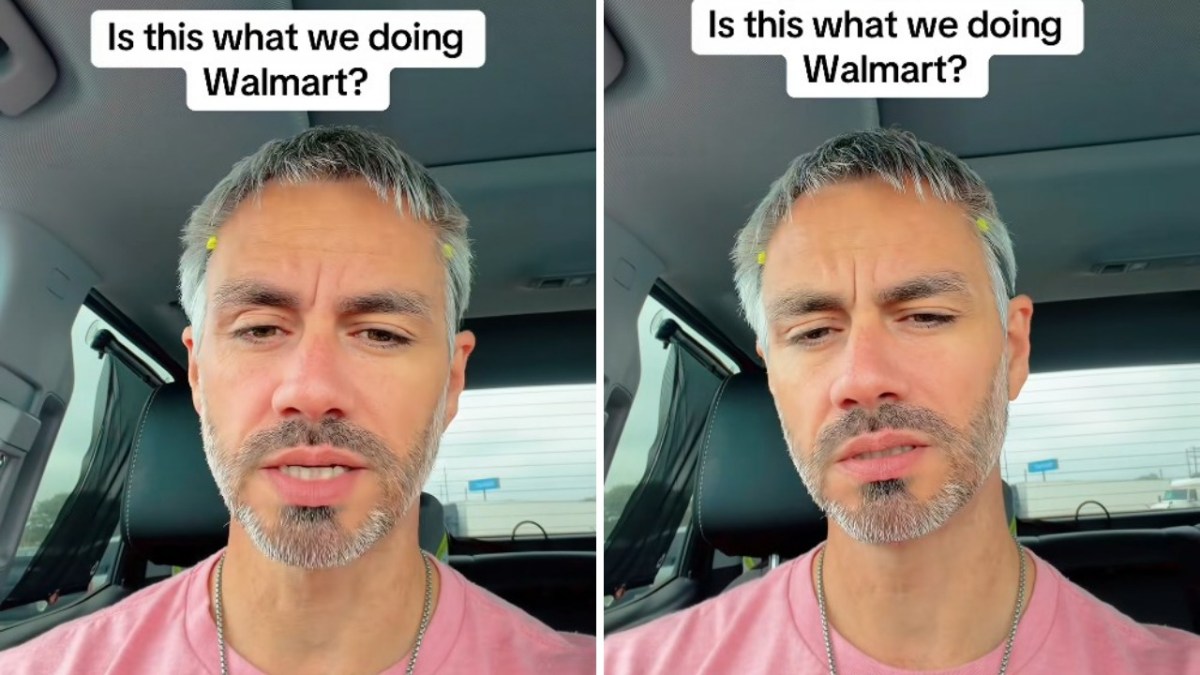
A TikTok video showing a worker describing his struggle to stay afloat despite earning what many would consider a solid hourly wage has set off a wide debate on X about the current cost of living. The video, later shared by the X account Wall Street Apes, centers on a creator who says he is making more money than at any point in his life yet still cannot cover his basic needs comfortably. As reported by The Daily Dot, the clip quickly drew thousands of responses from people sharing similar frustrations.
The creator describes having already eliminated every small expense he could identify, stating there is “no more cutting back on Starbucks coffees, subscriptions.” He describes standing at noon debating whether to skip lunch, and frames the problem not as individual mismanagement but as a structural issue: “the bills be snatching it” the moment a paycheck arrives. He uses $40 an hour as a benchmark, arguing that even at that rate, a worker is left with only a couple hundred dollars of breathing room at the end of the month.
The account that reposted the video on X backed the sentiment with figures, noting that one-bedroom apartments in many parts of the country now run between $1,800 and $2,500 per month. When taxes, insurance, gas, and groceries are factored in, the math leaves little room. The post also cited what it described as a 2026 poll claiming that 75 percent of American workers are unable to afford more than their basic needs, though the poll’s source was not independently verified in the original post.
Online reaction split over causes and severity
Responses on X ranged widely. Some commenters pointed to the increase in the M2 money supply since early 2020 as a driver of inflation, while others focused on housing demand and immigration policy as contributing factors. The debate reflected broader disagreements about whether the problem is rooted in government policy, corporate pricing, or structural wage stagnation.
Not everyone was convinced of a breaking point. One skeptical commenter argued that food delivery apps, concert tickets, and subscription platforms like OnlyFans are still generating activity, and said a real economic collapse would only register to them when those industries begin visibly declining.
The gap between what workers feel they can afford and what prices actually demand has been a consistent theme in public discourse for months. Amid ongoing concerns about household costs, gas prices remain well above prewar levels according to Energy Department data, adding further pressure to everyday budgets.
One commenter on X summarized the sentiment in the original video’s favor, writing that $40 an hour “used to feel like solid money” but now “barely covers rent in most cities” once insurance, gas, groceries, and taxes are deducted. Another framing that gained traction online was that the problem is not individual spending habits but that “the math just doesn’t work anymore.” The conversation gained further traction amid broader questions about consumer prices.
The Supreme Court struck down many of Trump’s tariffs in February, though analysts noted shoppers may still be waiting for relief as businesses that already absorbed higher costs have been slow to reverse price increases.






Published: Jun 4, 2026 10:45 am