



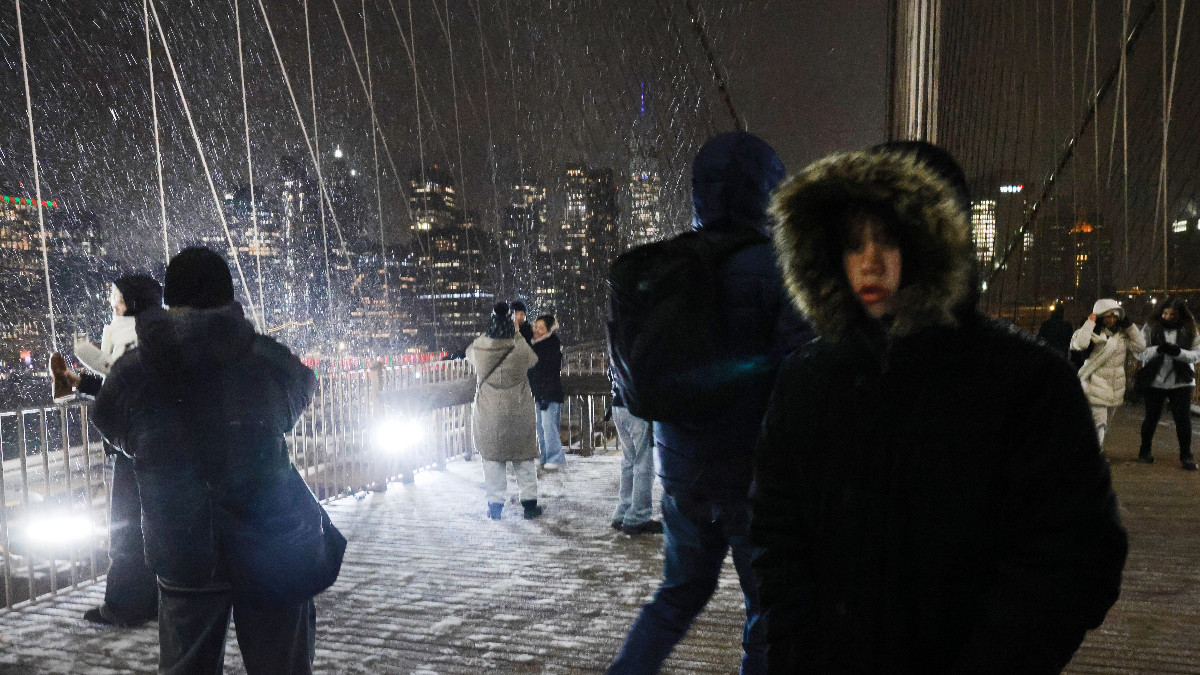

Thousands of people gathered along the Brooklyn Bridge and nearby waterfront on New Year’s Eve expecting a fireworks show that never existed. The crowd was drawn there by convincing but entirely fake AI-generated videos that circulated widely on social media in the days leading up to midnight, per Daily Dot.
People reportedly stood outside for hours in freezing temperatures, packed along the bridge and in DUMBO, waiting for the countdown. When the clock struck midnight, there were no fireworks, no announcement, and no explanation. Videos show just silence and confusion as it became clear the event had been fabricated.
What followed was a wave of frustration and embarrassment, as many realized they had trusted online posts without verifying whether the display was official. The incident quickly became an example of how easily misinformation, amplified by artificial intelligence, can move large groups of people in the real world.
This felt like a preventable situation
The misleading content reportedly spread across platforms like TikTok and Instagram, where AI-generated clips showed dramatic fireworks bursting over the Brooklyn Bridge. Many of the videos presented the display as part of an official New Year’s Eve celebration, even though no such event was scheduled at that location. The visuals were realistic enough to convince thousands that the show was real, raising fresh questions about how social platforms handle deceptive or manipulative content, especially as they roll out new features and initiatives meant to promote healthier engagement.
New Yorker Marco Abbiati later addressed the situation on Instagram, explaining how the confusion unfolded. He confirmed that large crowds gathered expecting fireworks and instead spent hours waiting in the cold for something that was never planned.
Abbiati noted that many of the videos reused footage from past July 4 celebrations, repurposed to look like a New Year’s Eve announcement. He also pointed out that locals typically know the Brooklyn Bridge does not host a major New Year’s Eve fireworks display, and that official celebrations and permitted displays are usually announced well in advance and take place at other, specific locations throughout the city.
He added that many of the accounts promoting the fake event were run by people who did not live in New York and were unfamiliar with local traditions or schedules. Online reactions ranged from mockery to genuine concern, with some users joking that the situation amounted to “April Fools in December,” while others criticized the crowd for trusting what they saw on their feeds.
Several commenters warned about following unfamiliar or “fugazy” pages that rely on flashy visuals rather than verified information. Beyond the jokes, the episode raised broader concerns about digital literacy and the growing power of AI-generated content, a concern that has already prompted lawmakers in New York to take a harder stance on how social media platforms operate and disclose risks.



Published: Jan 3, 2026 05:30 am