



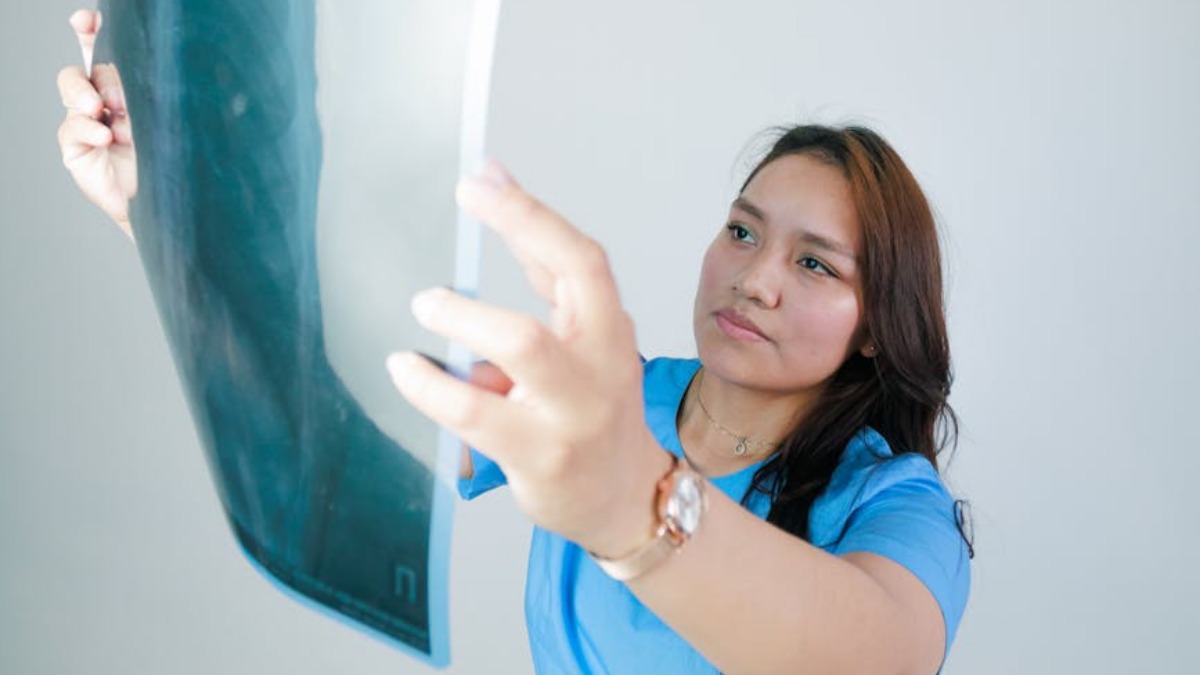

Mitchell H. Katz, the president and CEO of NYC Health + Hospitals, America’s largest public hospital system, recently declared he is ready to start replacing radiologists with artificial intelligence in certain situations, once regulations catch up, as reported by Radiology Business. Katz, who is actually a trained internal medicine specialist, shared his perspective during a panel discussion, hosted by Crain’s New York Business, highlighting the increasing use of AI in interpreting mammograms and X-rays.
For Katz, this shift presents a massive opportunity for hospitals to save money. Radiologists have become incredibly costly as the demand for imaging services continues to rise, and AI could offer a more economical solution. He explicitly stated at the forum, “We could replace a great deal of radiologists with AI at this moment, if we are ready to do the regulatory challenge.”
Katz, who has been at the helm of this 11-hospital organization since 2018, sees AI as a game-changer for improving access to critical screenings, especially for breast cancer. He envisions a system where technology handles the initial reads, potentially leading to “major savings,” with human radiologists then stepping in to double-check only those screenings flagged as abnormal.
However, this enthusiastic embrace of AI isn’t universally shared, especially among the very professionals who might find themselves replaced
Supporting this approach was fellow panelist David Lubarsky, the president and CEO of the Westchester Medical Center Health Network. Lubarsky shared that his system is already seeing fantastic results by deploying such technology. He even went as far as to tell the audience that their AI misses very few breast cancers and is “actually better than human beings.”
For women who aren’t considered high risk, he explained, if the AI test comes back negative, it’s only wrong about 3 times out of 10,000, which is an incredibly low error rate. Katz then pressed other hospital CEOs on the panel, asking why they shouldn’t push for changes to New York state regulations that would allow AI to read images “without a radiologist” as the primary interpreter.
In this proposed scenario, radiologists would then serve as a crucial second opinion if the AI flags any images as abnormal. Sandra Scott, the CEO of One Brooklyn Health, a smaller hospital facing tight financial margins, quickly agreed with this line of reasoning. She called the idea of using AI to replace radiologists a “game-changer,” especially for safety-net institutions like hers.
However, this enthusiastic embrace of AI isn’t universally shared, especially among the very professionals who might find themselves replaced. These comments from Katz echo earlier, controversial statements made by Dario Amodei, the CEO of Anthropic, who falsely claimed in a podcast interview that AI had already taken over the core functions of radiology, allowing doctors to focus more on the “human side” of their work.
Radiologists were quick to criticize Amodei’s remarks, and the same sentiment is now being directed at Katz. Mohammed Suhail, a San Diego-based radiologist with North Coast Imaging, didn’t mince words when he reacted to Katz’s comments. He told Radiology Business that these are “undeniable proof that confidently uninformed hospital administrators are a danger to patients: easily duped by AI companies that are nowhere near capable of providing patient care.”
Suhail delivered a stark warning, stating that “any attempt to implement AI-only reads would immediately result in patient harm and death, and only someone with zero understanding of radiology would say something so naive.” He concluded by noting that, in a sense, administrators are correct: “Hospitals are happy to cut costs even if it means patient harm, as long as it’s legal.”
This sharp pushback from the medical community isn’t new. Experts have been actively challenging the narrative that artificial intelligence applications are some kind of universal panacea for the many challenges radiologists face. A recent research paper published in Current Problems in Diagnostic Radiology delves into this, with experts emphasizing that not all AI is created equal. It’s vital, they argue, to distinguish between “useful” applications and “useless” ones when considering integration into clinical practice.




Published: Apr 1, 2026 08:00 pm