




It seems like the tech titans who built our digital world are secretly a little terrified of it, especially when it comes to their own kids. The biggest names in Silicon Valley are quietly, but strictly, limiting their children’s screen time, creating a stark contrast with the “iPad kid” phenomenon that’s become so common, as reported by Fortune.
This trend of children spending excessive time on devices has accelerated significantly, with many young ones now being dubbed “iPad kids.” It’s a real issue, as children in the U.S. between the ages of 8 and 18 are reportedly spending a staggering 7.5 hours per day watching or using screens. That’s a lot of screen time, and it’s something many parents grapple with, often turning to screens for a moment of peace.
Interestingly, this isn’t a new concern for the tech elite. Way back in 2010, Apple cofounder Steve Jobs told a reporter that his children never used an iPad. He was clear, saying, “We limit how much technology our kids use at home.” Fast forward to today, and that sentiment has only grown stronger among the tech world’s most powerful figures, particularly with the rise of social media and short-form video content.
As young people spend more and more of their waking hours online, the backlash against social media, especially its use by minors, is reaching a critical point
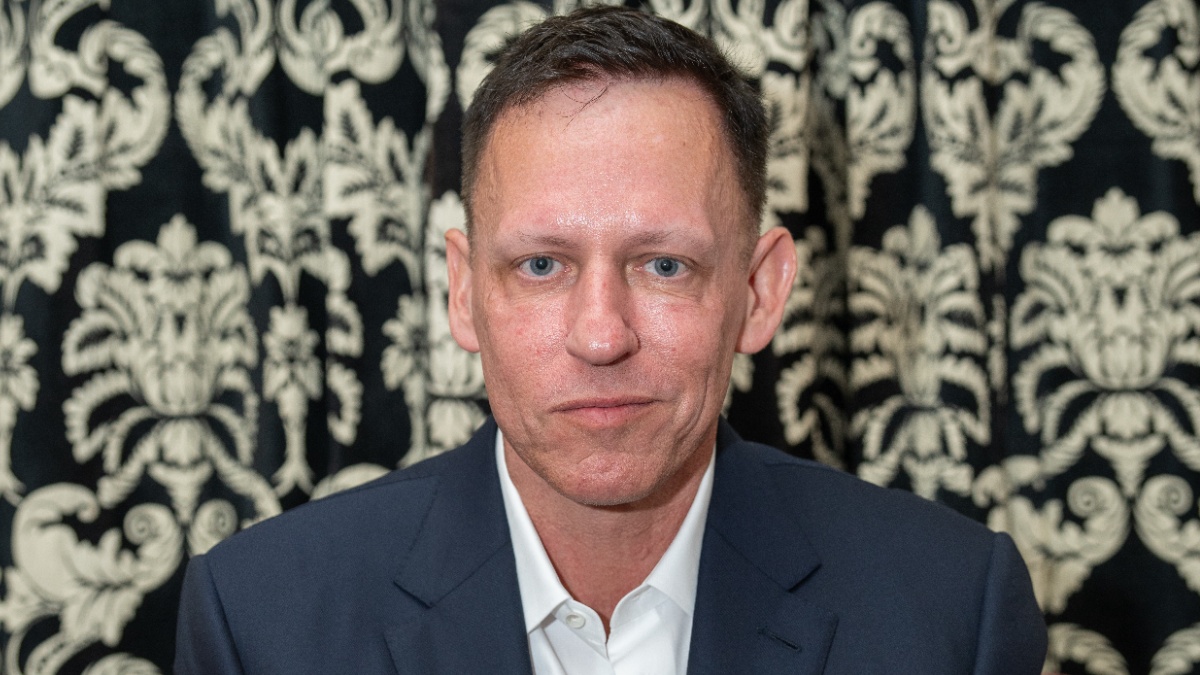
Take Peter Thiel, an early Facebook investor and billionaire, for example. He shared at the 2024 Aspen Ideas Festival that he only lets his two young children use screens for a mere hour and a half per week. Snap CEO Evan Spiegel echoes this, limiting his child to the exact same 1.5 hours per week of screen time.
Other tech leaders have similar approaches. Microsoft’s Bill Gates didn’t give his children smartphones until they were 14 and completely banned phones at the dinner table. Elon Musk, who now owns X, even admitted it “might’ve been a mistake” to not set any social media rules for his own kids. YouTube cofounder Steve Chen, speaking at the Stanford Graduate School of Business, voiced his concern about short-form content, suggesting it leads to shorter attention spans. He thinks it might be better to limit kids to videos longer than 15 minutes.
Even TikTok CEO Shou Zi Chew clarified that while his own children were too young for the app, he would only let them use it if they lived in the U.S. and had access to rigorous under-13 protections, including vetted content and no posting access.
These parenting instincts are actually backed by science. A 2025 study involving nearly 100,000 people found a consistent link between short-form video use and poorer cognition, as well as a decline in various aspects of mental health for both younger and older social media users. It’s pretty compelling evidence.
Countries are starting to take action. Australia and Malaysia have become the first to ban adolescents under 16 from using social media, and others like France, Denmark, and the United Kingdom are considering similar legislation. We’ve even seen Meta CEO Mark Zuckerberg in court recently, defending his company against claims that its platforms are designed to hook young children.
Still, as lawsuits against social media companies continue and more countries move to legislate what Silicon Valley’s billionaires have been practicing privately for years, it highlights a fascinating contradiction: the creators of our attention economy are often the most careful about protecting their own families from it.








Published: Feb 23, 2026 03:30 pm