




Tesla is finally making good on its promise, as several vehicles were spotted driving autonomously without human safety monitors on public roads in Austin over the weekend, as reported by The Verge. This is a massive, aggressive step that feels like the company is declaring war on competitor Waymo by removing what was long considered a crucial safety net.
For months, the company’s robotaxis had human safety monitors on board. In Austin, that monitor sat in the passenger seat, and in San Francisco, they were actually in the driver seat. Critically, those humans had access to a kill switch just in case the technology went haywire, a fallback that Waymo, which also came under scrutiny for safety, currently doesn’t need for its established commercial robotaxi service. Tesla service is not fully open to the public yet, relying instead on customer waitlists to manage access.
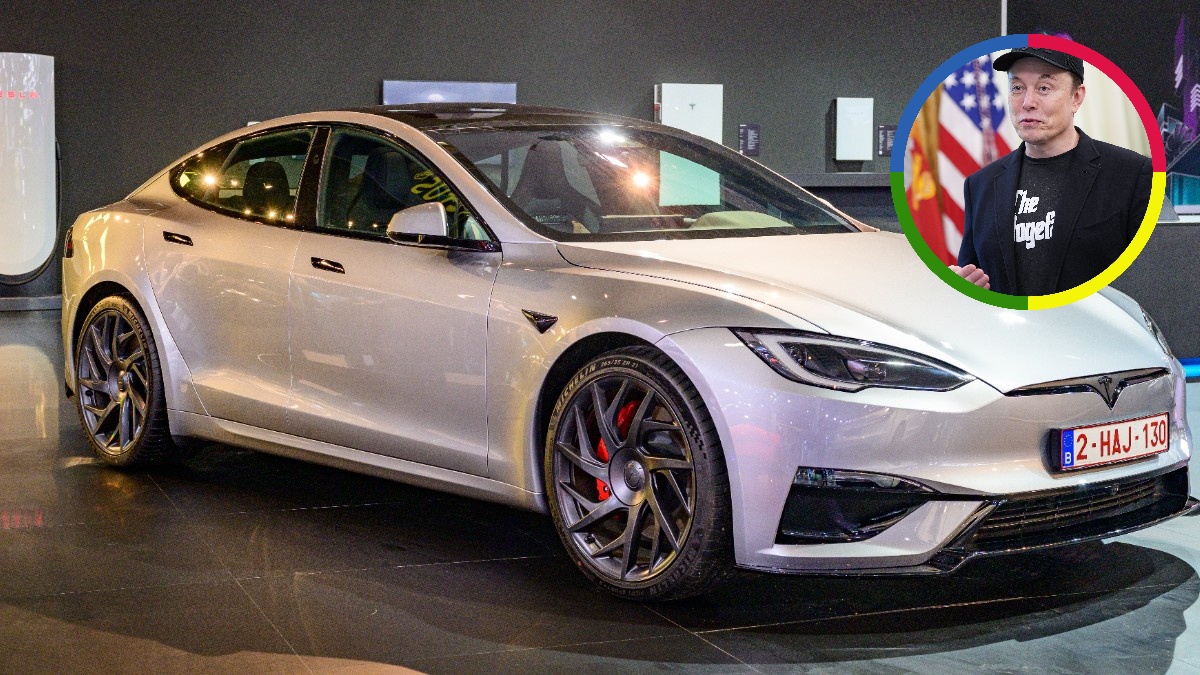
It looks like the company is following through on what Musk said earlier this year. He insisted that those human monitors were only there because Tesla was being “paranoid about safety,” and not because the technology had any real deficiencies. He even predicted that the company would remove the safety monitors by the end of 2025, a deadline he now appears to be hitting.
While the move instills some confidence in the tech, Tesla’s refusal to come out with verifiable safety data leaves a lot of doubts
The move was confirmed after videos of two separate robotaxis driving totally empty in the front seats were posted to X. Musk later personally confirmed that the unsupervised autonomous testing had officially started in Austin. While Tesla is clearly making progress on fulfilling promises of unsupervised driving before the end of the year, there’s a huge problem that should make you pause.
The company has yet to release any comprehensive safety data that compares its technology to human driving benchmarks. We can’t assess or compare the performance of this technology when they keep all that information locked up, which is awful for consumer trust and public acceptance.
Sure, there has been a plethora of anecdotal evidence floating around, mostly from pro-Tesla influencers who have been using the service. But let’s be real, that falls far short of comprehensive, verifiable data that the public and regulators can actually trust. Furthermore, Tesla has yet to put any paying customers in one of these unsupervised vehicles.
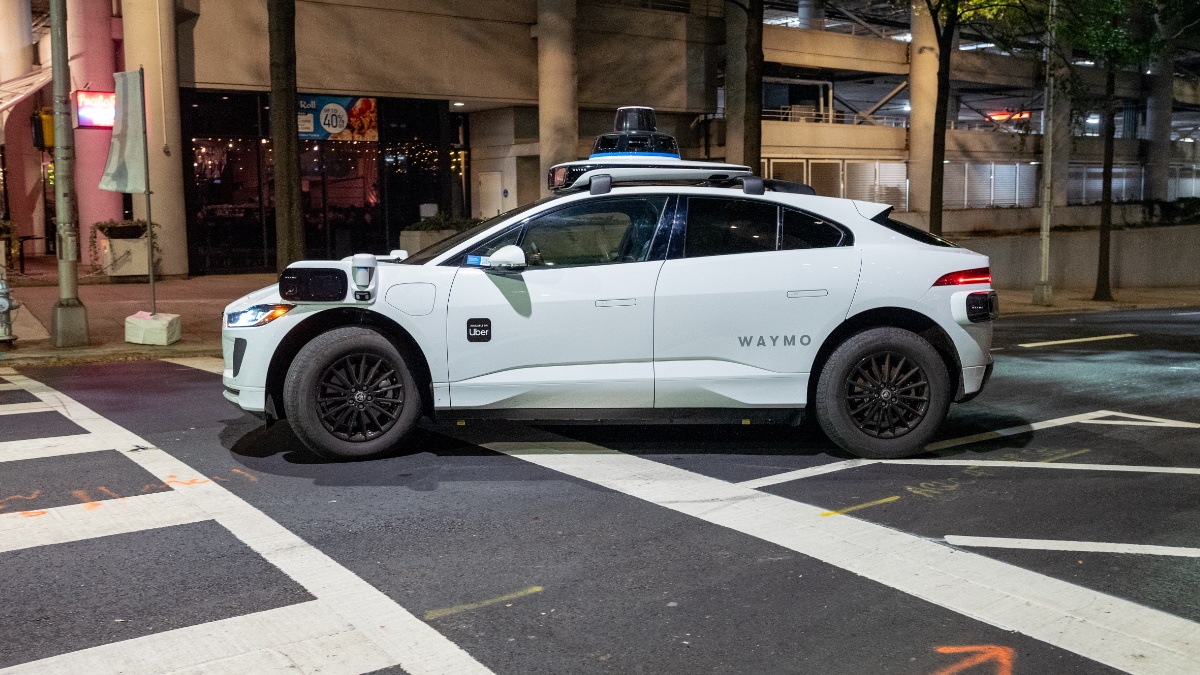
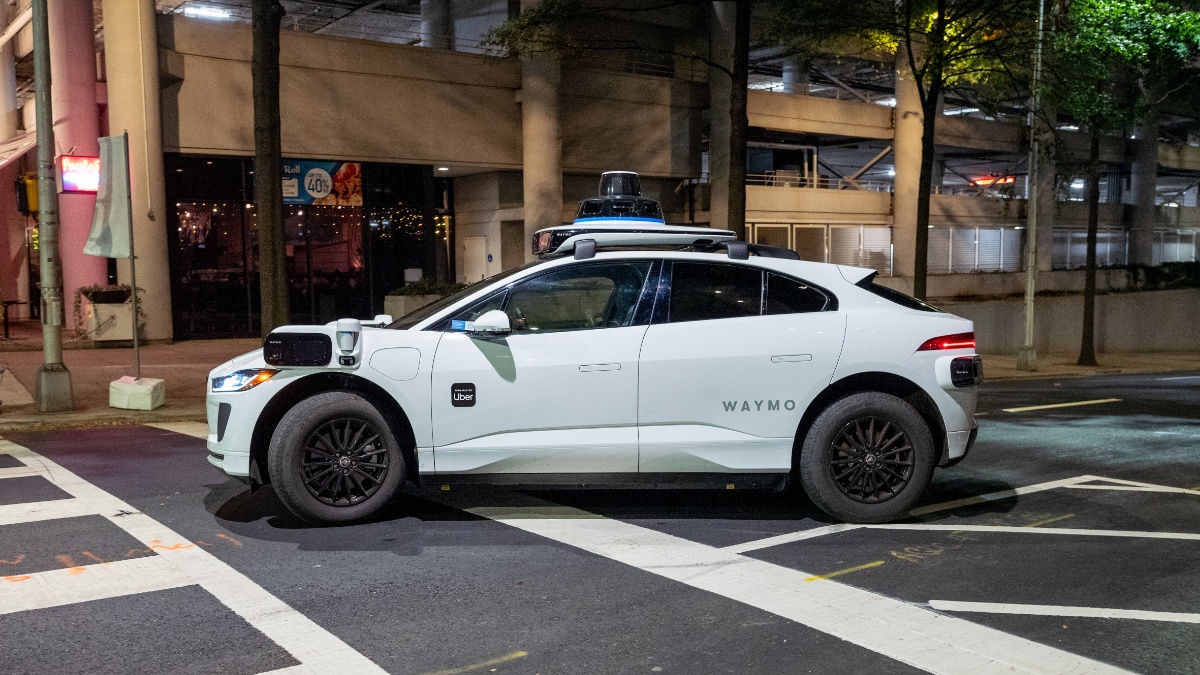
The reason Tesla is pushing so hard now is that Alphabet-owned Waymo is widening its competitive lead significantly. Waymo has reported over 14 million paid rides in 2025 alone, and they’re planning to expand their commercial robotaxi service to 20 new cities in the coming year. When you look at those numbers, it’s clear Waymo is far ahead in terms of actual commercial deployment despite some embarrassing incidents with their robotaxis.
Despite Waymo’s verifiable success, Musk continues to insist that Tesla holds the advantage. He argues that Tesla’s massive customer fleet, which he claims will soon become fully autonomous, is the key differentiator. This sounds great on paper, but you’re forgetting one crucial reality. Most of the Teslas currently on the road actually lack the necessary hardware to support fully autonomous driving.

Published: Dec 16, 2025 05:00 pm