



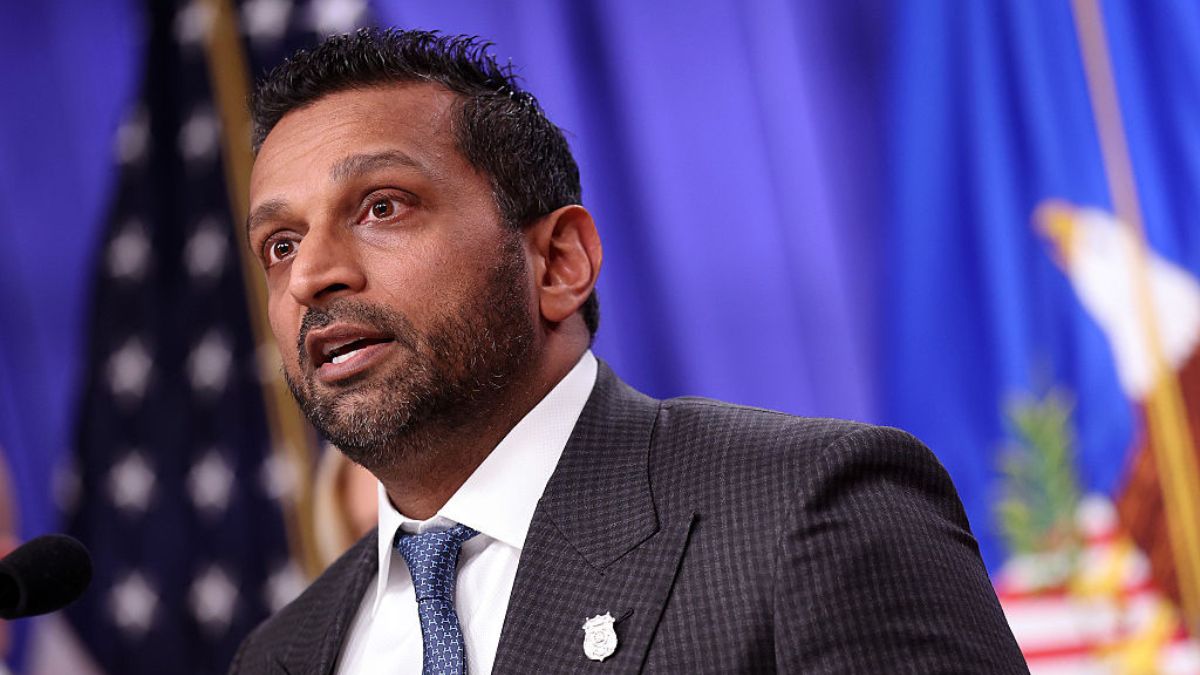

FBI Director Kash Patel and other top officials stopped a standard civil rights investigation into a fatal shooting by an immigration agent last month. This caused a major crisis that led to many federal prosecutors in Minnesota leaving their jobs. Career federal prosecutors had already started investigating after an Immigration and Customs Enforcement agent, Jonathan Ross, shot and killed Renee Good inside her SUV on a Minneapolis street.
Prosecutor Joseph H. Thompson was ready to work with the FBI and the Minnesota Bureau of Criminal Apprehension to find out if the agent’s actions were justified and lawful. FBI agents were preparing to use a signed warrant to document important evidence like blood spatter and bullet holes in Good’s vehicle. But officials ordered them to stop.
According to The New York Times, the high-level officials worried that a civil rights investigation would contradict President Trump’s earlier claim that Good “violently, willfully, and viciously ran over the ICE Officer” who shot her. Instead of allowing the civil rights investigation to continue, top Department of Justice officials pushed different approaches that many saw as legally questionable.
Top prosecutors viewed the alternative investigation as legally suspect and refused to participate
Officials suggested getting a new warrant to investigate Good for assaulting Agent Ross. Later, they told prosecutors to investigate Good’s partner instead, who was present during the confrontation with immigration agents. Thompson and five other career federal prosecutors saw this new direction as legally suspect and completely inappropriate, especially in a state already sensitive to federal immigration enforcement.
They left the office in protest, leading to more resignations that left the U.S. attorney’s office severely understaffed. The people who left were top experts handling huge, complex cases. This comes as the FBI director launches major federal investigations in Minnesota based on controversial sources. The office has only about 25 criminal lawyers, and those who resigned included people overseeing a massive, years-long investigation into social services fraud.
That fraud investigation was the exact reason the White House had previously used to justify sending thousands of immigration agents into Minnesota. The office is now struggling to handle trials for a fatal attack on a state lawmaker, a terrorism case, and drug trafficking investigations. The remaining prosecutors are swamped with new cases challenging immigrant detentions and allegations of assaults on federal officers.
Minneapolis Police Chief Brian O’Hara said, “This is potentially destroying all of the progress that we have made, working together between local and federal law enforcement officials in a very coordinated way, to actually go after the worst of the worst.”
Recent controversies involving how the FBI director deployed agents have raised additional questions about leadership priorities. Attorney General Pam Bondi later claimed the lawyers who left “suddenly decided they didn’t want to support the men and women at ICE,” calling them members of the “deep state.”
Chris Madel, a defense lawyer who advised Agent Ross after the shooting, publicly supported conducting a civil rights investigation. Madel, who previously worked at the Department of Justice, explained that, “In the absence of an independent use-of-force investigation, you lead the public to believe that there must be something to hide.” Current U.S. Attorney Daniel N. Rosen has struggled to reassure remaining staff, noting that detained immigrants filed more than 420 lawsuits in January alone.



Published: Feb 8, 2026 02:15 pm