



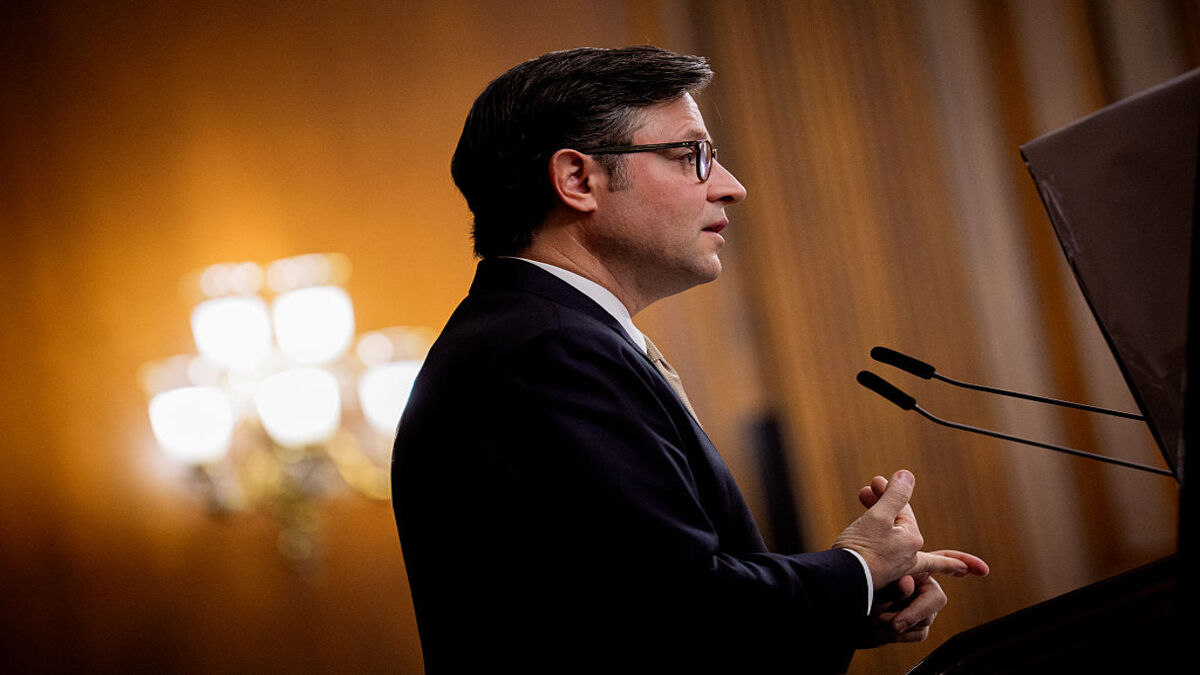

As the government shutdown enters its third week, President Donald Trump has announced measures to ensure that military personnel will receive their pay on schedule, removing what had been a significant leverage point in the standoff. The administration will shift funds to cover troops’ wages for the week, but other sectors of the federal government continue to be affected.
Despite the temporary relief for military personnel, Republicans are employing new tactics to increase pressure on Democrats. At the White House, budget director Russ Vought announced “substantial” layoffs Friday, implementing threats made in the prior two weeks, as reported by Politico. On Capitol Hill, Senate Republicans have said they will no longer allow Democrats to call up their own stopgap spending bill through the end of October, instead requiring votes on the GOP-led alternative.
Speaker Mike Johnson has kept the House out of session, framing the shutdown as a test of Democratic resolve. Senate Majority Leader John Thune indicated that Republicans are counting on rank-and-file Democrats to push their leadership toward a deal. “Bold, courageous Democrats with a backbone” may be influenced by the growing disruptions to services such as air travel, Thune suggested.
Understanding The Dynamics Of The Shutdown And Leverage Points
While military pay is now secured, other immediate pressure points remain, including impacts on the federal courts and potential disruptions in air travel. Democrats are focusing on another impending deadline: the Nov. 1 start of open enrollment for Affordable Care Act insurance plans. Senate Democrats are using the expiration of premium tax credits as leverage, demanding Republicans negotiate to extend them.
Bipartisan negotiations among congressional leaders remain limited. Senate Minority Leader Chuck Schumer and House Minority Leader Hakeem Jeffries have emphasized that a resolution will require direct discussions with the White House and Republican leadership. Rank-and-file Democrats are being called upon to pressure their party leaders to hold firm, while Republicans aim to peel off individual members by dangling post-shutdown negotiations.
Mike Levin “We will not be threatened and intimidated by the likes of Russ Vought,” said. Republicans argue that no deal on extending the insurance subsidies should occur while the government remains closed. Meanwhile, Democrats seek to maintain unity around the need for bipartisan talks and are pushing to use public messaging to increase constituent pressure on Republicans. Schumer noted that voters are beginning to feel the impact of the shutdown and that public attention could influence GOP lawmakers’ positions.
Efforts to break the impasse have included informal proposals from both sides. Senate Republicans, including Sen. Susan Collins and Sen. Markwayne Mullin, floated plans involving health care commitments and full-year spending bills, while Democrats have indicated that any agreement should be reached before the Nov. 1 enrollment window. These preliminary talks are ongoing, though no concrete agreement has yet emerged.








Published: Oct 13, 2025 11:43 am