



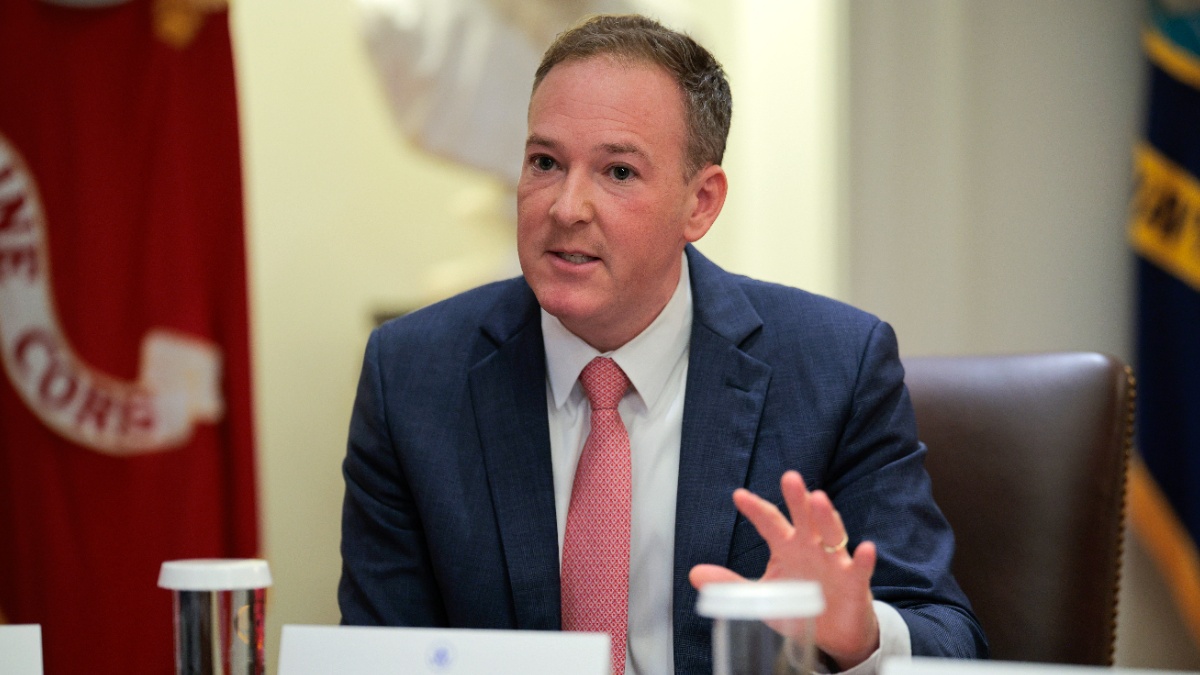

Environmental Protection Agency Administrator Lee Zeldin came out swinging against a major report claiming his agency is fundamentally changing how it calculates the benefits of clean air regulations, calling the story “fake news,” as per The Hill. This whole situation is creating a serious controversy because the specifics of what the agency is allegedly ignoring still raise alarms about the future of pollution control.
The core issue revolves around two major pollutants: fine particulate matter, commonly called PM2.5, and ozone emissions. These aren’t minor irritants; exposure to PM2.5 and ozone is linked directly to severe conditions like lung disease, asthma, and heart issues. For decades, the EPA has considered the health benefits of placing caps on these pollutants when setting new regulatory limits. Historically, this meant assigning a dollar value to the human lives saved and the health costs avoided.
Citing internal agency emails and documents, a report published by The New York Times alleged that the EPA intends to drop this crucial step. The claim is that the agency will only calculate the cost to businesses when setting limits, effectively ignoring the monetary value of health benefits and lives saved in its formal cost-benefit analyses.
That’s a huge step backward for clean air protections, no matter what they call it
Administrator Zeldin, however, insisted the report was “entirely untrue.” He immediately declared the story “another dishonest, fake news claim courtesy of” the publication. He stated his assertion clearly: “Not only is the EXACT OPPOSITE of this headline the actual truth, but [the publication] is already VERY WELL AWARE that EPA will still be considering lives saved when setting pollution limits.” Zeldin, a former New York congressman, later posted that the headline was a “Cute BS headline.”
Richard Grenell, the interim president of the Kennedy Center, also weighed in, writing that the story is “fake news and designed to attack Republicans.” Carolyn Horan, a spokeswoman for the EPA, tried to walk a fine line when addressing the report. She confirmed the agency will “still weigh the health effects” of PM2.5 and ozone regulations, but she clarified that they “will not assign them a dollar value in cost-benefit analyses.” “Not monetizing does not equal not considering or not valuing the human health impact,” she added.
But if the EPA is dropping the dollar value from the formal cost-benefit analysis, it’s fundamentally changing the calculation that drives regulatory decisions. The New York Times defended its reporting, stating the EPA spokeswoman “did not deny” the core finding. The newspaper’s spokesperson, Charlie Stadtlander, confirmed their information remains accurate: the agency is no longer calculating the health benefits of reducing pollution when writing clean-air regulations.
This change is especially concerning when you remember the EPA’s core mandate. The agency’s mission statement explicitly states its goal is to “protect human health and the environment” and ensure Americans have clean air, land, and water. In fact, its mission mentions human health four separate times.
While Zeldin insists they are still considering lives saved, the fact that they won’t be quantifying that benefit with a dollar value in the analysis suggests that the health of Americans is being sidelined in favor of industry costs, and it’s not the first time the EPA is doing something like this.








Published: Jan 14, 2026 12:00 pm