



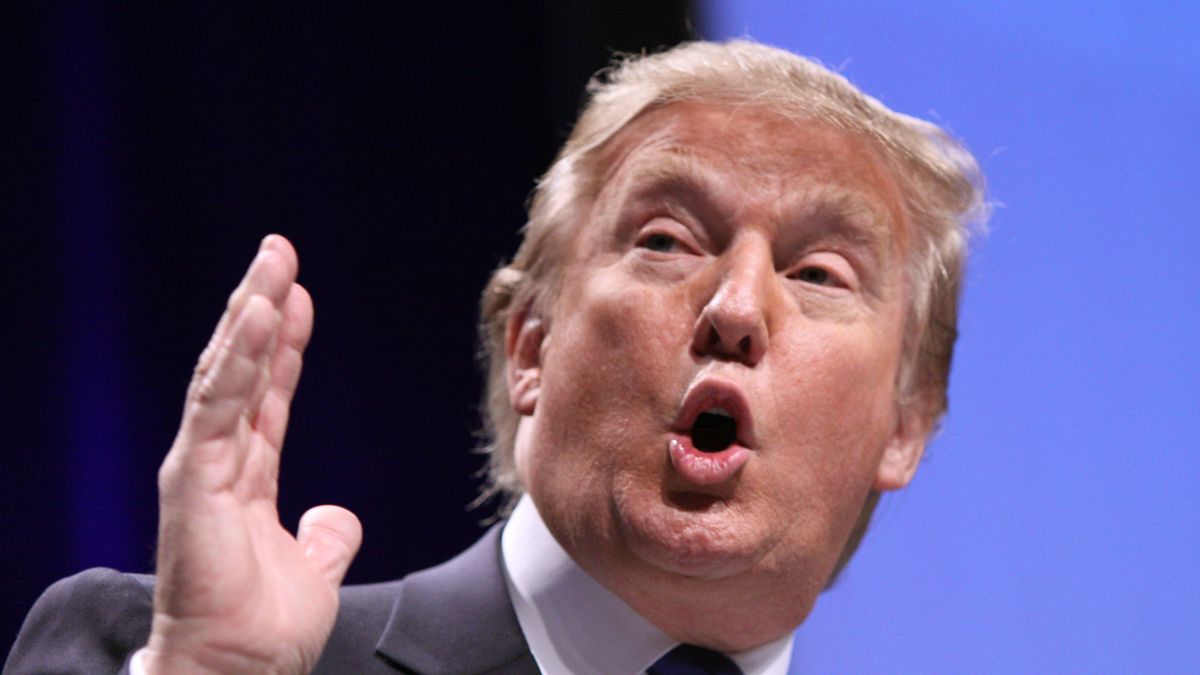

President Trump said Friday he would settle for nothing less than Iran’s “unconditional surrender,” a demand that marks a significant expansion of his administration’s stated goals in the conflict. As reported by The New York Times, the shift could point to a longer war if the administration continues to frame surrender as the only acceptable outcome.
Six days into the joint Israeli and American bombing campaign, Iran has shown no public sign of accepting that demand. Instead, it has widened the conflict by launching missiles and drones at Arab states that host American bases, even as the pace of those attacks has recently declined.
Trump outlined the position in a social media post, saying that after Iran’s surrender there would be “the selection of a GREAT & ACCEPTABLE Leader(s).” He also said the United States and its allies would work to bring Iran back from what he described as the brink of destruction.
The war aims keep expanding
At the start of the U.S. attack on Saturday, Trump urged the Iranian people to rise up and overthrow their government. In the days that followed, however, Secretary of State Marco Rubio and Defense Secretary Pete Hegseth publicly emphasized narrower military goals centered on dismantling Iran’s nuclear program and limiting its missile capabilities, amid Hegseth’s Russia remarks.
Hegseth went further on Wednesday by saying there would be no “nation-building.” His comments also appeared to distance the administration from the kind of postwar reconstruction efforts associated with previous U.S. interventions in Afghanistan and Iraq.
Despite those statements, Trump has continued returning to the idea of regime change. He has repeatedly pointed to the American operation in Venezuela as a model, arguing that it showed how leadership could be removed and replaced under terms acceptable to Washington.
Trump has also dismissed arguments that Iran presents a very different challenge from Venezuela. Iran has a population of 92 million and a government led by clerics and the Islamic Revolutionary Guards Corps, but Trump said in a brief telephone conversation on Friday that the plan would work “very easily” and “like in Venezuela.”
He also said he was not concerned with whether a democratic government ultimately emerged in Iran. Trump said he would be willing to work with moderate Shia religious leaders so long as they were fair to Israel and the United States.
In the same remarks, Trump suggested he would accept a continued clerical government under those conditions. He also said he expected Cuba to fall soon, framing that outcome as part of a broader push for leadership change in governments long seen as adversarial to the United States, even as White House Russia questions continued to follow the war.






Published: Mar 7, 2026 02:30 pm