




Kevin Warsh faced a contentious confirmation hearing on Tuesday, April 21, 2026, as he defended his nomination to become the next Federal Reserve chairman. As reported by the BBC and CNBC, the Senate Banking Committee session drew pointed accusations over his independence, his financial disclosures, and his potential ties to Jeffrey Epstein.
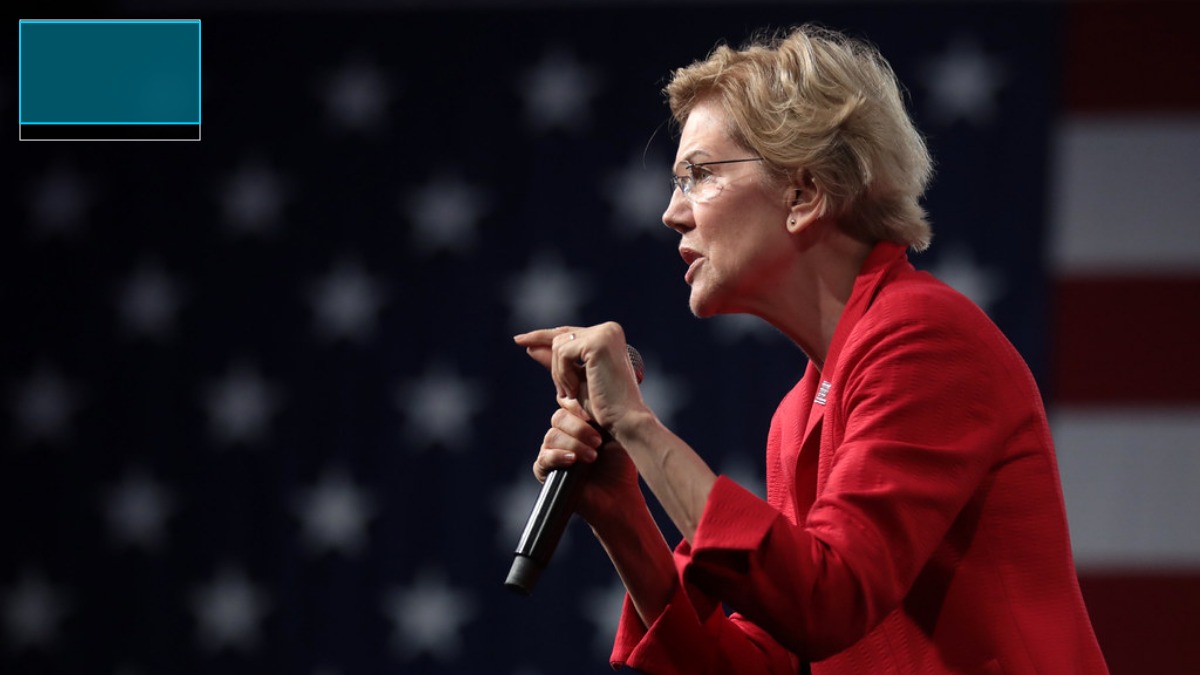
Senator Elizabeth Warren led the charge, labeling Warsh a “sock puppet” for President Donald Trump, suggesting he would act as an extension of the president’s will rather than an independent leader of the central bank. Warren argued that “having a sock puppet in charge of the Fed would give the president access to the Fed’s powerful authorities to enrich himself, his family and his Wall Street buddies.” When asked directly if he would serve in that capacity, Warsh responded, “Absolutely not,” and emphasized that the independence of the central bank “is essential.”
Warsh also faced scrutiny over his extensive personal wealth, which would make him the wealthiest Fed chair in history if confirmed. His financial disclosures revealed holdings worth at least $100 million, though the underlying assets for a significant portion, specifically a vehicle referred to as the Juggernaut Fund, remain undisclosed due to confidentiality agreements. Warren pressed him on whether those funds were linked to Trump-affiliated companies, entities involved in money laundering, Chinese-controlled companies, or financing vehicles established by Jeffrey Epstein.
Warsh’s Epstein answer and the independence question weren’t fully resolved
Warsh did not provide a direct answer to the specific inquiries about those potential links. He told Senator Jack Reed, “What I’ve disclosed, Senator, is all the information that is mine to disclose,” adding that he agreed to divest virtually all of his financial assets before being sworn into office. His name appears in the Justice Department’s Epstein files, though officials have clarified that appearing in those records does not imply wrongdoing, amid ongoing scrutiny of Epstein-connected names in federal documents.
The Fed’s independence remained a central theme throughout the hearing. President Trump has been vocal about wanting lower interest rates and has expressed disappointment if a Warsh-led Fed did not cut them quickly. Warsh maintained that Trump never demanded a specific commitment from him, saying, “The president never once asked me to commit to any particular interest rate decision, period, and nor would I ever agree to do so if he had, but he never did.”
Senator Ruben Gallego challenged that account, pointing to Wall Street Journal reporting that Trump pressured Warsh during a meeting to reduce borrowing costs. Warsh dismissed the reporting, suggesting the outlet needed “better sources or better journalist standards.” When pressed on the contradiction between his account and the president’s own public statements, Warsh reiterated that he was never asked to predetermine interest rate decisions.
The hearing also highlighted a procedural hurdle unique to this nomination. Senator Thom Tillis, a Republican from North Carolina, has stated he will withhold his support until an inquiry into outgoing Fed chair Jerome Powell is resolved, specifically over cost overruns related to renovations at the Federal Reserve building. Tillis praised Warsh’s credentials but maintained the nomination would not proceed out of committee until the matter is addressed.
Beyond the political tension, Warsh outlined a vision for what he called “regime change” at the central bank. He criticized the current system of “forward guidance” as “unhelpful” and expressed a preference for “messier” meetings without “rehearsed scripts.” When Senator Lisa Blunt Rochester asked whether his talk of “regime change” meant he would fire regional Fed presidents, Warsh clarified, “I mean policy regime change.” He also signaled interest in moving away from the Personal Consumption Expenditures price index as an inflation measure, though he offered limited details on what a replacement framework would look like. The Epstein files’ political fallout has proven more significant abroad than domestically, a dynamic Warsh’s unanswered questions about his fund may keep alive in the weeks ahead.
Warsh’s confirmation path remains complicated by both his financial disclosures and the Republican-led blockade over the Powell investigation, leaving the question of the Fed’s next leader unresolved.




Published: Apr 21, 2026 04:30 pm