



Wall Street had a dramatic turnaround recently after President Donald Trump said the war in Iran was “very complete, pretty much.” His comments sent stocks rising sharply after a rough week. But JPMorgan Chase has quietly issued a warning, saying the worst may still be ahead for energy markets.
According to NBC News, markets reversed course after Trump said that the U.S. is “achieving major strides toward completing our military objectives.” He also said at a Florida press conference, “This was just an excursion into something that had to be done. We’re getting very close to finishing that, too.”
After his remarks, U.S. crude oil prices dropped around 5 percent, settling at about $86 per barrel by 4:00 PM ET, after having jumped as much as 32 percent overnight to $119. The S&P 500 ended the day up 0.83 percent after being down 1.5 percent earlier. The Nasdaq finished up 1.38 percent, and the Dow Jones closed higher by 239 points after recovering from an 880-point drop.
The energy crisis is far from over, and global markets are feeling the pressure
Before Trump’s comments calmed things down, markets had been struggling badly. U.S. crude oil had already risen more than 50 percent since the start of the year. Gas prices at the pump hit a nationwide average of $3.49 a gallon by Monday, an increase of more than 50 cents per gallon since the war began, according to GasBuddy. Meanwhile, Trump’s conditions for ending the Iran war suggest the conflict may not wrap up quickly, which continues to unsettle markets.
Overseas markets also took a hard hit. Japan’s Nikkei 225 fell 5.2 percent, its worst day since April. South Korea’s Kospi dropped 6 percent, triggering a 20-minute trading halt. European markets in Germany, France, Italy, and Spain all fell around 1 percent. Finance ministers from leading industrialized nations held a video conference to discuss releasing oil reserves but decided against it for now.
France’s finance minister Roland Lescure said they are “not there yet” but will “continue to monitor the situation very closely” and are “ready to take necessary and coordinated steps in order to stabilize markets.”
International Energy Agency Executive Director Fatih Birol briefed ministers on worsening energy conditions, pointing to problems with transit through the Strait of Hormuz and major cuts in oil production, which he said are creating “significant and growing risks for the market.” The White House said President Trump is reviewing options to lower prices, including restricting U.S. exports and adjusting some Jones Act requirements.
Despite the market relief, JPMorgan Chase commodity analysts issued a clear warning on Friday. They noted that “with export bottlenecks unresolved and storage continuing to tighten, a further acceleration in regional supply cuts appears increasingly likely in the coming days.”
They estimate that more than 4 million barrels per day of production will need to be cut by next Friday, on top of the roughly 2 million barrels per day already reduced.
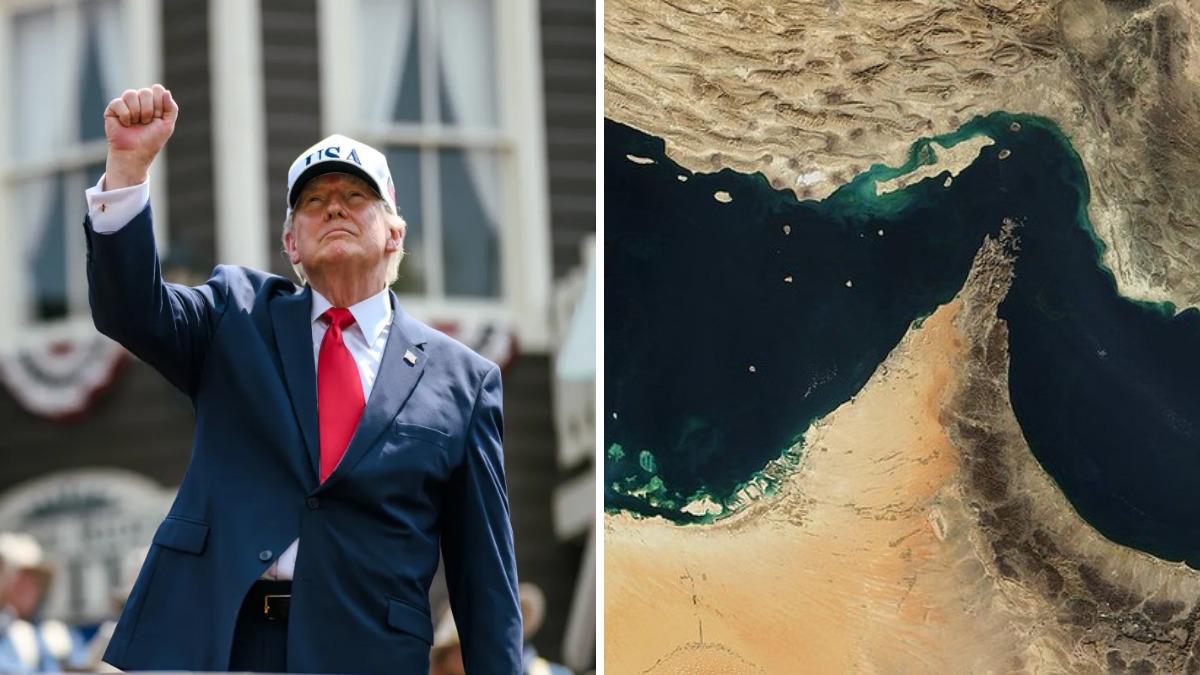
The Strait of Hormuz, a key waterway through which over 20 percent of the world’s daily oil demand flows, remains essentially closed to tankers. Adding to tensions, American troops reported captured by Iranian forces has become another flashpoint in the conflict.
Several countries, including Kuwait, the UAE, and reportedly Saudi Arabia, have already cut oil output since the war began. Analysts from Société Générale warned that the longer disruptions continue, the more likely temporary shortages could turn into longer-lasting supply losses.






Published: Mar 10, 2026 11:15 am