



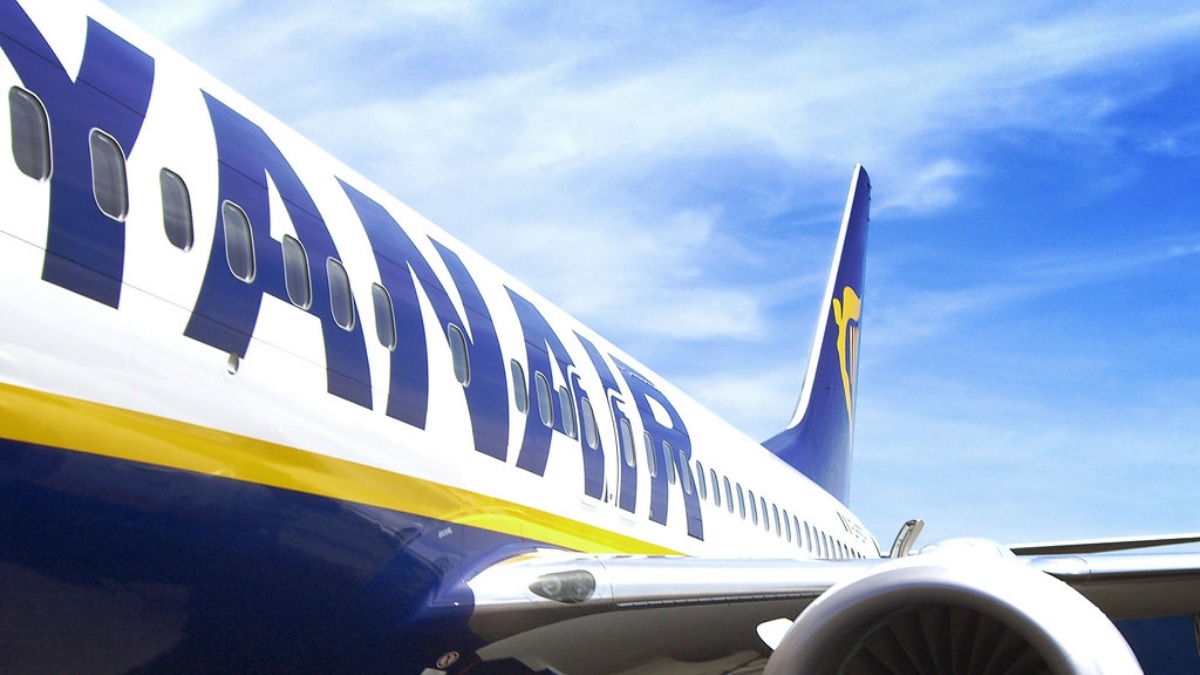

Travelers gearing up for summer getaways are facing a period of uncertainty as events in the Middle East begin to impact the aviation industry. The closure of the Strait of Hormuz, a vital shipping route for oil, has caused supply chain disruptions now hitting the airline sector. With fuel availability under pressure, the potential for flight cancellations or sharp price hikes has become a major concern for holidaymakers heading into peak season.
As detailed by LADbible, Ryanair has offered a candid read of the situation, noting that while no immediate shortages have emerged, its outlook remains cautious. A spokesperson for the airline stated, “We don’t expect any near-term fuel shortages, but the situation is fluid. At present our fuel suppliers can guarantee supply to mid-end May.” The airline also addressed the potential impact of the ongoing conflict directly, saying that if the closure of the Hormuz Strait continues into May or June, it cannot rule out risks to fuel supplies at some European airports.
EU energy commissioner Dan Jorgensen has issued a stark warning on the wider consequences, saying it is “very likely that many people’s holidays will be affected, either by flight cancellations or very, very expensive tickets.” He underscored the physical reality of the constraints: “Even if we do everything we can, if the jet fuel is not there, then it’s not there.”
Airlines are moving fast to manage costs, but passengers are getting different answers
EasyJet has taken a firm position on pricing, confirming it will not introduce fuel surcharges this summer. The airline said no surcharges will apply to any pre-booked easyJet holidays packages or to new bookings for summer 2026, and that it currently sees no disruption to its jet fuel supply. CEO of easyJet holidays Garry Wilson added that the airline wants to give customers “absolute peace of mind” that no additional charges will be applied to flights or package holidays. Consumer pricing protections have been a recurring theme across industries lately, including a Trader Joe’s class-action lawsuit over misleading product labeling that raised similar questions about what customers are actually getting for their money.
Jet2 is taking the same approach, refusing to pass any extra costs on to passengers. CEO Steve Heapy said customers booking with Jet2 can be assured they are “locking in their price without additional cost surprises later,” calling it the right thing to do by holidaymakers.
British Airways parent company IAG is tracking the market closely but has not committed to the same pledge. A spokesperson confirmed the company is not currently seeing fuel supply interruptions but acknowledged that prices have risen sharply, and that its hedging strategy offers only short-term mitigation. IAG is making what it describes as pricing adjustments in response to higher costs. The aviation sector is facing strain on multiple fronts, with Spirit Airlines currently fighting for survival amid its own financial crisis and the Pentagon now involved in a reported $500 million rescue plan.
The UK Department for Transport has urged passengers not to alter their travel plans at this stage. The government noted that UK airlines typically purchase fuel in advance and that airports maintain stocks to ensure resilience, while officials said they are continuing to monitor risks in coordination with the industry. Passengers were also reminded that in the event of a cancellation, clear legal rights remain in place, including the option for a full refund or re-routing.









Published: Apr 27, 2026 07:45 pm