



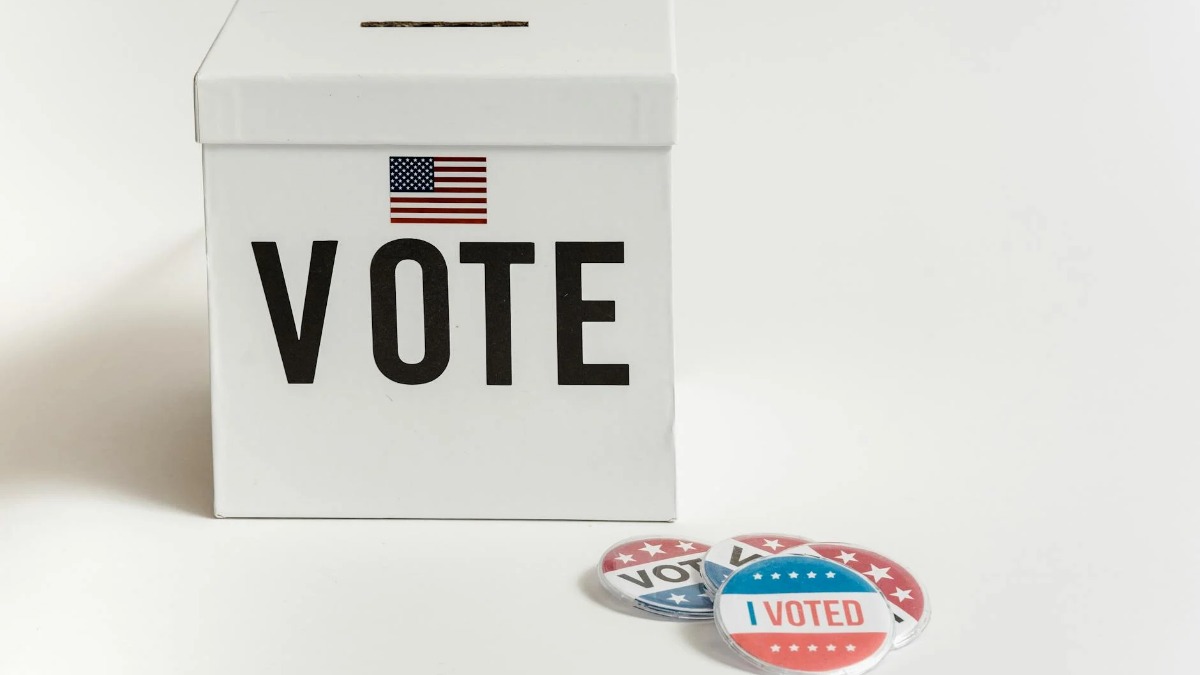

Connecticut Democrats fast-tracked an emergency anti-fraud law requiring bottle redemption centers to collect a copy of a driver’s license when someone cashes in more than 1,000 cans or bottles in a single day. Republicans argue the requirement undercuts the party’s opposition to voter-ID rules, setting off a political dispute that has drawn national attention.
As detailed by Fox News, Senate Bill 299 was introduced by top Democratic leaders in the state legislature in March, passed both chambers in late February, and was signed into law by Governor Ned Lamont on March 3. The push came after the state began losing revenue to non-residents crossing the border to redeem cans at Connecticut’s higher 10-cent return rate, compared to 5 cents offered elsewhere.
Connecticut still does not require residents to present formal identification to vote. Instead, voters must attest under penalty of law that they are a United States citizen.
The bottle law is now being used as a political weapon against Democrats
Both of Connecticut’s senators, Richard Blumenthal and Chris Murphy, recently voted against advancing the SAVE Act, a Republican-backed bill that would require stricter photo-ID for federal elections and proof of citizenship for voter registration. Anna Pingel, Campaign Director for Secure Elections at the America First Policy Institute, said, “Requiring photo ID to collect cash from recycling but opposing photo ID to cast a vote tells you everything you need to know about the hypocrisy of politicians fighting against commonsense legislation like the SAVE Act.”
Senator Blumenthal pushed back on that framing, saying the SAVE Act requires a birth certificate or passport to register to vote, documents he said 21 million Americans do not have. He described the bill not as a voter-ID measure but as a voter purge bill, characterizing its requirements as an effort to remove eligible voters from rolls rather than prevent fraud.
The Senate voted 51-48 earlier this week to begin debate on the SAVE Act, with both Blumenthal and Murphy voting against it. The House passed the bill 218-213 on February 11, but it still faces a 60-vote threshold in the Senate. Democrats have signaled they intend to block it.
In a notable moment during Senate floor debate, Senators Chuck Schumer and Raphael Warnock each acknowledged that non-citizen voting does occur, while arguing its scale is minimal. “The evidence is that almost no illegal aliens vote,” Schumer said.
Warnock cited figures from Georgia, where the Republican Secretary of State found 20 instances of non-citizens registered to vote, with only nine having ever attempted to cast a ballot. Amid the standoff, a separate death in ICE custody in Florida has kept immigration enforcement under scrutiny at the same time the Senate debates citizenship verification at the ballot box.
Republicans argue that lax identity requirements may have already placed an unknown number of non-citizens on voter rolls, while Democrats maintain the proposed requirements would disproportionately burden communities with limited access to documentation. Weekend Senate sessions have been scheduled as the deadlock over the bill continues.





Published: Mar 21, 2026 08:15 am