



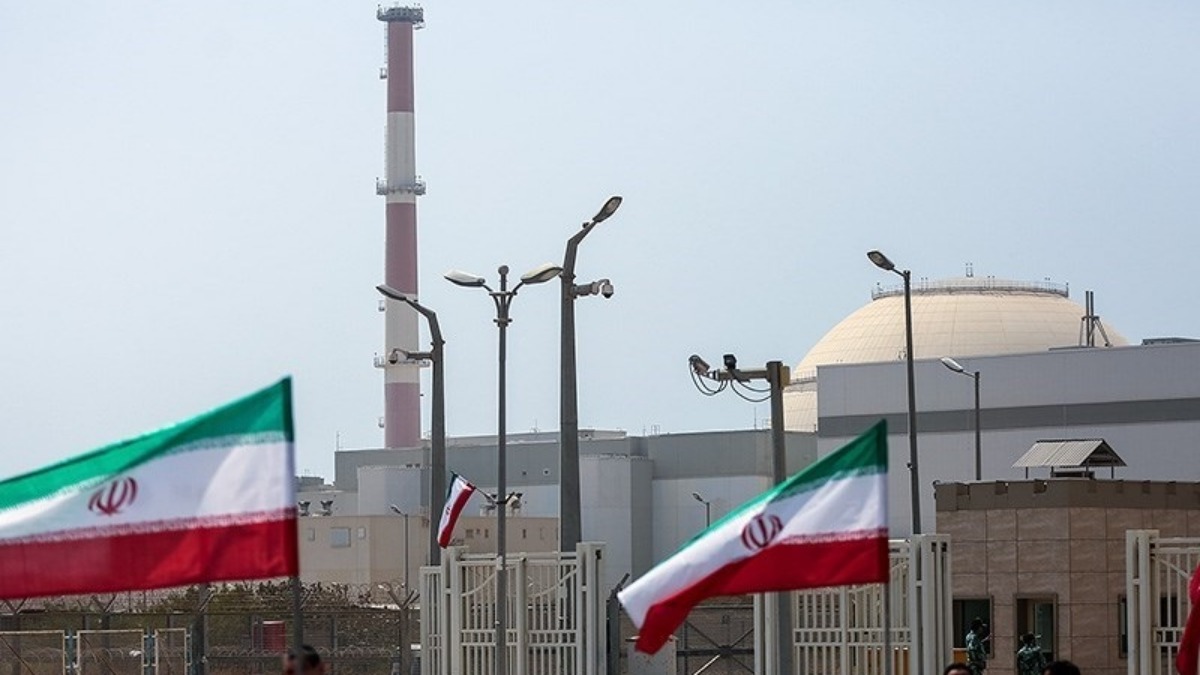

Former National Counterterrorism Center Director Joe Kent has stated that the U.S. intelligence community, including the CIA, had agreed that Iran was not developing a nuclear weapon before the war began. Kent also said that intelligence assessed Iran would target U.S. bases and shut down the Strait of Hormuz if attacked by Israel and the U.S., directly contradicting the Trump administration’s claim that Iran’s nuclear ambitions were a key reason for going to war.
Kent posted on X, writing, “One of the many tragedies of this war is that before the war began the U.S. Intel Community, including CIA, was in agreement that Iran wasn’t developing a nuclear weapon & that Iran would target U.S. bases in the region & shut down the Strait of Hormuz if they were attacked by Israel & the U.S.”
According to Fox News, his statement points to a serious gap between what intelligence agencies reportedly knew and what the administration told the public. Director of National Intelligence Tulsi Gabbard testified before the Senate Intelligence Committee that Iran’s nuclear enrichment program was “obliterated” following the U.S. strikes on Iranian nuclear facilities in June 2025.
Israel’s influence over U.S. decision-making in the Iran war is now under serious scrutiny
Gabbard did not deny Kent’s assessment during her testimony, and her silence on the matter has been interpreted by many observers as a significant detail in itself. Kent has been direct about what he believes pushed the U.S. into the conflict.
“The narrative & agenda spun by a foreign government- Israel, won the argument & forced us into this war,” he wrote. He argues that Israel’s lobbying was a key factor in pulling the U.S. into a war that its own intelligence community had reservations about. Polls show that Israel is rapidly losing American public support as the conflict continues to expand.
This is not the first time Kent has spoken out against the war. In his resignation letter, he stated that Iran posed no imminent threat to the U.S. and that President Trump’s decision to enter the war went against his “America First” pledges. Kent had served in a senior national security role, which makes his resignation and public statements particularly significant and difficult for the administration to ignore.
The Arms Control Association has also stated that U.S. intelligence as of 2025 indicated it may take Iran until 2035 or longer to develop a missile capable of hitting the United States, if it chose to pursue one at all. This further weakens the case that Iran posed an imminent threat to American security at the time the war started.
The gap between that long-range estimate and the administration’s urgent justifications for war has raised eyebrows among foreign policy experts. The White House pushed back on Kent’s statements. Spokesman Davis Ingle told Fox News Digital that Kent’s claims were “lies” and insisted that President Trump acted on strong evidence showing that the Iranian regime posed an imminent threat.
However, the White House did not provide specific details or declassified intelligence to counter the assessments Kent referenced. The question of whether Iran posed an “imminent threat” is legally significant, as that threshold is central to justifying military action under international law. If the U.S. intelligence community had already concluded that Iran was not building a nuclear weapon, it raises real questions about whether the legal and factual basis for the war was solid.
Several legal and policy experts have pointed out that launching military action without meeting this standard could have serious consequences for how the war is viewed internationally. Kent’s account has not been formally denied by any intelligence official so far, and no senior figure from the CIA or any other agency has publicly stepped forward to contradict his version of events.
That silence, combined with Gabbard’s own testimony, continues to fuel debate about what the U.S. government truly knew before the first strikes were launched, reports Al Jazeera. Meanwhile, Israel has faced separate international backlash after seizing aid boats heading to Gaza, drawing widespread global criticism.








Published: May 9, 2026 10:30 am