



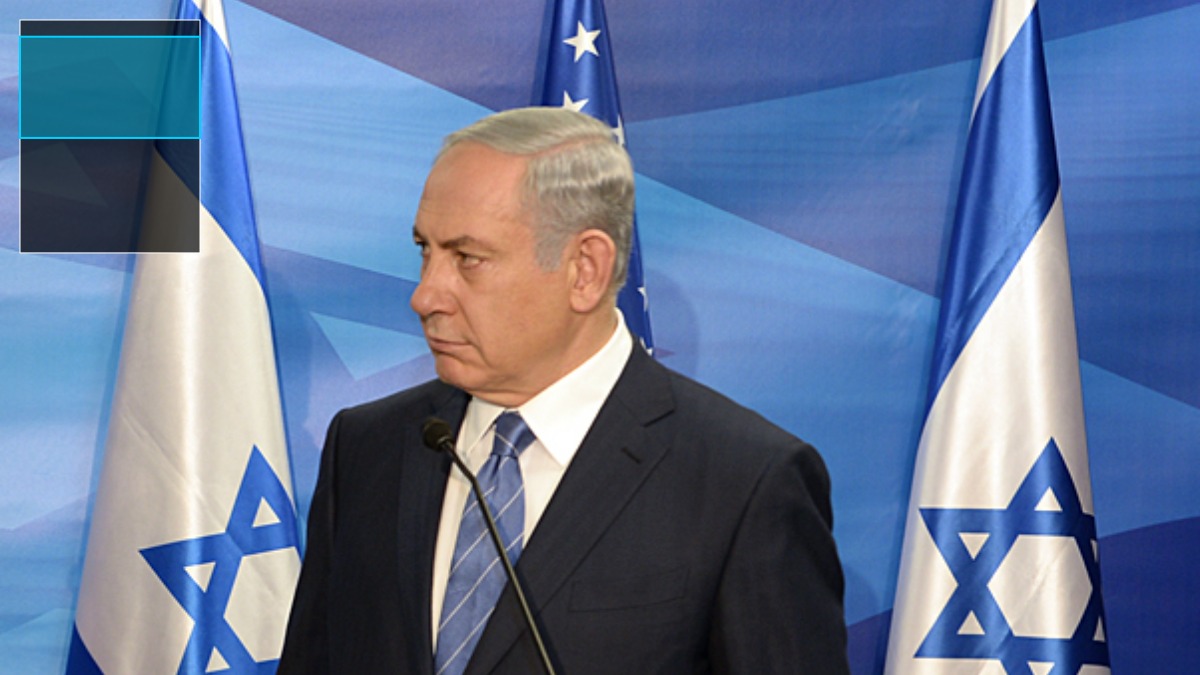

Benjamin Netanyahu has ordered the Israeli military to expand its control to 70% of the Gaza Strip, a move that threatens to dismantle the existing US-brokered ceasefire agreement, The Guardian reported. This directive signals a significant shift from the current status quo, where Israeli forces already occupy 60% of the territory.
Speaking at a conference held in an occupied West Bank settlement, Netanyahu outlined his vision for the region while navigating a period of political uncertainty ahead of upcoming elections. The prime minister stated: “We are currently squeezing Hamas. We now control 60% of the territory in the strip. You know, we were at 50, we moved to 60. My directive is to move to … 70%.”
This planned expansion directly challenges the October ceasefire, which established a demarcation line that initially left Israel in control of 53% of the territory. Since that agreement, Israeli forces have steadily moved westward, creating a buffer zone where they maintain the authority to engage anyone deemed a threat. The shift also appears to contradict the 20-point peace plan introduced by President Donald Trump, which envisioned a temporary division of the strip and explicitly stated that no one would be forced to leave their homes.
Besides the humanitarian crisis, Netanyahu’s disregard for the ceasefire is concerning to critics
Muhammad Shehada, a visiting fellow at the European Council on Foreign Relations, noted the gravity of this policy shift. He said: “Netanyahu is now declaring the whole Trump deal, the framework for Gaza, to be null and void. That’s what it means in a nutshell. There’s no other way to spell it out.”
The humanitarian implications of pushing 2.2 million people into the remaining 30% of the territory are severe. Shehada added: “The conditions there are already appalling. It is the single most overcrowded place on the face of the planet. Every square metre has another displaced family, another makeshift tent, or some sort of improvised shelter on it. So it would be a death sentence for a lot of people who physically have no place to go.”
Recent reports from the United Nations highlight that the encroachment is already underway. In the northern district of Jabalia, tanks have been advancing daily, while drones monitor movement near the ceasefire line. Israeli-backed militias have also taken a more active role in clearing residents from these areas.
Wael Nayef Abu al-Ajeen, a 26-year-old resident living east of Deir al-Balah, described a recent encounter with these groups. He recalled: “It was at around 1pm when armed men affiliated with the militias entered our area. They went to the homes of the Abu al-Ajeen family there and informed them that they had until 10pm to evacuate all the houses in the area.”
Defense Minister Israel Katz commented on Wednesday that the government’s ultimate goal involves what he termed voluntary migration. Human rights activists view this approach as a long-term strategy to make living conditions unsustainable for the local population.
Meanwhile, Israeli analyst Gershon Baskin suggests that the original negotiation framework has effectively collapsed. He expects a shift toward a fallback plan where reconstruction efforts are focused on Israeli-controlled areas, with movement restricted to those who pass security vetting. Baskin said: “At the end of the day, the only people remaining in the yellow zone, according to the Americans, are Hamas and other armed groups. And then Israel will be free to deal with them as they want. This is the thinking, this is the planning, and this is what I see happening in the coming weeks and months.”
As the situation evolves, the Israeli army has directed inquiries regarding the 70% target to the political leadership. With over 900 Palestinians killed since the truce began, the future of the ceasefire remains increasingly uncertain.








Published: May 29, 2026 01:45 pm