



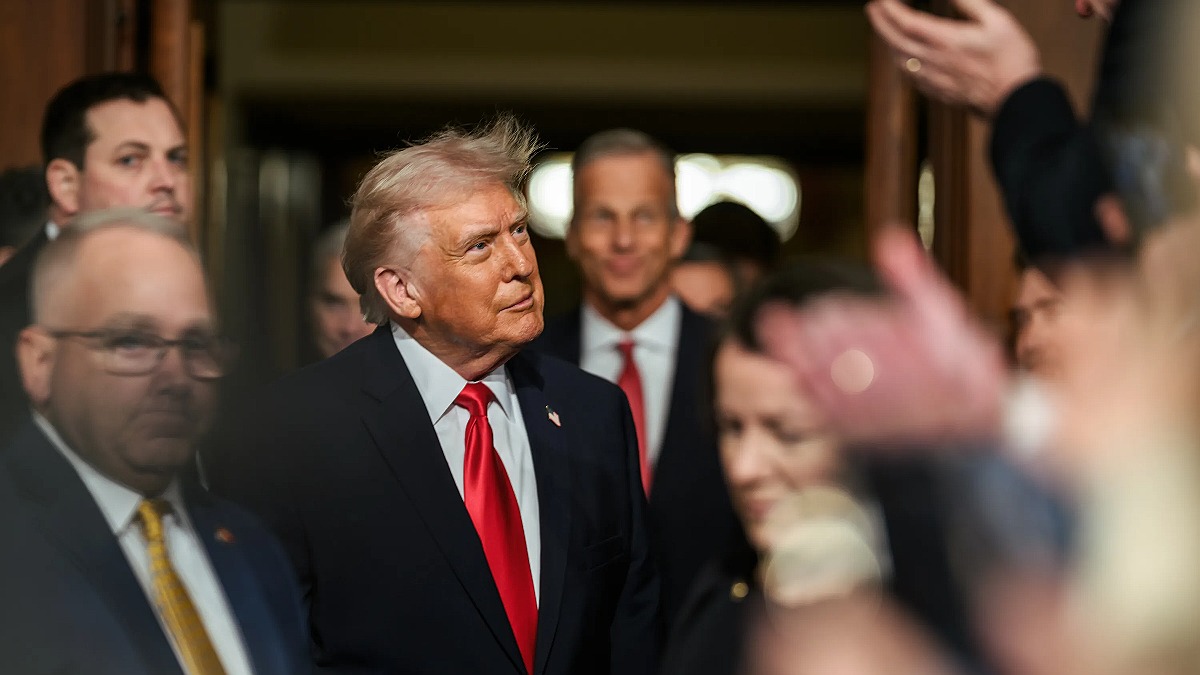

It looks like the controversial $1.776 billion anti-weaponization fund created by the Justice Department is hitting a major legal wall. U.S. District Judge Leonie Brinkema issued an order temporarily blocking the government from moving forward with the disbursement of any money from this fund, The Hill reported.
Judge Brinkema, who serves on the federal bench in Alexandria, Virginia, made it clear that her goal is to keep the status quo intact while the court reviews the situation. She explicitly stated, “It is important that the status quo be maintained until plaintiffs’ pending Motion has been resolved.” Essentially, the judge wants to ensure that no taxpayer money is irreversibly disbursed before she can properly rule on an emergency motion to block the fund entirely. The court has scheduled a hearing for June 12 to dive deeper into this emergency motion.
The legal challenge itself is quite broad, featuring a diverse group of plaintiffs including a former federal prosecutor who worked on January 6, 2021, Capitol riot cases, a California professor who was arrested at an immigration protest, the city of New Haven, Connecticut, the National Abortion Federation, and Common Cause.
This is another instance where Trump has faced a setback from the judiciary
Skye Perryman, the president and CEO of Democracy Forward, which represents the plaintiffs, didn’t hold back in her assessment of the court’s move. She stated, “Today, a federal court recognized the urgent need to prevent taxpayer dollars from being distributed through a secretive and unprecedented political compensation scheme before the legality of that program can be fully reviewed by the court.”
Perryman added that she believes this is a victory for the rule of law and transparency, noting that no administration has the authority to spend public money through a political rewards program that Congress never authorized.
The Department of Justice, however, isn’t backing down. A spokesperson for the department said, “The Department remains extremely confident in the legality of the Anti-Weaponization Fund which is supported by ample precedent, including Obama-era settlements. We will not allow the policy preferences of judges to interfere with our efforts to provide restitution to victims of lawfare.”
This entire situation has created a massive headache for GOP leaders in Washington. The fund was established as part of a settlement in a lawsuit President Trump filed against the IRS, and it has caused a serious rift between the House and the Senate. Senate Majority Leader John Thune and his team had been planning to move a $72 billion immigration package through a process called budget reconciliation, which wouldn’t require any Democratic votes. That plan essentially collapsed after the Justice Department announced the fund, as many Senate Republicans were blindsided by the news.
Senators like Mitch McConnell were quick to voice their frustration, particularly regarding the potential for the fund to compensate individuals involved in the January 6 Capitol riot. McConnell described the fund as, “Utterly stupid, morally wrong — take your pick.” He and other senators were particularly concerned that the administration hadn’t briefed them on the plan, and the tension reached a boiling point during a closed-door meeting with acting Attorney General Todd Blanche.
Contrast that with the House, where the sentiment is quite different. Many House Republicans are viewing the fund as a necessary tool to address what they see as political overreach by federal prosecutors. Speaker Mike Johnson has defended the fund as a way to help all Americans who have been targets of weaponization, though he has remained vague on exactly who would be eligible for payments.
While some moderate House members have expressed reservations, the vast majority of the House GOP conference is much more focused on their frustration with the Senate for failing to pass the immigration package before the recent holiday break.
It’s clear that this is going to be a long road for lawmakers when they return to Washington after the Memorial Day recess. They are already behind on a Trump-imposed June 1 deadline to fund ICE and Border Patrol, and the ongoing legal battle over this $1.776 billion fund is only going to complicate those negotiations further.
Whether the fund survives the court’s scrutiny or ends up being permanently blocked, it has already succeeded in creating a significant amount of friction within the Republican party and across the halls of Congress.







Published: May 29, 2026 02:45 pm