



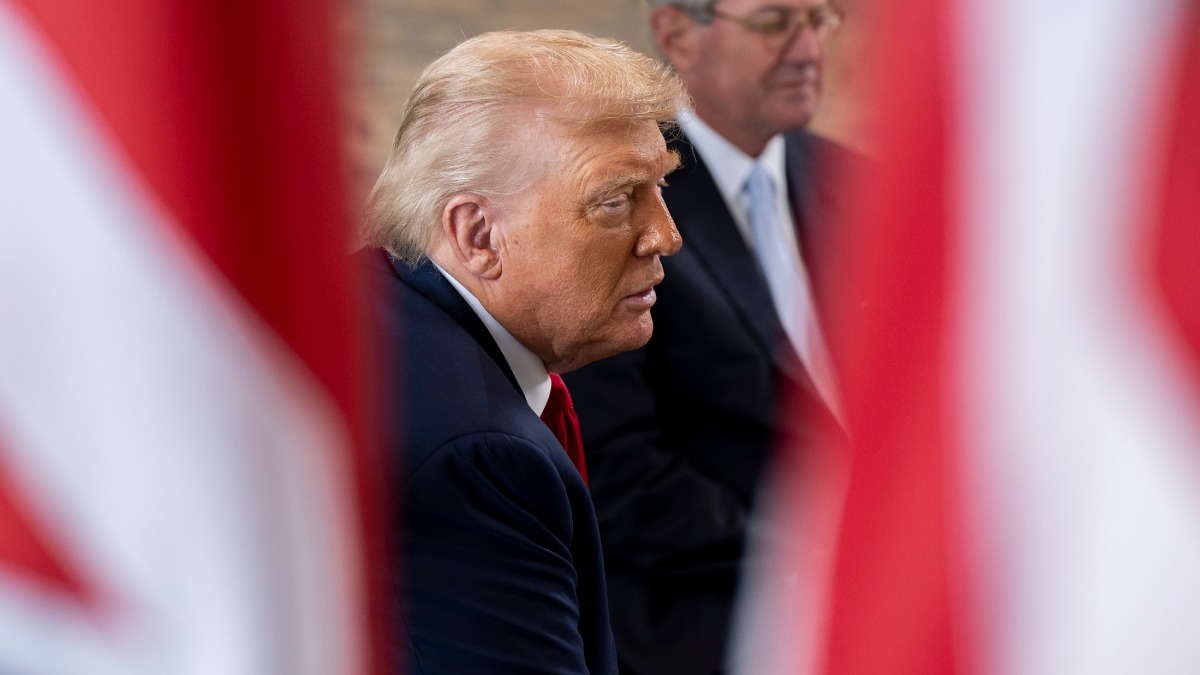

The US-Iran war, which began in February, has dragged on longer than President Trump expected. According to a report by The Atlantic, Trump believed the US military was “unstoppable” after it successfully captured Venezuelan President Nicolás Maduro from Caracas. He thought overthrowing Iran’s Islamic Republic would be just as easy. It was not.
US intelligence has assessed that Iran can endure the ongoing American blockade for at least three to four months. The blockade was imposed after Iran restricted travel through the Strait of Hormuz, a critical waterway through which 20% of the world’s oil passes. The disruption to global oil supplies has sent the national average price of gas surging to $4.55 a gallon as of Friday.
The Atlantic reports that Trump is now “bored” with the war and has found a way to back down each time he has threatened to restart attacks. Despite repeatedly warning of a major new offensive unless a deal is reached soon, the president appears reluctant to resume fighting, and the conflict has settled into a stalemate.
Trump’s fading interest in the Iran war is creating a dangerous diplomatic vacuum at the worst possible time
The US has put forward a proposal for an interim deal to end the conflict. The possibility of even a partial agreement has pushed global stocks to near-record highs, though oil prices have remained unstable, dropping sharply before rising again on Friday. Secretary of State Marco Rubio said Washington is expecting a response from Iran to its interim deal proposal on Friday.
Iranian leaders are divided on how to proceed. Some appear to favor dragging out negotiations until closer to the November midterm elections in the US, when pressure on the Trump administration to settle the war will be much higher, potentially giving Iran a better deal. Reports have also shed light on how Saudi Arabia reacted when Trump launched Project Freedom without informing the kingdom first, a move that forced him to pause the entire operation.
Diplomatic efforts are still ongoing. Pakistan, acting as a mediator, passed Iran a brief memorandum that the US said could serve as a basis for a more solid ceasefire and allow new talks to begin, reports The Guardian. Qatar’s prime minister, Sheikh Mohammed bin Abdulrahman al-Thani, also met with Vice President JD Vance to discuss the Pakistani-led mediation efforts.
During the meeting, al-Thani “stressed the need for all parties to engage with the ongoing mediation efforts, to pave the way for addressing the root causes of the crisis through peaceful means and dialogue, leading to a comprehensive agreement that achieves lasting peace in the region.”
Clashes between the two sides have continued even as diplomats talk. On Thursday, US forces fired on and disabled two Iranian-flagged tankers that attempted to break through the American blockade of Iran’s ports. The US has also imposed sanctions on individuals and companies accused of supporting Iran’s war effort, including those based in China and Hong Kong.
Some commentators have tried spinning the Project Freedom pause as a strategic win for Trump, though the framing has drawn significant pushback. Iran has launched hundreds of missiles and drones at the UAE during the war, frequently striking civilian infrastructure including oil facilities and luxury hotels.
The US blockade, meanwhile, is stopping all Iran-linked shipping trying to leave the Gulf, putting heavy economic pressure on Tehran. With both sides taking losses and no clear resolution in sight, the path forward remains uncertain.









Published: May 9, 2026 12:00 pm