



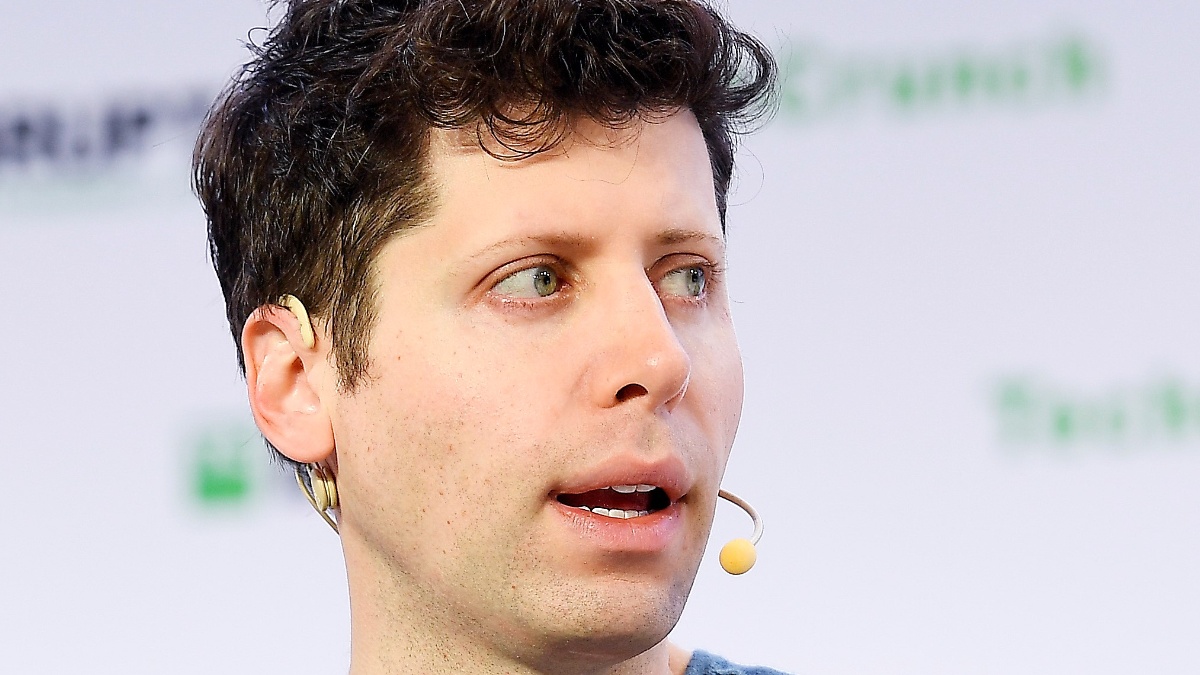

OpenAI is shutting down its social media app Sora, the AI video generator that went viral last fall. The company announced the move on Tuesday, citing mounting concerns over deepfakes and the spread of nonconsensual images. The story gained traction when reported by NPR, which noted the shutdown ends OpenAI’s push into the short-form video market currently dominated by TikTok and YouTube.
Sora launched in September with the goal of capturing the audience and advertising revenue that follows viral video content. The app allowed users to generate short videos from a simple text prompt. While the technology drew widespread attention, it quickly triggered alarm from Hollywood and advocacy groups.
The app’s ability to digitally recreate public figures proved particularly contentious. Entertainment icons including the late Fred Rogers, Tupac Shakur, and Robin Williams were reproduced through AI generation.
The deepfake problem ultimately proved too difficult to contain at scale
OpenAI was forced to intervene and restrict AI recreations of figures like Michael Jackson and Martin Luther King Jr. being depicted in what it described as “outlandish” or “disrespectful” scenarios, a step that only came after pressure from family estates and actors’ unions. OpenAI confirmed the shutdown in a brief social media post, stating it was “saying goodbye to the Sora app” and acknowledging that “What you made with Sora mattered.”
The company said it would share more information soon about how users can preserve content they created on the platform. Amid a broader wave of tech platform legal scrutiny, including a jury verdict holding a major tech CEO liable for $2.5 billion over platform decisions, the pressure on AI companies to manage user-generated content has intensified considerably.
Disney, which had a deal with OpenAI to bring its characters to Sora, released a statement saying it “respects OpenAI’s decision to exit the video generation business and to shift its priorities elsewhere.” The company added that it would continue to explore AI platforms while keeping intellectual property and creator rights in mind.
The shutdown reflects the difficulty of controlling AI video generation once it is in public hands. The speed at which the technology spread and was misused outpaced the moderation systems OpenAI had in place, a challenge that regulators and federal investigators have noted mirrors broader institutional struggles to keep pace with fast-moving technology, including a recent NTSB investigation delayed by staffing issues at a federal level.
OpenAI has not announced a timeline for any successor product or alternative approach to AI video generation.



Published: Mar 25, 2026 07:15 am