



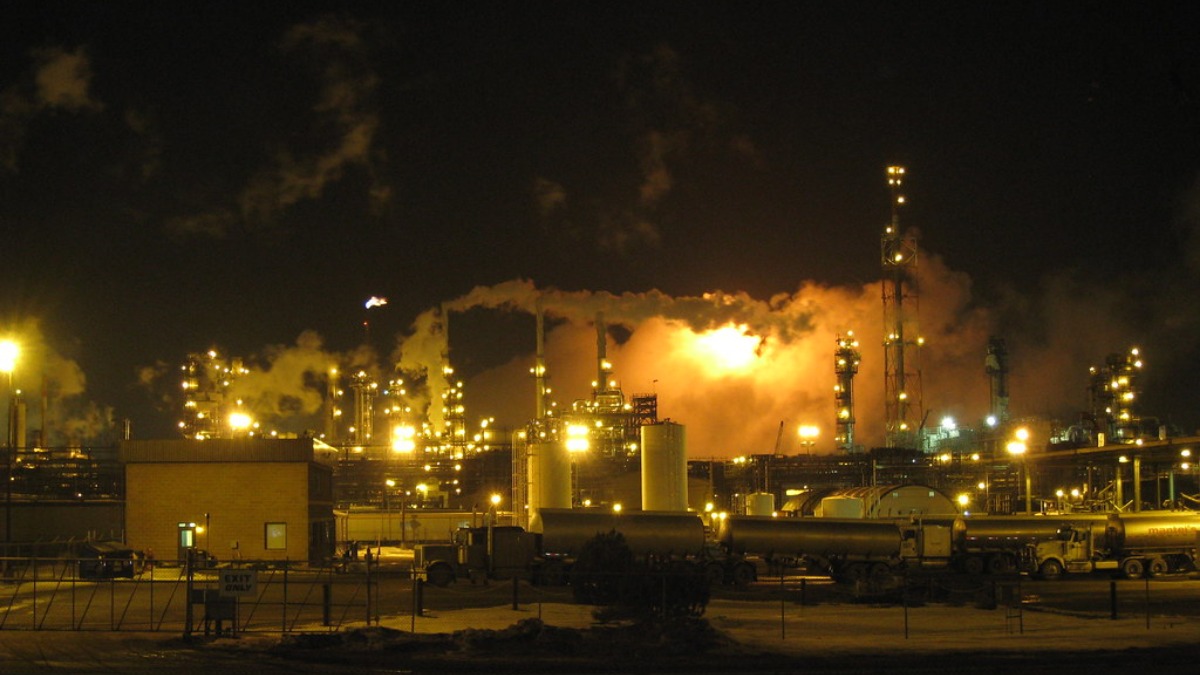

A massive fire broke out at one of Australia’s two oil refineries in the early hours of Thursday, sending emergency crews to Viva Energy’s Corio facility in Geelong, southwest of Melbourne, just before midnight Wednesday. As detailed by BBC News and SBS, reports of explosions and towering flames prompted multiple emergency calls overnight. All 50 to 100 workers on site were evacuated safely, with no injuries reported.
Fire Rescue Victoria (FRV) assistant chief fire officer Michael McGuinness said Thursday morning the fire remained uncontrolled, describing it as “quite a dangerous fire” due to the highly flammable materials involved. He added that FRV had responded to multiple calls reporting explosions overnight and expected to be battling the blaze until at least Thursday afternoon. Warnings about air quality were issued for surrounding areas.
Australia’s Energy Minister, Chris Bowen, acknowledged the fire was “not great timing,” given that fuel supplies have been under severe pressure since Iran effectively closed the Strait of Hormuz at the end of February following a military strike by the United States and Israel. The Corio refinery produces approximately 120,000 barrels of oil per day, accounting for 50 percent of Victoria’s fuel and 10 percent of the nation’s total supply.
The fire is a serious hit to an already fragile fuel situation
The refinery remained partially operational following the blaze, continuing to produce jet fuel and diesel at reduced levels as a precaution. Viva Energy chief executive Scott Wyatt confirmed that petrol would be “one of the products that are potentially impacted,” with two petrol production units affected, though others remained undamaged.
Wyatt said the immediate priority was “getting the site safe,” adding that production would only increase “once we’re confident we can do that safely.” He described the fire as “disappointing on so many levels” but expressed confidence that overseas supplies of refined fuels could compensate for any domestic shortfall. He also clarified that the plant’s age or safety oversights were not contributing factors.
The incident compounds an already difficult market. Diesel prices in Australia have roughly doubled in recent weeks, with fuel stations reporting shortages and some signs of panic buying. Airlines have also begun cutting services as jet fuel costs climb. Refinery manager Bill Patterson said the fire originated in the “mogas” aviation sector, which converts LPG gases into a gasoline component used in blending petrol. He confirmed that production had been increased in recent weeks in response to the conflict in the Middle East, and that pushed-back maintenance in a separate diesel section was not a factor in the fire.
Geelong Mayor Stretch Kontelj called the fire “unprecedented,” saying it had been a “huge shock” to management and that emergency units could do little more than monitor it and allow it to burn out naturally. Fire Rescue Victoria confirmed that precautions had been taken to prevent contaminants from entering nearby waterways or the bay. The broader fuel crunch has its roots in the ongoing Hormuz standoff, which has kept global oil supplies severely disrupted for weeks.
Australia imports around 80 percent of its refined fuel, with the remaining 20 percent processed domestically at facilities in Geelong and Lytton, Queensland. In response to surging prices, Prime Minister Anthony Albanese announced last month that the excise on fuel and diesel would be halved, and he has been engaging with Southeast Asian leaders to shore up supply. Following recent collapsed US-Iran negotiations over the Strait, Singaporean Prime Minister Lawrence Wong pledged not to restrict fuel exports to Australia.
Energy Minister Bowen urged Australians not to purchase more fuel than necessary following the fire and confirmed an investigation into its cause would be launched. At this early stage, he said, it “appears to be an accident.”
Australia, Strait of Hormuz, Iran,







Published: Apr 15, 2026 08:30 pm