



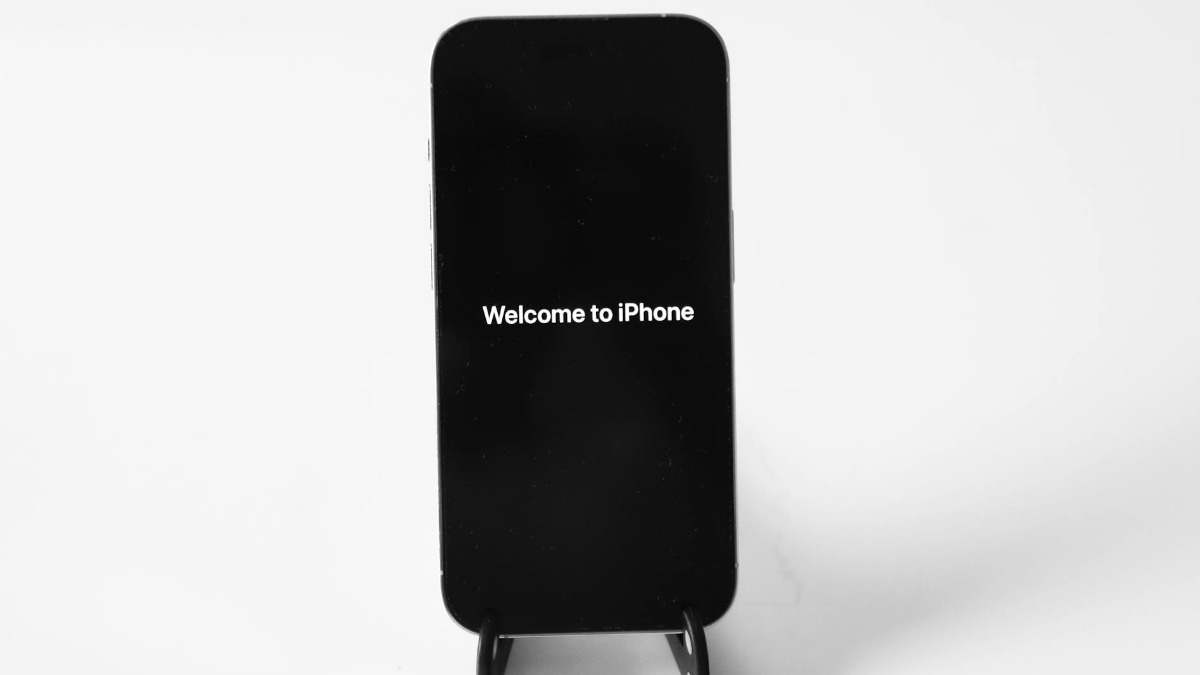

Apple’s rumored iPhone Fold is already shaking up the smartphone market, prompting rival manufacturers to rethink their foldable designs before the device officially launches. A sudden rush of wide foldable phones from several Android brands signals a clear shift in consumer and industry preference. As detailed by Forbes, Apple is effectively standardizing a new widescreen foldable form factor, something earlier devices from Google, Microsoft, and Oppo couldn’t quite achieve on their own.
For years, foldable phones, especially the Samsung Galaxy Z Fold series, largely stuck to a tall and narrow design. The rumored wider, shorter 4:3 aspect ratio is now becoming the industry standard. This design choice is meant to deliver a better video consumption experience, with a wider screen reducing letterboxing and allowing more of the display to be used for content.
The timing is hard to ignore. Samsung has released seven generations of foldable phones, yet it is only now, in the same year the iPhone Fold is expected, that the company is switching up the design. Huawei was also quick to move, announcing its new Pura X Max, the company’s first widescreen foldable phone.
Android rivals already have an edge Apple can’t easily close
Samsung is set to release its Galaxy Z Fold 8 Wide this summer, with a rumored 8.1-inch internal display and a 6.5-inch cover screen. Leaked CAD images show a completely revamped shape despite display sizes that aren’t drastically different from the Galaxy Z Fold 7’s. The Google Pixel 11 Pro is also expected to adopt a wider design, with the Motorola Razr Fold and Honor Magic V6 also launching this year.
Global foldable shipments grew 14 percent year-over-year in the third quarter of 2025, hitting an all-time quarterly record, per BGR. Book-shaped foldables offer multi-tasking across several apps side-by-side, new camera tools, and tent mode for media consumption. Apple entering the market is expected to boost the entire category.
The iPhone Fold is already looking like it won’t beat its rivals in the battery department. Devices like the Huawei Pura X Max, Motorola Razr Fold, and Honor Magic V6 are all set to use silicon-carbon batteries, which replace traditional graphite anodes with silicon-carbon composites. This change allows for up to 20 percent higher energy density without increasing the battery’s physical size.
The effect on battery life is substantial. Phones using silicon-carbon battery technology, such as the Oppo Find X9 Pro, have recorded over 10 hours of screen-on time under heavy use. That is roughly three to four hours more than a standard lithium-ion device, and the gap matters especially in foldables whose large displays drain power quickly. A foldable phone must also remain slim enough to fit in a pocket, leaving limited room for traditional lithium-ion cells, making silicon-carbon a practical fit. Amid broader questions about how component costs are affecting consumer hardware, RAM prices and AI-driven shortages have already complicated device pricing across the industry.
Honor unveiled the first commercial silicon-carbon battery in the Honor Magic Pro 5 at MWC 2023, offering 12.8 percent higher energy density. The OnePlus 15, launched in late October 2025 in China and now available in the U.S., features a 7,300 mAh silicon-carbon battery with claimed 31 hours of video playback and two-day endurance. The mid-range Realme P4 Power goes further still, with a 10,001 mAh battery that Realme attributes to third-generation silicon-carbon technology, claiming 32.5 hours of YouTube playback and over 185 hours of internet browsing.
Historical concerns about silicon-carbon batteries include swelling and shorter lifecycles, though manufacturers have addressed these with flexible coatings that hold the silicon in place as it expands and contracts. Samsung has stated it is testing silicon-carbon safety but has not fully adopted the technology, and Apple is expected to take a similarly cautious approach with a first-generation foldable device. Long-term battery durability has become a broader conversation in the EV space as well, with real-world testing of aging lithium battery performance showing results that have surprised skeptics on both ends.
The Honor Magic V6, announced at MWC 2026, ships with a 7,150 mAh silicon-carbon battery in China and a 6,660 mAh version for global markets. The Xiaomi 17 Ultra packs a 6,000 mAh silicon-carbon cell with 1.5 days of claimed use. These companies hold a clear competitive advantage in battery capacity at the exact moment foldables are going mainstream, and Samsung and Apple have yet to close that gap.









Published: Apr 19, 2026 08:00 pm