





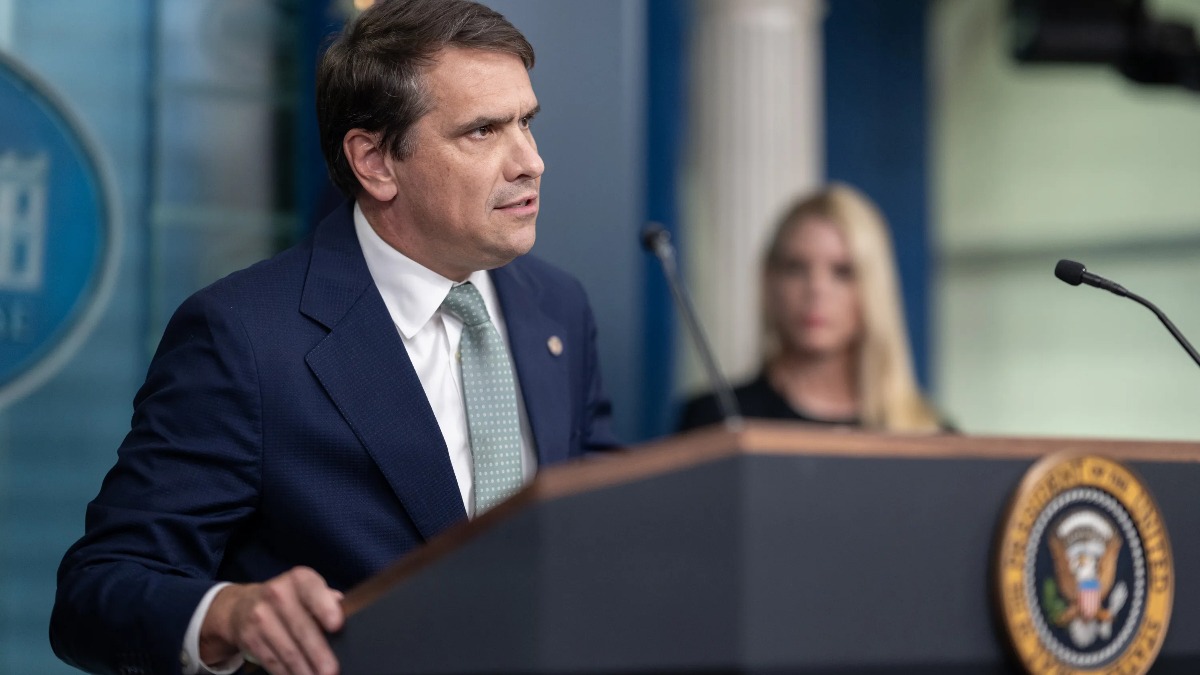
Florida prosecutors are expanding their investigation into OpenAI after it was revealed that ChatGPT allegedly gave specific guidance to the gunman behind the mass shooting at Florida State University. State Attorney General James Uthmeier announced that his office is issuing subpoenas to the company as part of a probe into the role the AI tool played in the attack.
The alleged shooter, 20-year-old Phoenix Ikner, was a student at the university when he opened fire on April 17, 2025. The shooting killed two people, Robert Morales and Tiru Chabba, and left six others injured. According to The Daily Mail, Uthmeier says the investigation centers on the advice ChatGPT allegedly gave to Ikner before the attack.
The attorney general stated that Ikner consulted the chatbot about choosing a firearm, specific questions about ammunition, and whether certain weapons would be effective at short range. Uthmeier also noted that the tool provided information about the largest concentration of people on campus and the best time to carry out the attack.
OpenAI denies blame, but Florida’s attorney general is pushing for criminal accountability
Attorneys representing the family of Robert Morales have also signaled their intent to take legal action. Ryan Hobbs, who represents the family, stated that they have reason to believe the shooter was in constant communication with ChatGPT and received advice on how to commit the crimes, and that they intend to file suit against OpenAI soon.
OpenAI has formally responded to these allegations, maintaining that it is not responsible for the tragedy. The company stated that ChatGPT is not to blame for the crime and argued that the chatbot only provided factual responses to questions using information that is broadly available through public sources on the internet. OpenAI insisted that it did not promote or encourage illegal or harmful activity.
The legal scrutiny does not stop at the details of the shooting. Uthmeier indicated that his office is pursuing both criminal and civil investigations into OpenAI, also looking into broader concerns such as the presence of child sex abuse material and the potential encouragement of self-harm through the platform.
He stated that his office intends to look into who designed the systems and what those individuals knew about the potential for dangerous behavior. Meanwhile, OpenAI has separately been making headlines for other reasons, as users cancelling subscriptions over a co-founder’s donation has added to the growing pressure on the company.
Uthmeier emphasized that being a software company does not grant OpenAI immunity from legal consequences and that if it becomes clear the company prioritized profits while knowing the risks of such events, those involved must be held accountable. As part of the investigation, the attorney general has ordered the company to produce records regarding its training materials and internal policies concerning users who threaten harm to themselves or others.
This situation adds to a growing list of legal challenges facing AI companies. In a separate case filed in a California court, OpenAI and its largest financial backer, Microsoft, have been sued over claims that ChatGPT contributed to a murder-suicide.
That lawsuit alleges that the chatbot fueled the delusions of 56-year-old Stein-Erik Soelberg, who eventually murdered his mother, Suzanne Adams, in August, and that the chatbot validated paranoid beliefs and reframed family members as threats.
OpenAI is currently fighting several other lawsuits, including claims that its tools have driven individuals toward suicide or harmful delusions. In response, a spokesperson for the company previously stated that OpenAI is working to improve its training to recognize and respond to signs of mental or emotional distress, with the goal of de-escalating conversations and guiding users toward real-world support.
It is worth noting that AI development is moving fast on multiple fronts, with Nvidia’s new AI model for autonomous vehicles showing just how quickly the technology is expanding into new areas. As for the Florida case, Phoenix Ikner remains in jail awaiting trial, currently facing several charges including murder and attempted murder.






Published: Apr 22, 2026 01:45 pm