



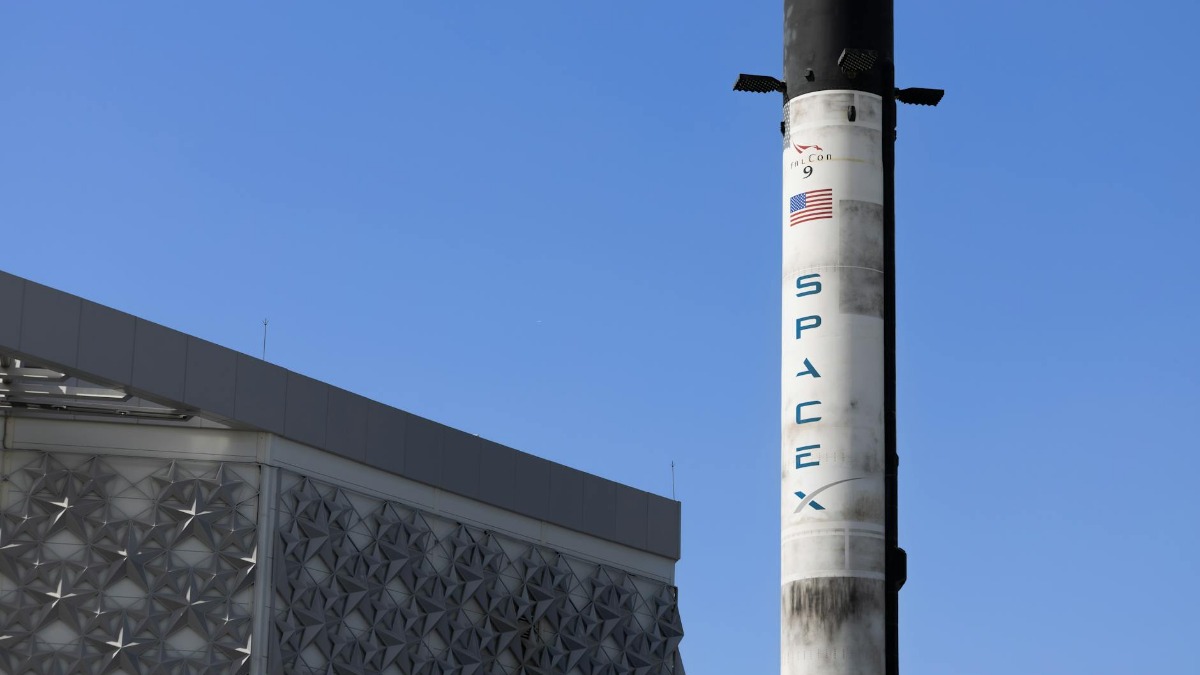

Eighty residents of South Texas have filed a lawsuit in federal court against SpaceX, saying the company’s rocket launches have caused serious damage to their homes. They accuse SpaceX of gross negligence and trespassing, claiming that sonic booms from the launches have shattered glass and damaged walls, windows, and roofs.
According to The Independent, the lawsuit points to 11 rocket tests between April 2023 and October 2025 as evidence. During these tests, SpaceX launched and returned rockets, which sometimes created long periods of damaging noise for people living nearby.
A sonic boom is a wave created when an object moves faster than the speed of sound. According to the U.S. Air Force, strong sonic booms can cause damage like shattered glass, and that is exactly the kind of damage the residents say has been done to their properties. They are seeking an unspecified amount of money in compensation.
SpaceX’s growing presence in South Texas has come with real costs for the people living there
In 2025, the Federal Aviation Administration (FAA) gave SpaceX permission to launch up to 25 rockets per year from South Texas, five times more than the year before. This dramatic increase in launch frequency has raised serious concerns among locals who say they were not adequately warned about what the expansion would mean for their daily lives.
The increased launch activity has also led to the closure of an eight-mile stretch of beach near the launch pad, which sparked a separate lawsuit over how often the area can be closed to the public. For many residents, the beach closures are not just an inconvenience; they represent a loss of access to public land that their communities have used for generations.
SpaceX has grown significantly in the South Texas region in recent years. In May 2025, company employees founded the city of Starbase, Texas. But that growth has brought real problems for people already living in the surrounding area, who say they are bearing the heaviest burden of the company’s expansion.
A U.S. district court judge separately rejected a lawsuit from conservation groups that had challenged the FAA’s approval of SpaceX’s expanded launch operations next to a national wildlife refuge in South Texas. Those groups had argued that noise, light pollution, construction, and road traffic were harming the area, which is home to endangered animals like ocelots and jaguarundis.
The judge’s ruling was a setback for those who had hoped the courts would put limits on SpaceX’s activity in the region. Environmental groups have also criticized the FAA’s decision to allow more launches, saying SpaceX did not carry out a thorough enough environmental review before being granted expanded permissions, reports The Guardian.
Scientists have raised broader concerns too, warning that SpaceX’s satellite launches threaten the atmosphere and the night sky in ways that go well beyond South Texas. That earlier legal challenge focused specifically on the first-ever launch of SpaceX’s large Starship rocket in Texas in April 2023. The 80 residents’ lawsuit is a clear sign that SpaceX’s rapid expansion is creating serious friction with the communities around its South Texas launch site.
The residents are not opposing space exploration outright, they are asking that the company be held responsible for the damage its activities have caused to private property. While SpaceX continues to grow its operations, the people living nearby are dealing with cracked walls, broken windows, and a quality of life that they say has gotten noticeably worse.
They are now taking that fight to court, and the outcome of this case could set an important precedent for how rocket companies are allowed to operate near residential areas in the future. Separately, Elon Musk’s team has been involved in efforts to overhaul the FAA’s air traffic control system, adding another layer of controversy around the company’s relationship with federal regulators.





Published: May 4, 2026 11:00 am