



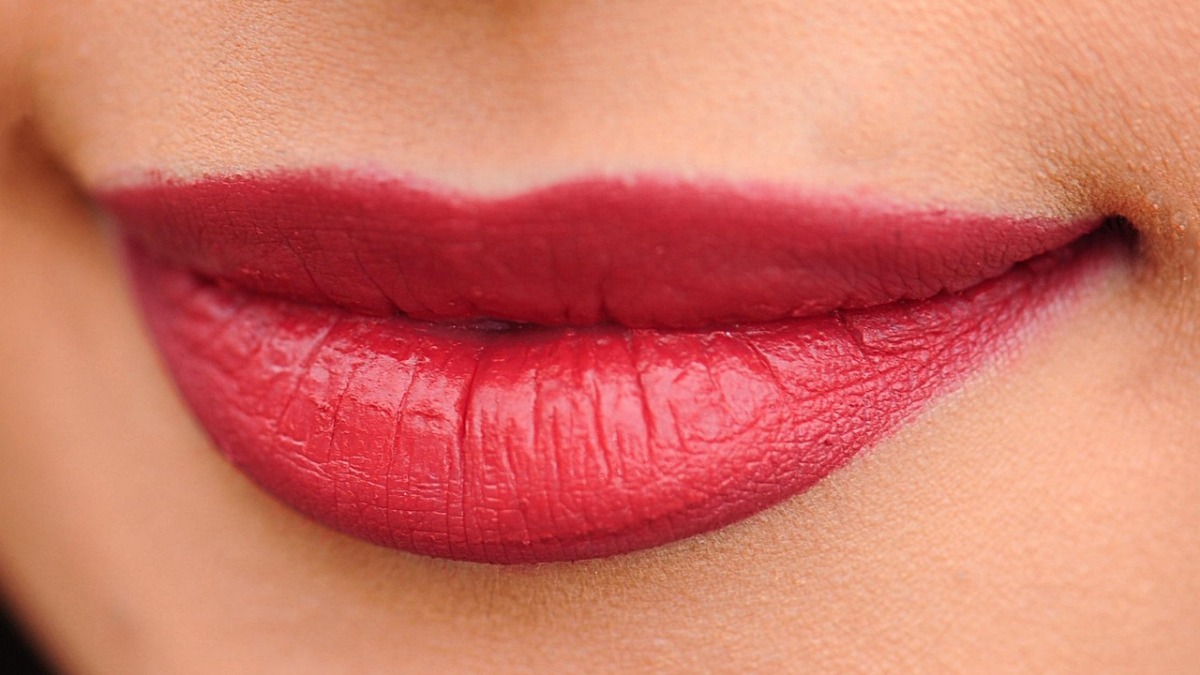

An experiment involving identical twins has put the real-world impact of facial fillers to the test, and the results were considerably more understated than expected. As detailed by LADbible, pairs of twins ranging in age from 33 to 63 took part in a study to determine whether fillers produce a meaningful visible difference. In each pair, one sibling received Restylane filler injections provided by Swiss pharmaceutical company Galderma, while the other received no treatment.
When journalists were invited to inspect the twins up close, they noted that the treated siblings appeared healthier and slightly younger, but still entirely natural. The results pointed to how modern non-surgical procedures are designed to produce a refreshed look rather than a dramatic overhaul. Participants included musician James Martin, 37, former beauty queens Gay and Zoe Spink, 63, and sisters Diana and Sandra Horner, 46.
Feedback from participants was broadly positive. Sandra Horner said her skin felt great and that people kept commenting on how well she looked. Her sister Diana expressed similar satisfaction, while James Martin compared the experience to getting a haircut. Zoe Spink said the process was a positive one for her and her sister, particularly following the recent loss of their mother, adding that seeing Gay look happy and healthy was something she felt their mother would have been proud of.
Fillers have become surprisingly routine for younger people
The study was part of Galderma’s broader Proof in Real Life campaign for Restylane, which previously featured actor Sharon Stone as a global ambassador in 2015. Stone has spoken openly about beginning filler treatments after suffering a stroke in 2001, saying the injections helped rebuild damage in her face and allowed her to feel like herself again. She has also had treatment in her hands, noting that people often judge a woman’s age by them.
Non-surgical procedures have grown substantially more common, particularly among younger demographics. Data from Save Face shows that roughly one in five people aged 18 to 25 in the UK have had dermal fillers or Botox, and polls indicate that 59 percent of young people view these treatments as comparable to a haircut or manicure. The phenomenon has been linked to the rise of what is often called Instagram Face, a beauty standard shaped heavily by social media filters, amid a broader surge in influencer filter controversies that have put digital appearance manipulation under the spotlight.
Ashton Collins, co-director of Save Face, has raised concerns about how routine the attitude toward these procedures has become. The organization receives a significant volume of complaints, with nearly 50 percent coming from individuals aged 18 to 24. That demographic is also the subject of separate attention in the UK, where unclaimed savings for young Britons have drawn focus to financial awareness gaps among that same age group.
Experts have also flagged risks tied to procedures performed in non-clinical settings such as gyms, leisure centers, or private homes. Professor Ash Mosahebi, a plastic surgeon with the British Association of Aesthetic Plastic Surgeons, has warned that teenagers’ facial structures are still developing and that allowing them access to facial fillers is ethically problematic, as the injections could interfere with natural growth.





Published: May 6, 2026 07:00 pm