



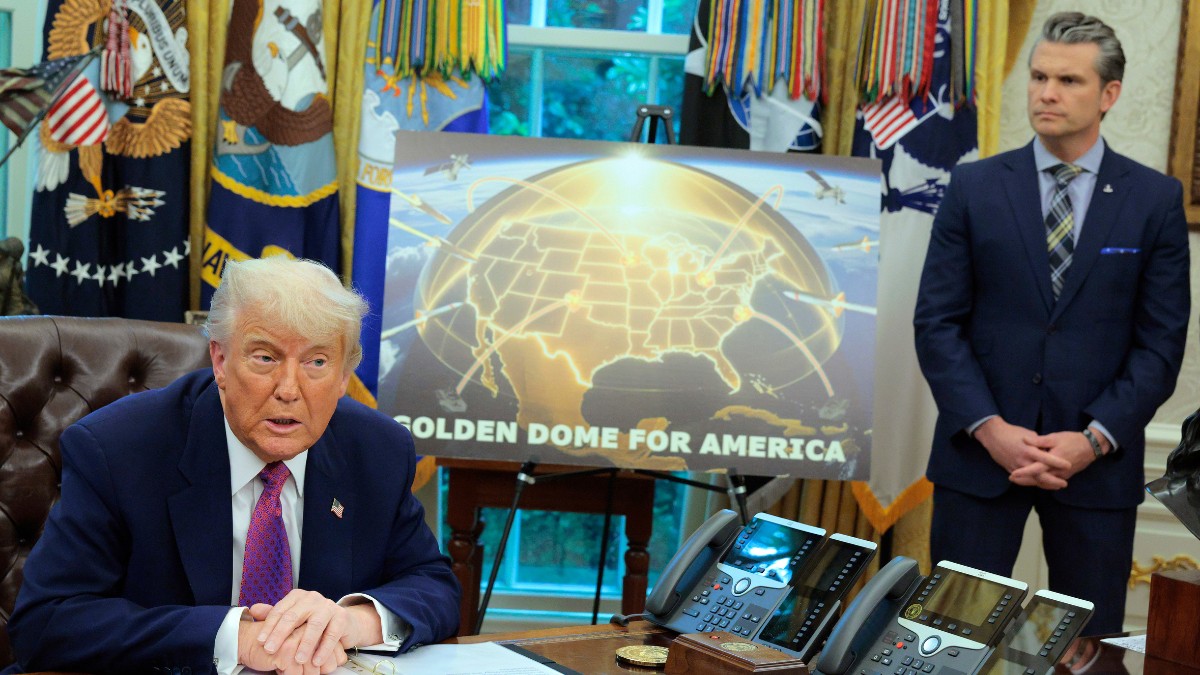

President Donald Trump’s domestic policy package currently under consideration in the House reveals the deep tensions within the Republican Party as it attempts to balance traditional conservative economics with populist appeals to its evolving voter base. The legislation demonstrates how the GOP continues to prioritize tax benefits for higher earners while making symbolic gestures toward working-class supporters who helped propel Trump back to the White House.
The comprehensive bill includes populist elements such as increases to the child tax credit, the establishment of $1,000 savings accounts for children, and tax exemptions on tips that Trump promised during his campaign. However, analysis by the Congressional Budget Office and the Penn Wharton Budget Model shows that the top 10 percent of American earners would receive 65 percent of the bill’s benefits, while the lowest 10 percent would experience a net loss of resources.
This distribution reflects the ongoing struggle between accommodating traditional Republican donors and business interests while appealing to blue-collar workers who helped propel Trump back to the White House. According to Politico, the confusion about party identity has reached policy professionals, with one former Trump administration official asking: “What does it even mean to be a conservative right now?”
Republicans struggle with identity as Trump reshapes party priorities
The internal divisions have created what policy experts describe as a schizophrenic approach to legislation. Traditional conservatives want deeper tax cuts beyond the extension of 2017 reductions, while fiscal hawks threaten to derail the bill over concerns about deficit spending and insufficient cuts to Medicaid. The healthcare provisions could result in approximately 8 million low-income Americans losing their insurance coverage.
Trump’s recent policy positions would have been considered heretical by previous Republican standards. His executive order potentially implementing pharmaceutical price controls and his demand that Walmart absorb tariff costs rather than passing them to consumers represent significant departures from free-market orthodoxy. These actions highlight the transformation occurring within conservative ranks as the party grapples with maintaining traditional economic principles while embracing Trump’s nationalist economic agenda.
The confusion extends to policy professionals within conservative circles. A former Trump administration official captured the uncertainty by asking what it even means to be a conservative right now, noting that established conservative policy positions are being rewritten for political advantage. This fundamental questioning of party identity reflects the broader challenge Republicans face in maintaining coalition unity between Wall Street donors, suburban middle-class voters, and working-class supporters across different industries and regions.






Published: May 22, 2025 06:18 am