



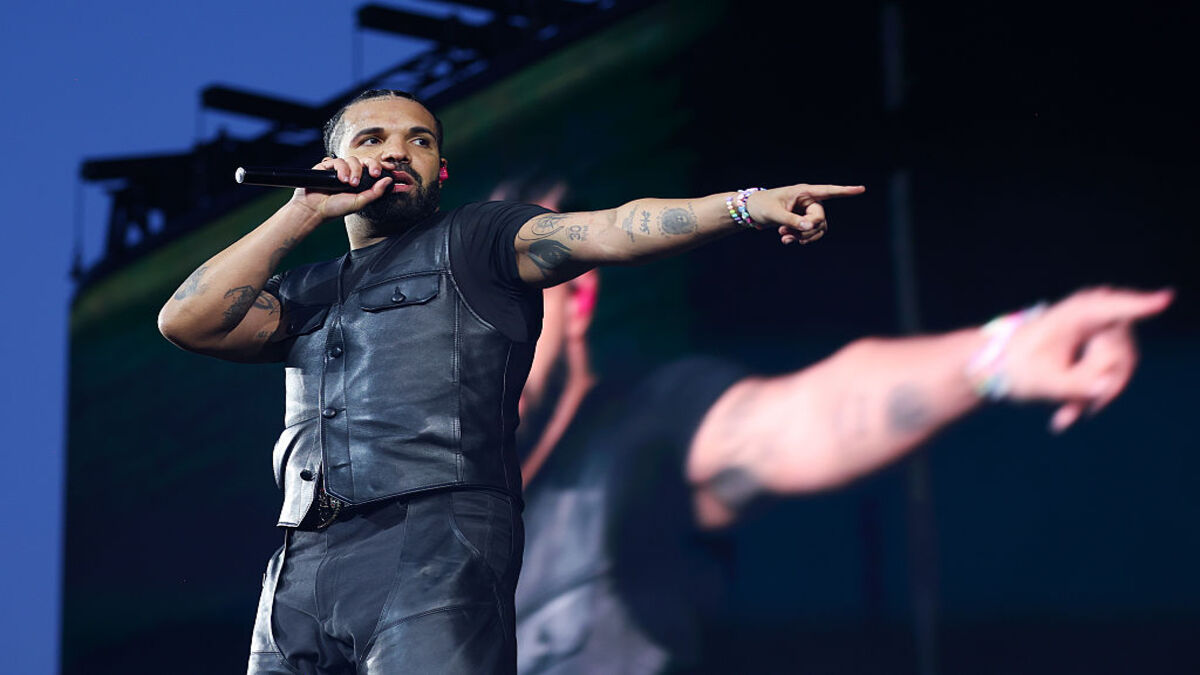

A federal judge has thrown out the defamation lawsuit that the musician Drake filed against his record label, Universal Music Group, which is often called UMG. The lawsuit was about a song made by another artist, Kendrick Lamar, called Not Like Us, which is a track that insults Drake. The judge, District Judge Jeannette Vargas, decided that the words in the song, including Lamar’s statement that Drake was a “certified pedophile,” were the artist’s own opinions and not statements of actual fact. Because of this, the accusations in the song could not be used as the foundation for a defamation case.
As per CNN, The lawsuit was first started in January, and it focused on how Universal Music Group promoted and published the song. It is important to know that Drake’s own specific label, Republic Records, is actually a part of the larger company UMG. At the same time, Kendrick Lamar is signed to Interscope Records, which is another division within the UMG company. The lawsuit was in the fact-finding stage, where both sides gather information, before the judge decided to dismiss the case on Thursday.
A person who speaks for Drake said that his team plans to challenge the judge’s ruling by taking it to a higher court. They hope that the Court of Appeals will look at the decision again and possibly change it. At the same time, Universal Music Group expressed that it was happy with the dismissal. The company called the lawsuit a waste of time and “frivolous,” and it repeated its promise to stand behind the creative expression of artists.
The Larger Situation Of Insult Songs In Rap Music
Judge Vargas pointed out that the larger situation of a rap feud played a role in her decision. In her ruling, which was thirty-eight pages long, she looked at the words from the whole series of songs that both Drake and Lamar released during their back-and-forth argument. This feud included insults that became more and more personal and were not proven to be true. The judge came to the conclusion that an ordinary person listening to the music would not think that an insult track, or “diss track,” was providing information that was checked for facts or that could be proven true.
Judge Vargas wrote that the larger situation of a heated rap battle, which uses very strong language and offensive accusations that are thrown by both people involved, would not make a reasonable listener think that the song Not Like Us was sharing verifiable facts about Drake. The judge also said the song was “offensive” but that it was protected under the right to free expression. She made a clear point about the difference between a person’s opinion and a statement of fact in music and other artistic works.
The ruling helps to make clear the legal protections that exist for artists in situations where things they say or lyrics they write are part of entertainment or a performance. Legal experts and music industry experts note that diss tracks, which have been a long-standing part of rap culture, often use exaggeration, insults, and language meant to provoke a reaction. This language is intended to entertain the audience, not to give them truthful information. The decision highlights how hard it is to win a defamation case when it is based on this kind of artistic expression.
The song Not Like Us won several Grammy awards earlier this year and was also part of Kendrick Lamar’s performance during the Super Bowl halftime show in February. The song being played in such important and widely seen places added to the ongoing conversation about its lyrics and about the feud between the two artists. Even though the lawsuit was thrown out, the song is still getting a lot of attention from music critics and continues to be successful in terms of sales and streams.
Drake’s legal approach of filing the lawsuit against UMG, instead of against Lamar directly, made some commentators wonder about who is responsible for content within large music companies. UMG’s argument in its defense centered on the idea that the case was an attack on artistic freedom and created a problem for promoting content across all the different labels it owns. Now that the case has been dismissed, UMG states that it can continue to support both artists without any problems.







Published: Oct 14, 2025 05:30 pm