



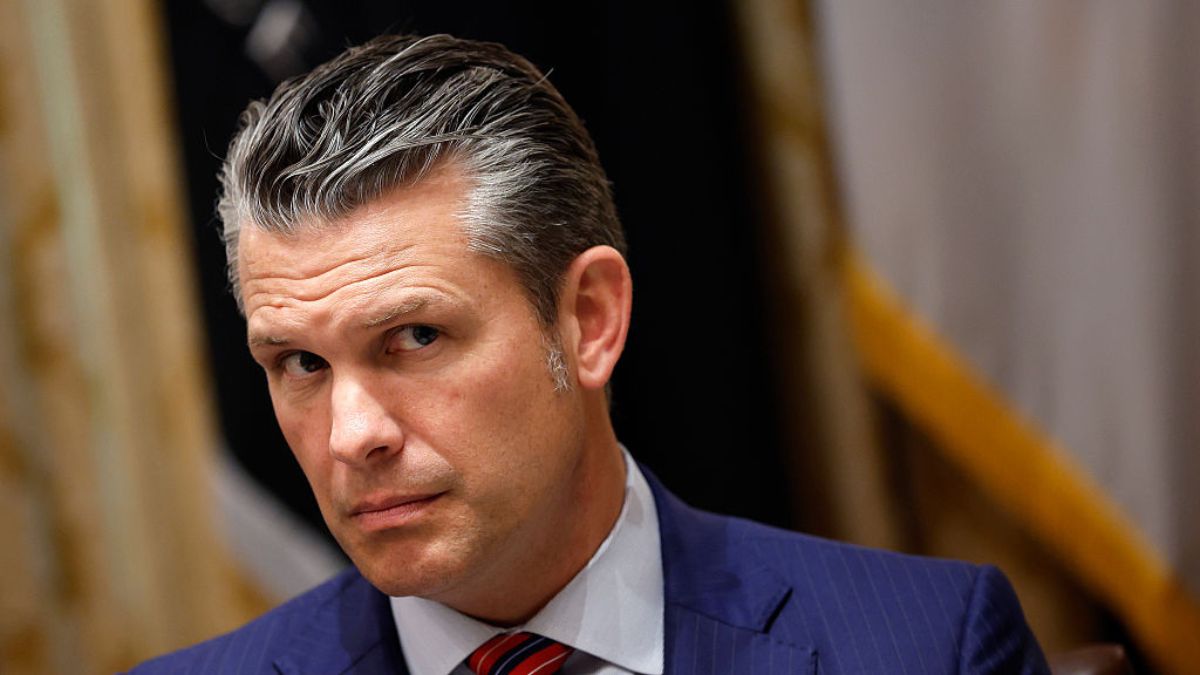

Defense Secretary Pete Hegseth has put new rules in place on how Pentagon officials can talk with Congress. Most interactions now need to go through a central office that reports directly to him. The move has worried lawmakers who say it stops them from doing their job and blocks access to information they need.
The memo mostly bans military officials, including the Joint Chiefs of Staff and the secretaries of the Army, Navy and Air Force, from speaking with Congress unless they check with the central office first. According to the memo, officials were warned that “Unauthorized engagements with Congress by DoW personnel acting in their official capacity, no matter how well-intentioned, may undermine Department-wide priorities critical to achieving our legislative objectives.”
Democratic Senator Jack Reed of Rhode Island, the top Democrat on the Senate Armed Services Committee, spoke out against the new policy. As per MSNBC, he told that Hegseth and his team appear to be “afraid of the truth” and guided by “paranoia.” Reed described what he sees as the Defense Department’s current thinking, saying they seem to be taking the attitude that “we do what we want, no one checks us.”
This Isn’t The Administration’s First Attempt To Limit Information Flow
The Pentagon restrictions come four months after the White House said it would limit intelligence sharing with members of Congress back in June. That move made Senate Minority Leader Chuck Schumer push back hard, saying that “The administration has no right to stonewall Congress on matters of national security. Senators deserve information, and the administration has a legal obligation to inform Congress precisely about what is happening right now abroad.”
Talks between congressional offices and federal agencies have been normal practice for many years. Lawmakers often rely on information from executive branch departments to do their oversight work and make smart decisions. The new restrictions are a big change from how things have always been done and raise questions about how Congress can properly watch over the Defense Department if officials cannot freely talk with lawmakers and their staff.
The restrictions also fit a larger pattern at the Pentagon under Hegseth’s leadership. His team has worked to limit what reporters and the public know about what happens at the Defense Department. Now those efforts reach out to limit what congressional offices can learn as well.
The Trump administration has faced pushback over other controversial decisions, including plans involving major cities that have raised concerns about how much power the executive branch should have. Reed warned that this approach could leave the department with no one checking on it, noting that while the courts might step in later, “that’ll be a few years from now.”
What exactly Hegseth wants to hide is not clear. The defense secretary has not explained why he made these new restrictions. Getting answers may be hard since the former host does not hold press conferences where reporters could ask him about the policy directly. Political experts continue to debate the administration’s approach to running the government and whether it breaks with how things normally work in Washington.








Published: Oct 22, 2025 05:00 pm