



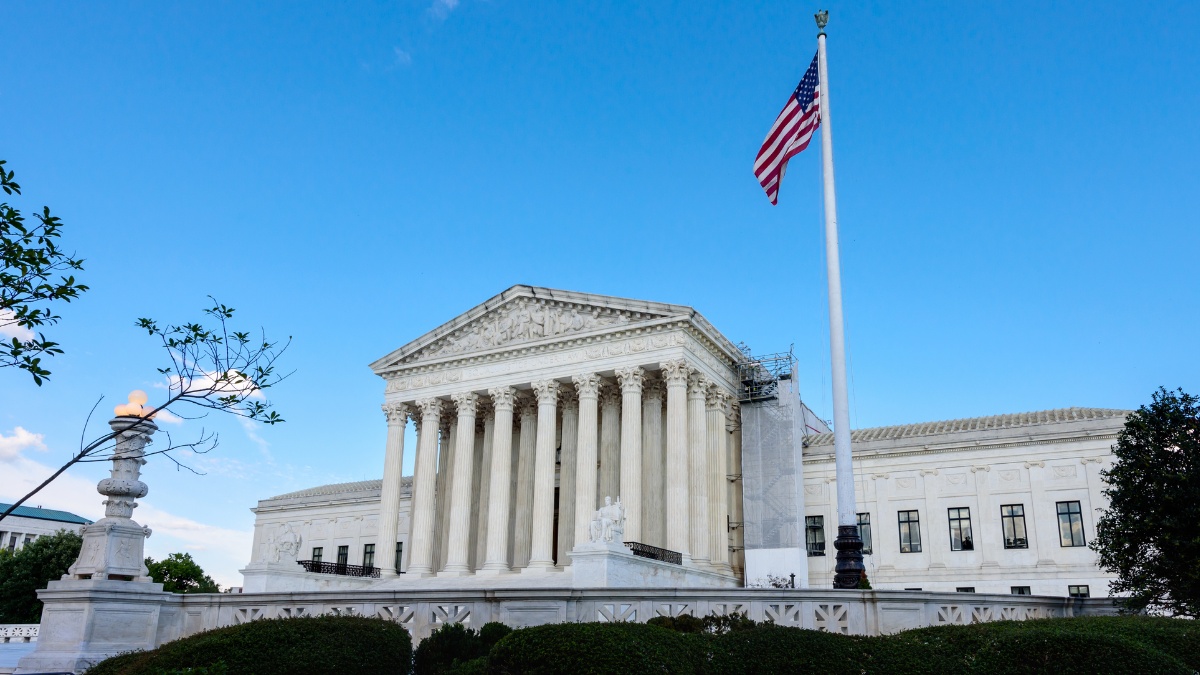

The Supreme Court ruled Wednesday in favor of an Illinois Republican congressman in a decision that could significantly expand who is allowed to challenge election laws in court. According to CNN, the 7-2 ruling revived a lawsuit brought by Rep. Michael Bost over Illinois’ absentee ballot rules without addressing whether the law itself is valid.
The decision focused on legal standing, concluding that candidates generally have the right to sue over election rules governing their races even if those rules did not affect the outcome. The ruling arrives as political relationships and power dynamics continue to shift nationally, including a recent report on how President Donald Trump has quietly built a working relationship with New York City Mayor, despite their ideological differences.
Legal analysts have warned that the decision could encourage a surge of post-election lawsuits, particularly in closely contested races. Critics argue that allowing candidates to sue simply because they ran in an election could strain the court system and undermine public confidence in election outcomes.
The court widened who can challenge the election rules
Bost’s lawsuit targets an Illinois law that allows election officials to accept mail-in ballots for up to two weeks after Election Day as long as they are postmarked by that date. He argued the law violates a federal statute requiring a uniform Election Day for federal races.
Lower courts had dismissed the case, finding Bost lacked standing because he won reelection in 2022 by more than 75 percent of the vote and could not show a concrete injury. The Supreme Court disagreed, holding that candidates have a direct interest in the rules governing how votes are counted in their elections, a question that overlaps with broader concerns about government authority and accountability raised in a recent account from a service member.
Chief Justice John Roberts, writing for the majority, said that interest exists regardless of whether the rules affect a candidate’s chances of winning or increase campaign costs. The opinion emphasized that candidates also have a stake in the integrity of the electoral process itself.
Justice Ketanji Brown Jackson dissented, joined by Justice Sonia Sotomayor, warning the ruling could destabilize elections by inviting excessive litigation. She argued the decision creates a special standing rule for candidates that complicates election law.
Justice Amy Coney Barrett, joined by Justice Elena Kagan, concurred in the judgment but criticized the majority’s reasoning. They said Bost had standing only because of the additional campaign expenses required to monitor extended ballot counting, not because he was a candidate.
Although Bost did not allege voter fraud, the ruling comes amid ongoing political criticism of mail-in voting following the Covid-19 pandemic. The Illinois law at issue, however, has been in place since 2005.
Bost welcomed the decision, calling it an important step for election integrity and confirming he plans to continue challenging the Illinois law. The ruling ensures the case will proceed, and it signals that courts may see far more election-related lawsuits in future cycles.






Published: Jan 14, 2026 10:30 pm