



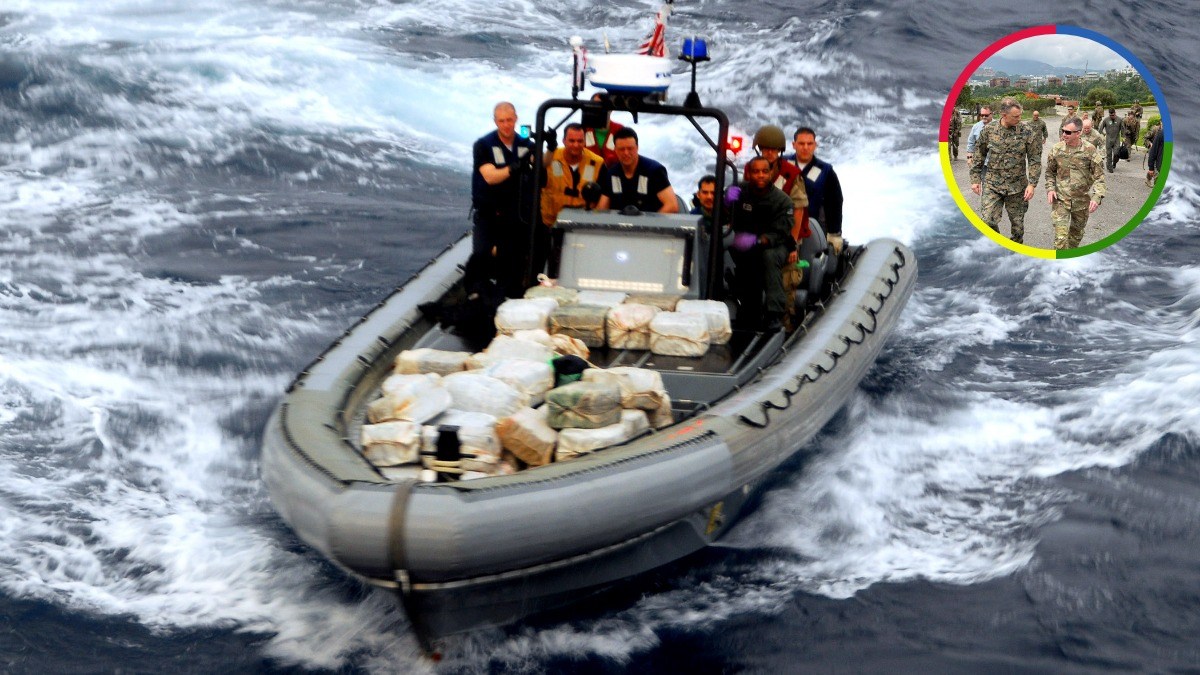

U.S. forces have sunk a second floating fuel depot in the Pacific that was allegedly refueling boats tied to Los Choneros, a criminal organization linked to drug trafficking. Per CBS, the strike happened in international waters and is the latest move in a broader campaign to cut off the logistics networks that keep smuggling operations running far from shore.
The vessel functioned as a kind of gas station in the middle of the ocean, storing large amounts of fuel that could be transferred to smaller, faster boats actually carrying the drugs. That setup lets traffickers extend their range well beyond what a single boat’s tank would allow, without ever making landfall to refuel.
Taking out a refueling station doesn’t just remove one boat, it strands every vessel that was planning to meet it, which is why the military appears to be targeting these supply points specifically rather than chasing individual smuggling runs.
Cutting off the fuel is smarter than chasing the boats
Trying to intercept every drug boat crossing the Pacific is close to impossible given how much open water there is to cover. Going after the refueling stations instead hits the entire network at once, since multiple smuggling runs can depend on the same floating depot. Lose the fuel, and boats risk getting stranded hundreds of miles from land.
That’s likely why this approach keeps showing up. Crews running these stations try to blend in with normal maritime traffic, which makes them harder to spot than a boat that’s obviously loaded with product. Finding and neutralizing one that far out, without a coastline nearby for support, takes real intelligence work and coordination.
None of this means the smuggling networks are done adapting. Groups like Los Choneros have a track record of adjusting their methods once a tactic stops working, whether that means smaller depots, different routes, or new ways of disguising their supply boats. Losing a refueling station is a real setback, but it’s unlikely to be the last workaround these networks try.
For now, though, the sinking marks another concrete disruption to a smuggling pipeline that depends on staying fueled far from any port. Whether the tactic keeps working will depend on how quickly the network can rebuild the infrastructure that was just sent to the bottom of the ocean.






Published: Sep 3, 2026 06:00 pm