



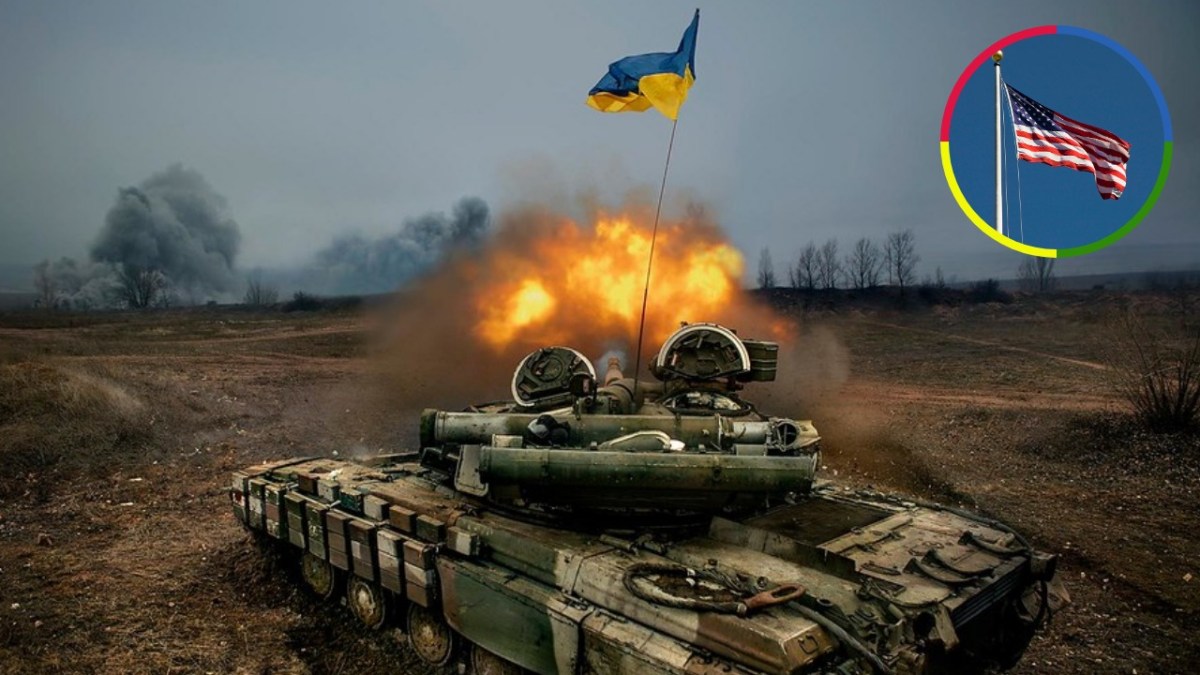

A group of 50 countries and the European Union released a joint statement demanding that Russia accept an immediate and unconditional ceasefire in Ukraine. The United States declined to add its name to the document, according to European Pravda. It was a political declaration released ahead of a Security Council meeting on Ukraine, not a legally binding resolution.
The joint statement places the responsibility for the ongoing conflict squarely on Russia. It highlights that Ukraine previously accepted an unconditional ceasefire, and it demands that Russia do the same. The document also calls for the return of prisoners of war, deported children, and civilians who have been forcibly transferred or arbitrarily detained.
The ceasefire framework mirrors a plan the United States put forward in March 2025, when Ukraine agreed to an immediate 30-day truce after talks in Jeddah. Secretary of State Marco Rubio said then that Washington hoped Moscow would say yes to peace. However, Russia never accepted it, as Moscow argued a pause would let Ukraine rearm and replenish its forces.
Washington was busy talking to Moscow on the very same day
Staying off the joint statement does not necessarily signal opposition to peace, as Washington pursued its own track that same day. Rubio met Russian Foreign Minister Sergei Lavrov in New York and said afterward that both Moscow and Kyiv had shown interest in a limited ceasefire covering grain and energy. He admitted even those smaller deals would not be easy.
President Donald Trump urged Vladimir Putin to settle the war a day earlier, when he arrived at the United Nations. He also met President Volodymyr Zelenskyy, and the two discussed a possible halt to strikes on energy infrastructure. However, the missing signature hardly looks like a policy reversal while the administration holds direct talks with both sides.
The White House and State Department have not publicly explained why the U.S. declined to sign the joint statement. Washington may believe mediators should keep their distance from collective pressure campaigns, as it also skipped a similar statement on Ukraine’s Independence Day last month. That pattern suggests a deliberate strategy rather than an isolated oversight.
Two sources told Reuters that Putin envoy Kirill Dmitriev was heading to New York to meet Steve Witkoff and Jared Kushner, who recently claimed Putin is very committed to peace talks. Energy and economic cooperation were expected on the agenda alongside Ukraine, as one source said the aim was to keep the dialogue going.
That channel may explain why Washington avoids declarations driven by Ukraine and its European allies. The U.S. was not the only major power missing from the joint statement, as China and India were also absent alongside Brazil and Turkey.
Zelenskyy said Ukraine is ready for a Black Sea shipping truce and a halt to energy strikes if Russia reciprocates. However, the Kremlin has not publicly agreed to either arrangement. Lavrov told the Security Council that Russia is willing to negotiate but will not pause its military operations while talks are ongoing.
Moscow argues that a truce would only give Ukraine time to rearm, and it wants a long-term peace deal instead of a ceasefire. The joint statement insists on a ceasefire first and negotiations later, while Russia intends to keep fighting until a settlement is reached.
Rubio has said he hopes Putin will accept an invitation to the G20 summit in the United States, which could bring the Russian leader face to face with Trump.





Published: Sep 24, 2026 12:15 pm