



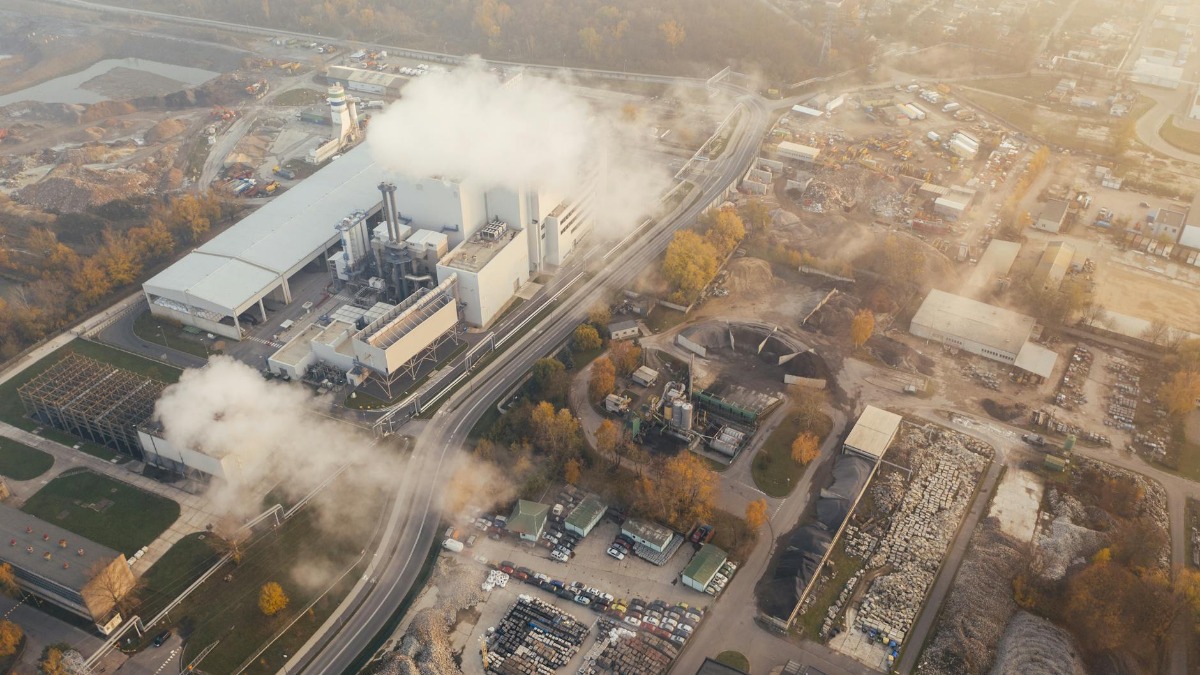

The Environmental Protection Agency (EPA) under the Trump administration is pushing to roll back a 2024 rule that strengthened protections against toxic ethylene oxide (EtO) pollution. This move would save companies $47 million a year but would put nearly 2.3 million people at risk of exposure to a cancer-causing gas. The 2024 rule aimed to reduce emissions at 89 facilities by requiring companies to use continuous monitoring and control fugitive emissions.
EtO is a flammable, colorless gas used to sterilize medical devices and some foods. It is also a potent carcinogen when inhaled and has been linked to leukemia and other health issues. Recent research has found that EtO is about 60 times more carcinogenic than previously thought when the last regulations were developed in 2006.
According to The Guardian, the Trump administration’s proposed rollback would also limit the EPA’s authority to strengthen regulations when it finds that hazardous air pollutants are more dangerous than previously believed.
The Trump administration’s EtO rollback is a serious threat to public health and EPA authority
“This move sends a signal flare to everyone that the administration plans to gut cancer protections,” said Erik Olson, senior adviser with the Natural Resources Defense Council (NRDC). The NRDC is among the plaintiffs in a lawsuit on a separate issue around the chemical.
The stakes in this fight are especially high because the Trump administration’s action would lock in a future interpretation of the law, said Erika Kranz, a supervisor at the Harvard Environmental and Energy Law Program. The NRDC is suing to stop the Trump administration from exempting EtO and other chemicals from regulations under the hazardous air pollutant rule.
The administration has not provided any evidence to support its decision to exempt about half of all commercial medical sterilizers from EtO standards, the NRDC alleges. “President Trump’s exemptions of chemical plants from regulations of hazardous air pollutants not only sacrifice the health of communities but are also illegal and undemocratic,” said Jen Sass, NRDC’s senior scientist.
This rollback is part of a broader pattern of the Trump administration limiting the EPA’s authority, said Kranz. The administration’s recent, controversial endangerment finding is another example of this same pattern. The Trump administration’s action around EtO would greatly reduce the EPA’s ability to consider public health risks when updating hazardous air pollutant standards, said Giancarlo Vargas, an attorney with the Harvard Environmental and Energy Law Program.
The regulations around chemicals are also structured in a way that allows chemicals to be approved with little review of industry safety claims, making independent oversight even more important. It can take independent science decades to learn the true risk, as has happened with EtO.
This move is not isolated, as the Trump administration is also seeking to reduce environmental protections to speed up construction and win a global AI race with China and other rivals. This is part of a wider pattern of Trump administration’s costly spending decisions that have raised serious concerns among critics.
Big Tech companies like Amazon, Meta, Microsoft, and Google are working across the country to build massive data centers that require a lot of energy, and in pursuit of winning the AI race, President Trump issued an executive order to remove many rules that could slow down AI development.
EPA Administrator Lee Zeldin announced construction definition rules that would allow gas power plants, data centers, and factories to begin construction on non-polluting components such as piping, wiring, and cement pads before obtaining air-emission permits.
The NRDC and other environmental groups have expressed concerns that this would make it harder for communities to protect the air they breathe, as it could lead to significant investment and construction on projects before permits are even issued.
This move would undermine the law’s requirement that regulators first determine whether a site is suitable for a proposed facility and whether its air pollution controls are good enough. These rollbacks come as Trump has also been pushing new election strategies ahead of 2026, raising broader questions about the administration’s approach to democratic oversight and accountability.









Published: May 13, 2026 12:30 pm