




The European Union has leveled a new round of sanctions against Israeli settler groups and their leadership, but the targeted individuals and organizations are treating the measures as a badge of honor rather than a deterrent. As reported by Al Jazeera, the latest EU measures, adopted on May 28, target four entities and three individuals embedded in the settler movement. Among those sanctioned are the Nachala movement and its director, Daniella Weiss, who dismissed the European penalties as both “ridiculous” and “banal.”
The list also includes the NGO Regavim, co-founded in part by Finance Minister Bezalel Smotrich, and its director, Meir Deutsch, along with the Amana cooperative association, which has long provided the financial and logistical backbone for settlement efforts across the territory. The measures include asset freezes and travel bans, per the EU Council’s official release. Smotrich himself has separately faced sanctions from the United Kingdom, Canada, and several other countries over his alleged role in supporting or enabling violence in the West Bank.
Analysts point out that these hardline figures have little exposure to travel restrictions or asset freezes in European countries, making the practical effect of the measures limited. The broader concern, observers say, is that the settlement project extends into the highest levels of the current Israeli government, a dynamic that individual-level sanctions do little to address.
The EU’s measures are being dismissed as the violence and displacement in the West Bank continue
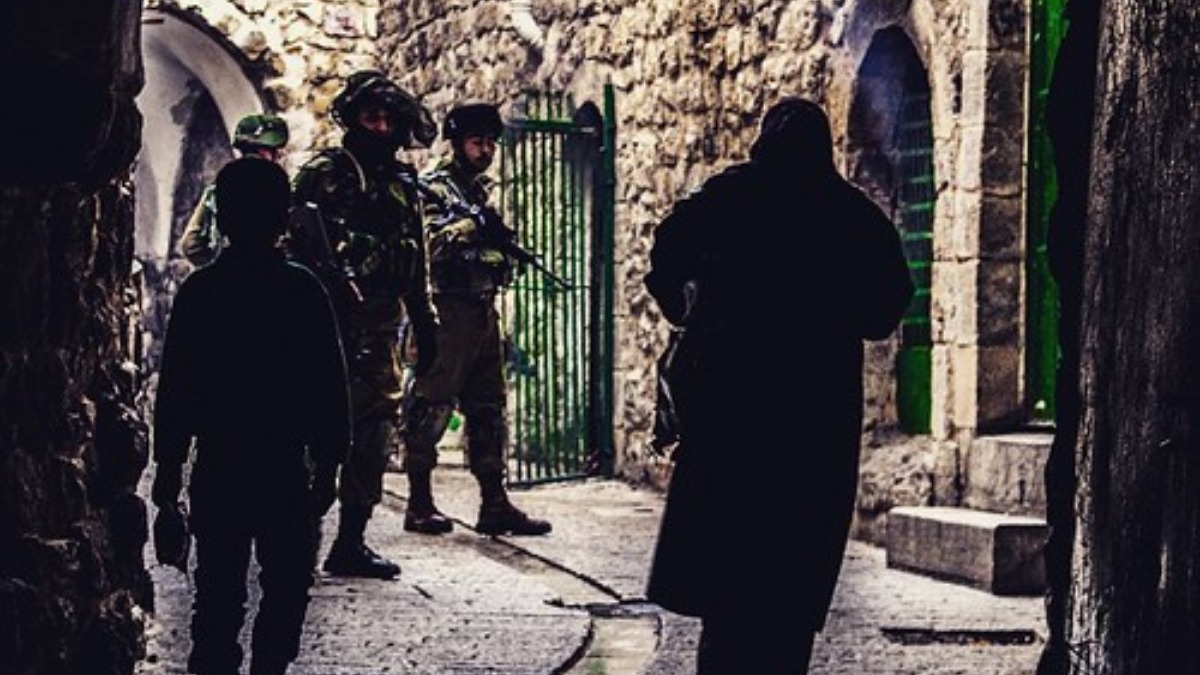
Since October 2023, the violence has reached a new level of intensity. Human rights monitors have documented incursions into the heart of densely populated Palestinian villages, where homes, vehicles, and olive groves have been torched during nighttime raids. Entire Bedouin herding communities in the Jordan Valley have been forcibly displaced following sustained campaigns of intimidation, a pattern that Israeli army-issued forced displacement orders have extended to other territories as well.
Tahseen Alayan, deputy director of the Palestinian human rights organization Al-Haq, described the daily reality for residents. “If you buy a sheep, they will steal it. If you build a house, they will destroy it. If you buy a car, they will burn it,” Alayan told Al Jazeera. He added that settlers now feel emboldened to raid densely populated Palestinian villages in ways that were less common before October 2023.
The statistics are stark. Since October 2023, an estimated 1,168 people have been killed in the occupied West Bank, while 12,666 others have been injured. Approximately 33,000 people have been displaced, and nearly 23,000 Palestinians have been detained, many without charge. The pattern of land seizure extends beyond physical attacks, with Palestinian families in some cases finding their former properties listed on commercial rental platforms after being driven off; one such case involving a settlement property gained attention in May 2026.
The case of Yinon Levi illustrates what critics describe as a culture of impunity. Levi allegedly shot and killed Palestinian activist Awdah Hathaleen in Masafer Yatta, with the act reportedly captured on video, yet Levi remains at large. When prosecutions do occur, critics argue the sentences rarely reflect the severity of the crimes, and those convicted are often treated as heroes within their communities.
Sociologists and human rights experts describe the dynamic in the occupied West Bank as a convergence of individual actors, organized settler groups, and government policy. Professor Daniel Bar-Tal of Tel Aviv University has explained that for many settlers, the push to settle the land is framed as a religious obligation rather than a political choice. Shai Parnes of B’Tselem has argued that the absence of meaningful international pressure has only deepened this alignment between settlers and the state.









Published: Jun 6, 2026 07:00 am