



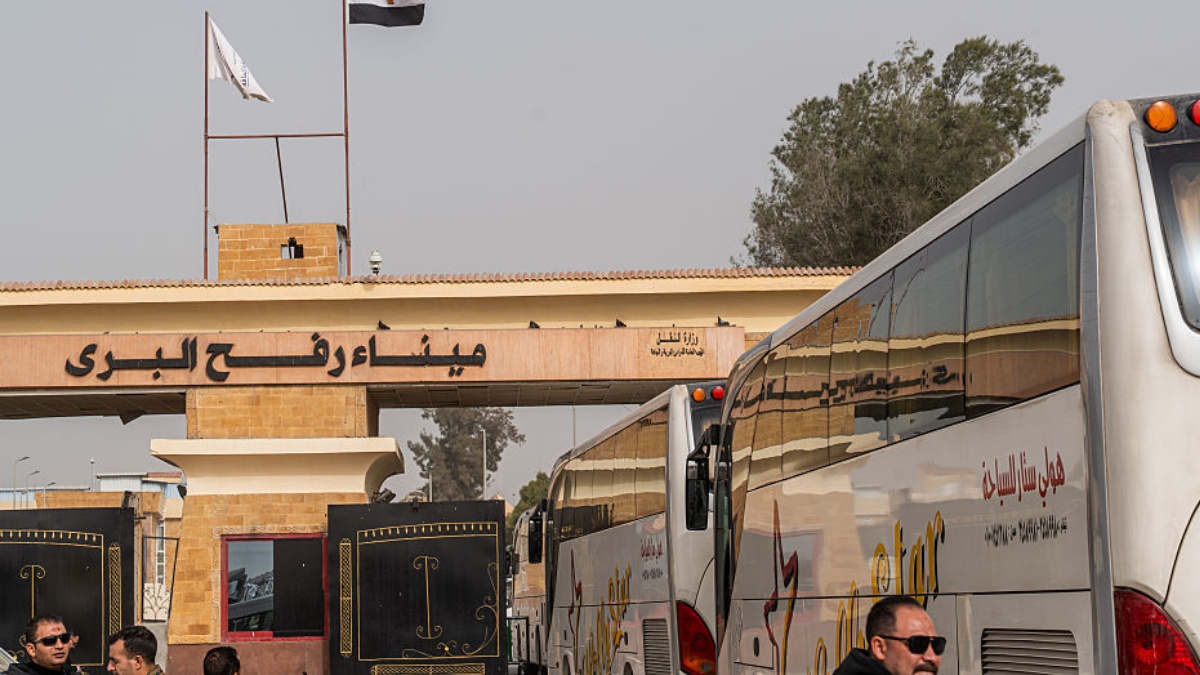

The key Rafah border crossing between Gaza and Egypt has officially reopened for the movement of people, offering what has been widely described as a sign of progress. As first highlighted by the BBC, the crossing had been effectively closed since May 2024, when Israeli forces took control of the Gaza side, leaving thousands trapped with no viable exit.
I find it difficult to accept the way this reopening is being framed across much of the media. Calling this a meaningful step forward ignores how restrictive and deliberately limited the conditions actually are. When access is reduced to a trickle and framed as generosity, it feels less like relief and more like a calculated gesture designed to look compassionate without addressing the reality on the ground.
This is being presented as hope, but what I see is a symbolic move that offers just enough to generate headlines while leaving the underlying crisis intact. Allowing a handful of people to leave each day, while maintaining overwhelming control, does not solve the problem. It prolongs it.
Calling this a reopening feels misleading when the restrictions remain this severe
Only a very small number of people are being allowed through the crossing, and no goods or humanitarian aid are permitted to pass via Rafah. Aid entering from Egypt must instead be routed through Israel’s Kerem Shalom crossing, reinforcing how tightly controlled every aspect of movement remains. I cannot see how this qualifies as a genuine reopening when the most basic lifelines are still blocked, as broader political debates continue elsewhere, such as recent discussions around the U.S. election.
The numbers make the reality impossible to ignore. The World Health Organization and local hospitals estimate that around 20,000 sick and wounded Palestinians urgently need to leave Gaza for treatment abroad. Israeli authorities, however, have set a daily limit of just 50 patients, each accompanied by one or two relatives. Framing this as humanitarian relief feels disingenuous when the scale of need so vastly outweighs what is being permitted.
The cruelty of these limits becomes clear through individual stories. Sabrine al-Da’ma is hoping to travel with her 16-year-old daughter, Rawa, who suffers from kidney disease and began dialysis after the war started. Sabrine said food shortages worsened her daughter’s condition, and she fears that delays could prevent her, at 45, from being approved as a kidney donor.
Others are being denied not because they are healthy, but because their needs do not fit a narrow definition of what qualifies as humanitarian. Maha Ali, 26, hopes to travel to Algeria to complete her master’s degree, but said Israeli authorities previously told her students are not considered humanitarian cases. She said two years of her academic life have already been lost under these restrictions. Coverage of other news, like recently reported Trump’s legal disputes involving federal agencies, shows how uneven public attention can be with different matters.
Logistically, the crossing is being overseen by teams from the European Union Border Assistance Mission alongside local Palestinian staff, with Israel conducting remote security checks. The World Health Organization is managing patient transfers across the “Yellow Line” into Israeli-controlled territory. Egyptian officials have said 150 hospitals and 300 ambulances are prepared to receive evacuees, underscoring that capacity exists if access were meaningfully expanded.
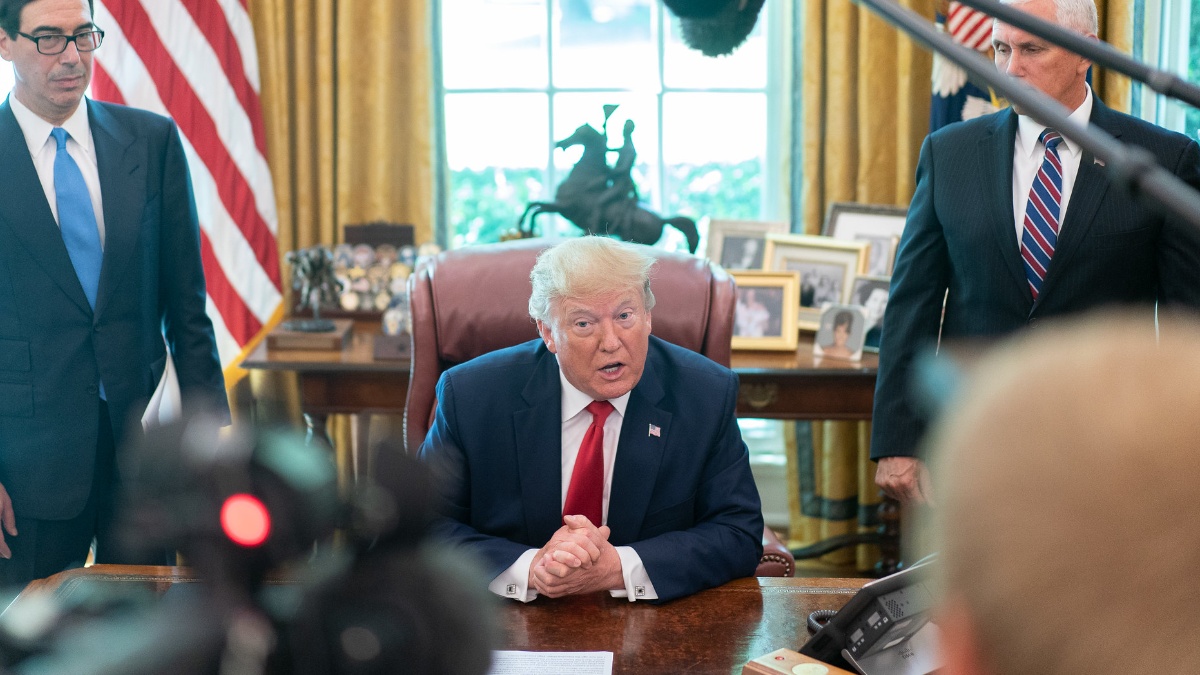
The reopening was initially expected during the first phase of President Trump’s ceasefire initiative in October, but was delayed until the return of the last Israeli hostage’s body from Gaza. The Israeli military confirmed last week that it had recovered the remains of police officer Master Sgt Ran Gvili.
I keep seeing officials describe this as a positive step, and I cannot reconcile that language with what is actually happening. EU foreign policy chief Kaja Kallas called the move “concrete and positive,” while UK Foreign Secretary Yvette Cooper said much more still needs to be done. From my perspective, praising an action this limited risks normalizing a system where suffering is managed rather than alleviated.
If someone is dying of thirst in the desert, giving them a few drops of water is not mercy. It only reminds them of what they are being denied. That is what this reopening feels like to me: a gesture that creates the appearance of movement while leaving thousands still waiting, still suffering, and still dependent on decisions that barely change their reality.






Published: Feb 2, 2026 08:30 pm