



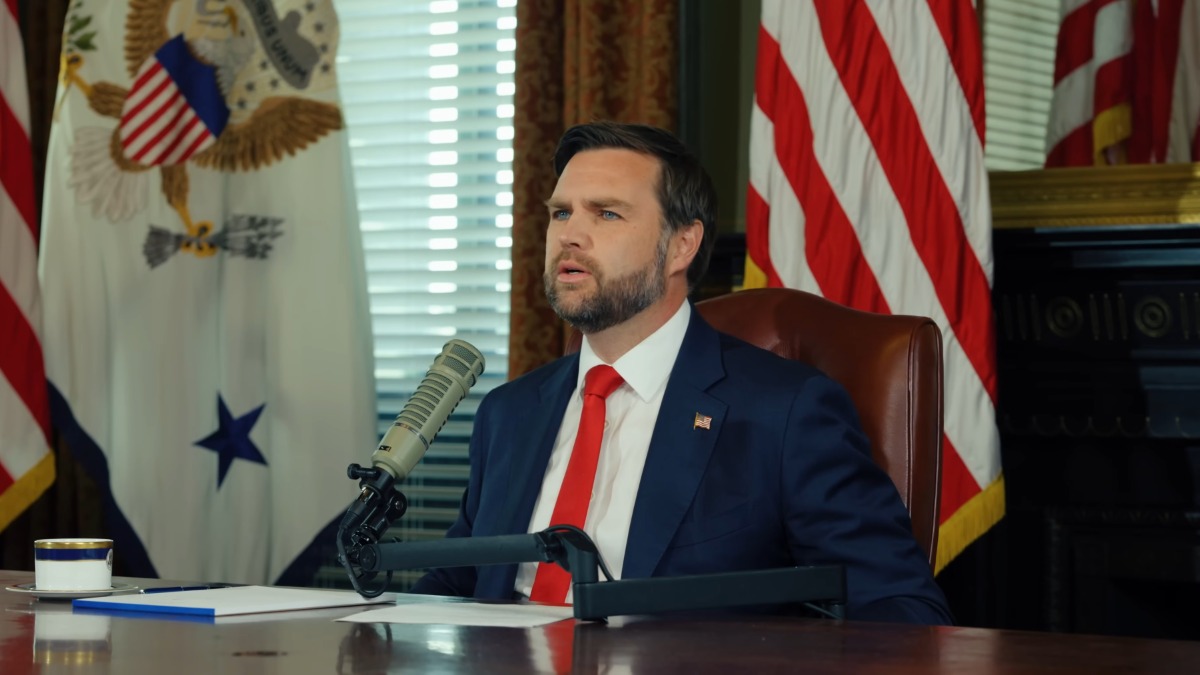

It’s becoming increasingly clear that the relationship between the United States and Israel is hitting a major rough patch, especially when it comes to how to handle Iran. As reported by The Hill, Vice President JD Vance confirmed this on Monday, acknowledging that while the two nations share plenty of common ground, there are specific situations where our interests simply don’t align.
This tension is bubbling up right as the administration is pushing hard to finalize a long-term settlement regarding Iran’s nuclear deal, a move that is clearly causing some friction with Israeli leadership. Vance spoke with Jesse Watters on Monday, addressing the growing chatter about Israeli intelligence agencies reportedly eavesdropping on American negotiators.
When asked about Israel freelancing in Lebanon, Vance didn’t shy away from the reality of the situation. He noted, “The Israelis and I, excuse me, the Israelis and the United States, we have a lot of shared interests, but we also have some situations where our interests diverge.”
The core of the disagreement seems to be the scope of these ongoing negotiations with Tehran
Israel is deeply concerned that the U.S. might leave out critical pieces of the puzzle, specifically Iran’s ballistic missile program and its ongoing support for terrorist proxies. There is a palpable anxiety in Israel that the Trump administration might provide some form of sanctions relief without actually locking down Iran’s ability to develop a nuclear weapon.
Vance defended the administration’s strategy, saying, “We’ve created the space necessary where the president believes, and I think that he’s right, that we can get the long-term settlement to Iran’s nuclear deal. Now, Israel may like that, they may not like that, but fundamentally, we think this is in the best interest of the United States of America.”
This isn’t just about diplomacy, either. The situation on the ground has been volatile, with Prime Minister Benjamin Netanyahu openly defying President Trump’s directives. While the president has been pressuring the Israeli leader to hold back on military operations to keep ceasefire talks alive, Netanyahu hasn’t been playing along. Over the weekend, Israel launched retaliatory strikes against sites in Beirut after being attacked by Hezbollah. Netanyahu also authorized strikes against Iran in response to Iranian missiles fired at Israel’s north.
Netanyahu has been firm about his government’s position. In a statement on Monday, he said, “They thought they would fire at Israel from Lebanese territory and from Iran – and we would not act. That did not happen, and it will not happen. Not on my watch!” The Israel Defense Forces shared on X that these operations successfully struck seven aerial defense systems across Iran and a petrochemical facility used for weapons production. Netanyahu even claimed he told the president that Israel has a full right to self-defense and is exercising it as necessary.
President Trump’s reaction to all of this has been a mix of frustration and optimism. He stated on Sunday afternoon that he was not happy about Israel striking targets in Beirut. However, he also acknowledged that the ongoing exchange of missiles between Iran and Israel isn’t exactly helping the negotiations. On Monday, the president posted on Truth Social that both sides are looking to do an immediate ceasefire, adding that final negotiations on peace are moving forward, provided that ignorance or stupidity doesn’t get in the way.
Behind the scenes, things are even more complex. While Trump has been publicly assertive, stating in an interview with the Financial Times that he calls “all the shots,” there have been reports that he privately advised Netanyahu to carry out a limited strike to avoid further escalation. The pressure on the president is immense. He’s trying to navigate a nuclear deal while simultaneously dealing with a global energy crisis caused by the closure of the Strait of Hormuz, which has significantly impacted gas prices over the last 100 days.








Published: Jun 9, 2026 01:30 pm