



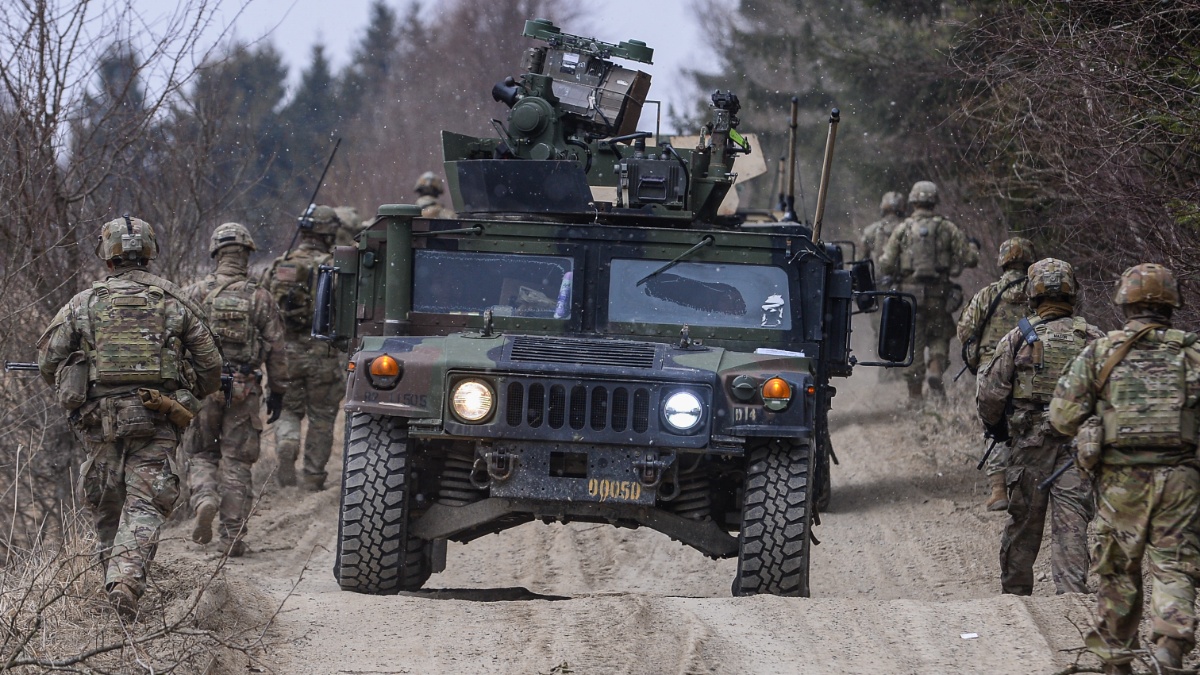

The United States just delivered a crushing ultimatum to Europe, demanding that European allies take over the majority of NATO’s conventional defense capabilities, including everything from intelligence gathering to missiles, by the wildly ambitious deadline of 2027, as per Reuters. This tight timeline has already struck some European officials as completely unrealistic, but failing to comply could dramatically change how the U.S. works with its most crucial military partners.
If Europe doesn’t meet this 2027 deadline, U.S. officials warned that Washington may stop participating in some NATO defense coordination mechanisms. This shift in burden would fundamentally alter the dynamics of the North Atlantic Treaty Organization, an alliance the U.S. helped found after the war. Conventional defense capabilities cover all non-nuclear assets, including troops, weapons, and support systems.
The message was conveyed at a meeting in Washington between Pentagon staff overseeing NATO policy and several European delegations, according to five sources familiar with the discussions, including one U.S. official. Pentagon officials indicated they are not yet satisfied with the strides Europe has made to boost its defense since Russia’s invasion of Ukraine.
This is a rude awakening for European nations
For European officials, the 2027 deadline is just not feasible, regardless of how Washington decides to measure progress. They’re facing huge hurdles that go beyond simply finding the money and the political will. One of the biggest problems is the supply chain: NATO allies are currently facing massive production backlogs for military equipment they need to buy.
While U.S. officials have encouraged Europe to purchase more American-made materiel, getting those systems is a nightmare. Some of the most valuable U.S.-made weapons and defense systems would take years to be delivered if ordered today, which makes meeting a 2027 deadline feel impossible. This delivery delay is awful for continental defense planning and shows that Europe can’t just shop its way out of this problem in the short term.
Beyond weapons, the U.S. contributes unique capabilities that Europe can’t just purchase off the shelf. This includes advanced intelligence, surveillance, and reconnaissance (ISR) systems that have been absolutely critical to the Ukrainian war effort. European nations have broadly accepted President Trump’s demand to take more responsibility, and the European Union has set its own target of being ready to defend itself by 2030, but officials and analysts already say that deadline is highly ambitious.
The relationship between Washington and NATO is famously volatile. President Trump has consistently argued that European allies must contribute more to the alliance. You’ve seen him vacillate between extremes, bashing European allies on the campaign trail in 2024 and even suggesting he’d encourage Russian President Vladimir Putin, who has already threatened Europe with a war, to invade NATO countries that didn’t spend their fair share. Canada previously indicated increased military spending.
Pentagon officials didn’t explain how Washington would measure Europe’s progress toward shouldering the majority of the burden. When asked for comment, a NATO official speaking for the alliance confirmed that European allies have begun taking more responsibility for security and have “recognized the need to invest more in defense and shift the burden on conventional defense” from the U.S. to Europe. However, that official didn’t specifically comment on the feasibility of the 2027 deadline.









Published: Dec 5, 2025 05:00 pm