



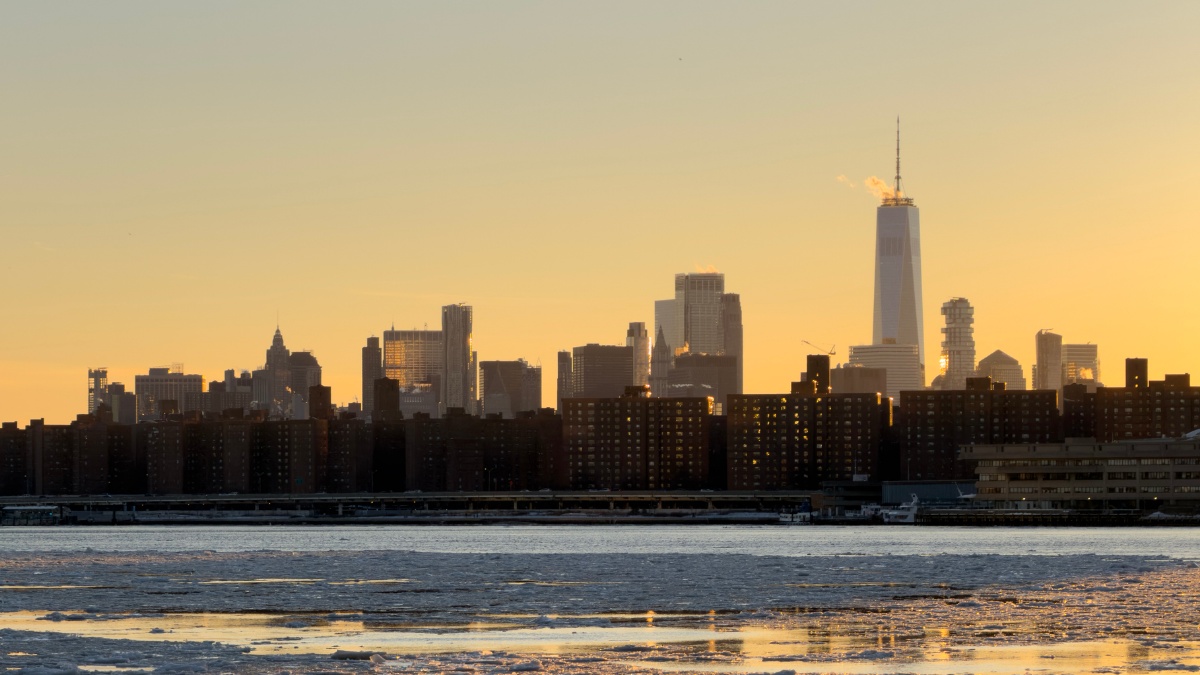

The known death toll from the prolonged cold snap in New York City has risen, after city officials confirmed that seven people died from cold exposure inside private residences. The deaths came to light through reporting by The New York Times, adding to concerns about how residents were impacted by the extreme temperatures.
Those seven deaths are in addition to 18 people who were found outside during the same period, underscoring the danger posed by the weekslong stretch of bitter cold. City officials said the residential deaths occurred despite the assumption that indoor spaces would offer protection from freezing conditions.
What remains unclear is why these individuals died inside their homes. Officials have not confirmed whether faulty heating systems were involved, though the city reported more complaints about heat and hot water in January than in any other month on record, raising questions about the condition of the city’s housing stock.
Officials still lack clear answers about indoor deaths
City Hall said the residential deaths occurred after January 19, when a round-the-clock Code Blue alert was activated. Officials are still assessing how the current toll compares with previous extended cold snaps, including one that lasted from 2017 into 2018, and scrutiny over local governance has been rising alongside stories like people smearing feces on park kiosks after policy pushback that reflect public backlash dynamics.
Of the 18 people found outdoors, the city’s chief medical examiner, Jason Graham, testified that at least 15 deaths were preliminarily linked to hypothermia. He also noted that his office is examining whether hypothermia played a role in additional deaths in residential settings, meaning the total could increase.
The situation has placed Mayor Zohran Mamdani’s administration under scrutiny. A City Council panel held a four-hour oversight hearing on Tuesday, February 10, 2026, pressing officials for explanations but receiving limited new information. This comes amid broader national news cycles where senators are debating financial loopholes in new legislation that highlight ongoing policy challenges.
Council Speaker Julie Menin sharply criticized the city’s response, arguing that the deaths reflected systemic failures. She said that each fatality was evidence that safeguards meant to protect residents were not functioning as intended.
Molly Wasow Park, commissioner of the Department of Social Services, told the council that New York City typically records 10 to 20 hypothermia-related deaths among homeless individuals each year. With 18 outdoor deaths already confirmed, she said the current figures place this year at the high end of that range even before investigations are complete.
Tensions at the hearing were heightened by the impending departures of both Ms. Park and Zach Iscol, the city’s emergency management commissioner, as council members sought clarity on how the administration plans to respond going forward. Policy disputes also emerged over whether the city should more aggressively remove people from the streets during extreme cold, even without consent. Since January 19, police have made 52 involuntary removals and the Department of Social Services has made 33, which officials described as an unusually high number.
On his final full day as commissioner, Mr. Iscol warned that extreme weather events are likely to become more frequent as climate conditions change. City officials said the investigations into the recent deaths are ongoing, and no final determinations have yet been released.







Published: Feb 10, 2026 07:00 pm