



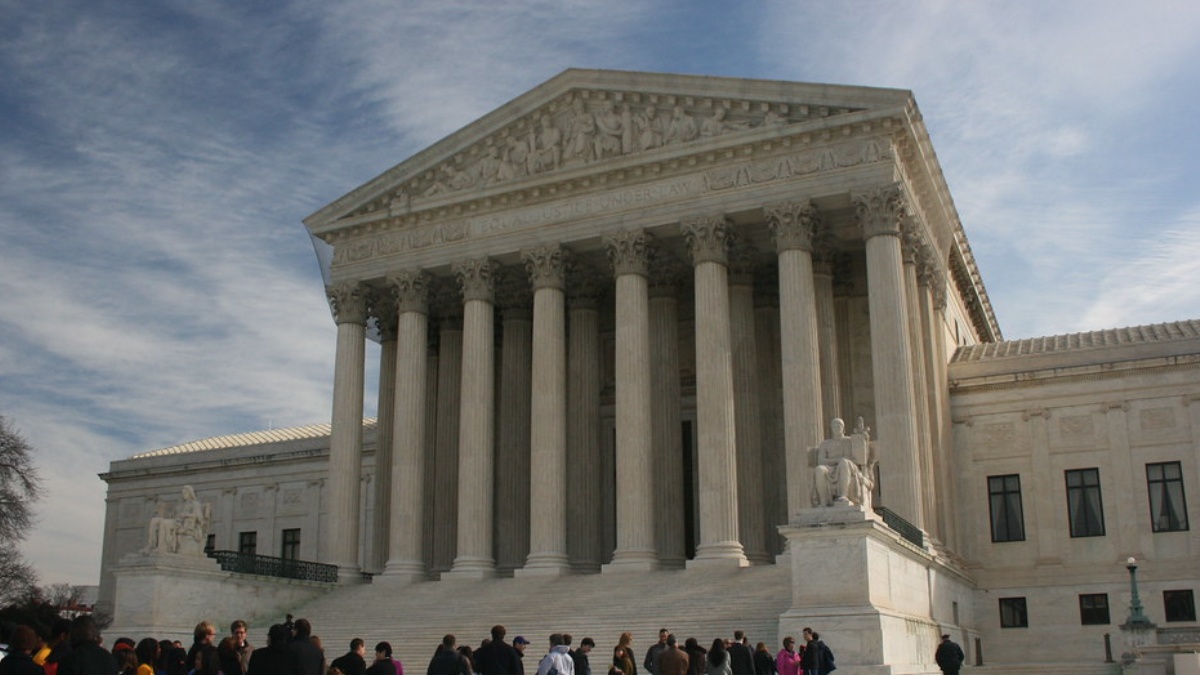

The Supreme Court temporarily blocked California from enforcing policies that generally prevent public school teachers from informing parents if their child identifies as transgender. The move came after Christian teachers and parents filed an emergency request arguing the state’s approach sidelined families.
The decision was detailed by The New York Times, which reported that challengers said California’s policies effectively required schools to conceal a student’s transgender status from parents. California Attorney General Rob Bonta rejected that interpretation, telling the justices that state law does not prohibit sharing such information and in some cases requires disclosure if there is a risk of serious harm.
Bonta also warned that forcing disclosure of confidential information could have “irreversible” consequences for vulnerable students. Despite those arguments, the court’s conservative majority granted the emergency request and halted the rules while litigation continues.
The court split over acting on an emergency basis
In an unsigned order, the majority said the parents with religious objections are likely to succeed on the merits of their claims. The justices pointed to what they described as “sincere religious beliefs about sex and gender” and said California’s policies likely burden those beliefs by limiting parental involvement.
The majority also emphasized that parents have a broader right not to be “shut out of participation in decisions regarding their children’s mental health.” It concluded the state’s approach likely infringes on parents’ ability to guide their children’s upbringing while the case proceeds.
The court’s three liberal justices dissented, with Justice Elena Kagan criticizing the majority for acting too quickly. She argued the court was effectively prejudging a significant constitutional issue on an emergency basis without full briefing or oral argument.
Justices Amy Coney Barrett, John G. Roberts Jr., and Brett M. Kavanaugh responded that the temporary order does not signal impatience. Instead, they wrote, it reflects concern about the potential harm if parents are excluded from consequential decisions about their children’s health and well being.
The case is one of several this term involving gender identity and parental rights. Separate coverage has also tracked OpenAI military deal backlash as debates over government authority and oversight expand beyond education policy.
The lawsuit began in 2024 and challenges state laws and policies the plaintiffs say violate their rights to free speech and free exercise of religion. It also references California’s 2025 “State of Pride” report, which states that students have the right to disclose or not disclose their gender identity on their own terms and that schools cannot “out” LGBTQ+ students without permission.
Court filings included an account from two parents who said they were not informed for months that their middle school age daughter was being identified as male at school. In a separate development, DHS terror alert push unfolded as federal officials weighed broader safety concerns.
A federal district court judge previously barred state officials from keeping information from parents, but the Ninth Circuit put that order on hold, saying it was too broad. The Supreme Court’s temporary ruling now blocks California’s policies while the case moves forward.







Published: Mar 3, 2026 06:30 am