



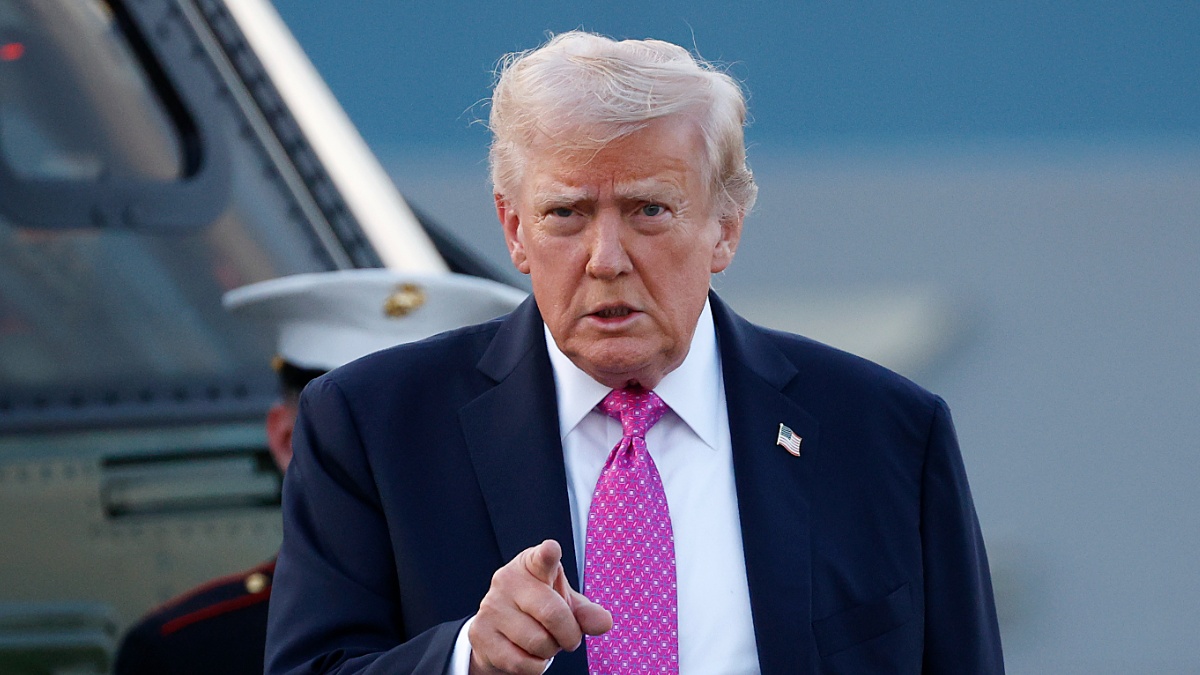

President Trump is taking official steps to examine the criteria for stripping citizenship from certain Americans through a process known as denaturalization. The issue has been discussed publicly by Trump for months, but the administration is now reportedly reviewing how such a policy could be implemented.
The president has identified specific communities he believes should be examined. Speaking to reporters, Trump said he would be looking at the Somali community, claiming that “many of the people that came in from Somalia, they hate our country,” while also indicating that additional groups could be included.
According to UNILAD, Trump has stated that citizenship could be revoked if individuals are found to “deserve” it. He has not released details on how determinations would be made, but he has made clear that the effort would not be limited to a single population.
The administration appears poised to test denaturalization limits
Trump has repeatedly voiced support for denaturalization in recent months. In early December, he said he was “absolutely” prepared to move forward, arguing that some naturalized citizens were criminals who gained status through government failures under the Biden administration. His broader comments about presidential authority and what he believes constrains his power have also raised alarms.
While acknowledging the legal complexity of such actions, Trump said he was unsure whether he had the authority to carry them out. He added that if he did have that power, he would pursue denaturalization “absolutely,” and previously said he would do so in a “heartbeat.”
Naturalization is a voluntary legal process through which immigrants become United States citizens. Applicants must be at least 18 years old, demonstrate basic English proficiency, and show good moral character, with the expectation that citizenship is permanent once granted.
Denaturalization is currently rare and can only occur through a judicial process. It generally involves civil proceedings or criminal convictions tied directly to fraud during the naturalization process. Similar fears about overreach have surfaced in foreign policy debates as well, including bipartisan resistance to Trump-era actions abroad, such as the backlash discussed here regarding Venezuela and accusations of “old-fashioned imperialism” by Bernie Sanders.
Between 1990 and 2017, an average of 11 denaturalization cases were opened per year. Any effort to broaden the criteria would represent a significant expansion of how often citizenship could be challenged.
Civil rights organizations have criticized the administration’s stance. The American Civil Liberties Union described the push to strip citizenship as “systemic and chilling,” warning that it could undermine confidence in the naturalization system.
The ACLU has also stated that citizens may fear that past application errors could be used against them years later. The organization warned that this uncertainty could discourage lawful permanent residents from pursuing citizenship or fully participating in civic life.






Published: Jan 11, 2026 05:45 am