



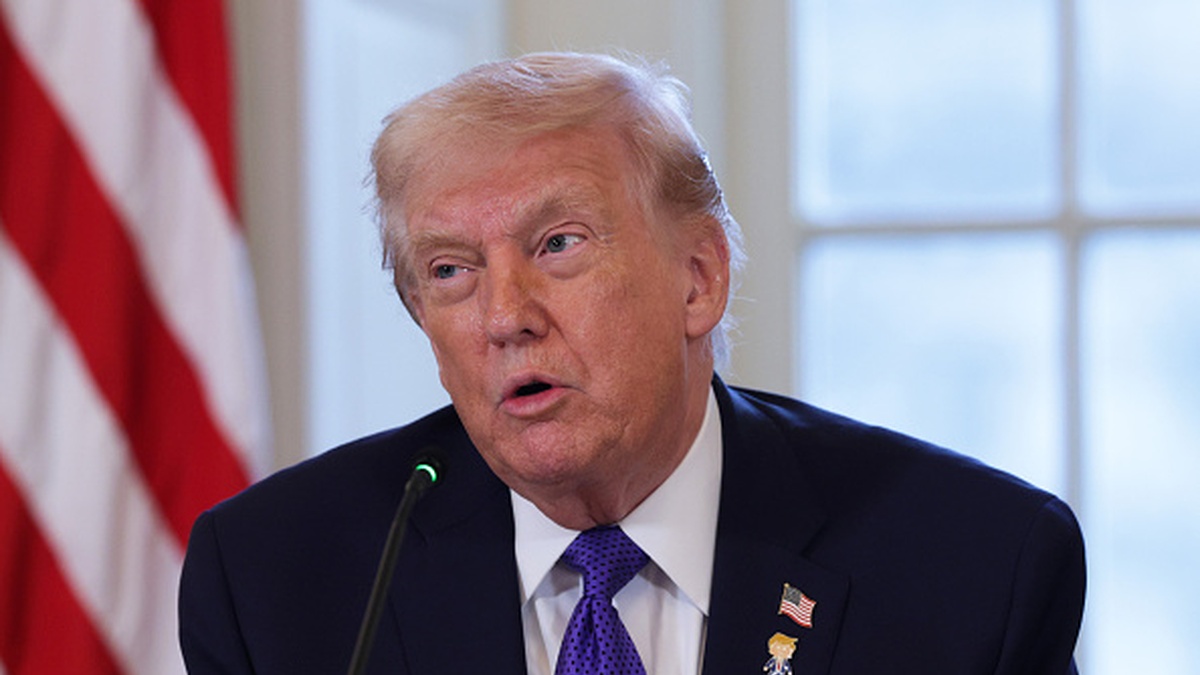

Despite a highly publicized push by President Donald Trump to reduce drug costs, all 16 pharmaceutical companies that signed voluntary pricing agreements with the administration raised prices on some products. The development was first reported by NPR, which reviewed new pricing data released at the start of the year.
Since September, those companies agreed to curb costs under a voluntary framework promoted by the White House. January is typically when manufacturers implement annual price changes, and this year followed that pattern. Data shows the companies raised list prices on 872 brand-name drugs during the first two weeks of 2026, including medications tied to the agreements.
The increases affected treatments for cancer, heart failure, Type 2 diabetes, and some COVID shots. The median increase was 4%, matching last year’s average and undermining expectations that the agreements would alter pricing behavior.
The voluntary deals have not shifted industry pricing behavior
Antonio Ciaccia, CEO of a nonprofit that tracks prescription drug prices, said January has long been the industry’s peak period for list price changes. He said the key measure is what happens in the market after the agreements, adding that current trends look consistent with recent years.
The agreements, labeled “most favored nation” deals by the administration, were intended to lower U.S. prices while pushing other wealthy countries to pay more for new drugs. The terms have not been made public, leaving their scope and enforcement unclear.
When asked if the January increases violated the agreements, the White House rejected that interpretation. Spokesperson Kush Desai said list prices were not the focus, arguing that negotiated discounts are still expected to reach state Medicaid programs and cash-paying patients.
The administration has also asked Congress to support its Great Healthcare Plan. Dr. Mehmet Oz, who leads the Centers for Medicare and Medicaid Services, said the legislation would codify the agreements reached with manufacturers.
Health policy experts remain skeptical that the deals will affect most consumers. Dr. Ben Rome said Medicaid already receives similar discounts, limiting the agreements’ impact. He added that pledges to align future drug launch prices across wealthy countries and offer discounts through TrumpRx.gov would apply to a narrow group of buyers. Rome said the deals do little to influence prices for most drugs or for the majority of insured Americans.
Several companies that signed the agreements were among those raising prices. Pfizer increased prices on 72 products, including a 15% hike on its COVID shot, while Merck raised prices on 18 drugs, including treatments for HIV and insomnia.
Manufacturers say the increases are needed to fund research and cover rising costs, noting that net prices after rebates can decline even as list prices rise. There were also 18 significant price cuts early in the year, including insulin and heart failure drugs. Experts say those reductions may reflect pressure from Medicare negotiations rather than the new agreements, as price increases continue to outpace cuts overall.
In other Trump administration developments, recent coverage has highlighted diplomatic pressure tied to Greenland and scrutiny surrounding a pardon decision of a Puerto Rico governor.




Published: Jan 16, 2026 08:15 pm