



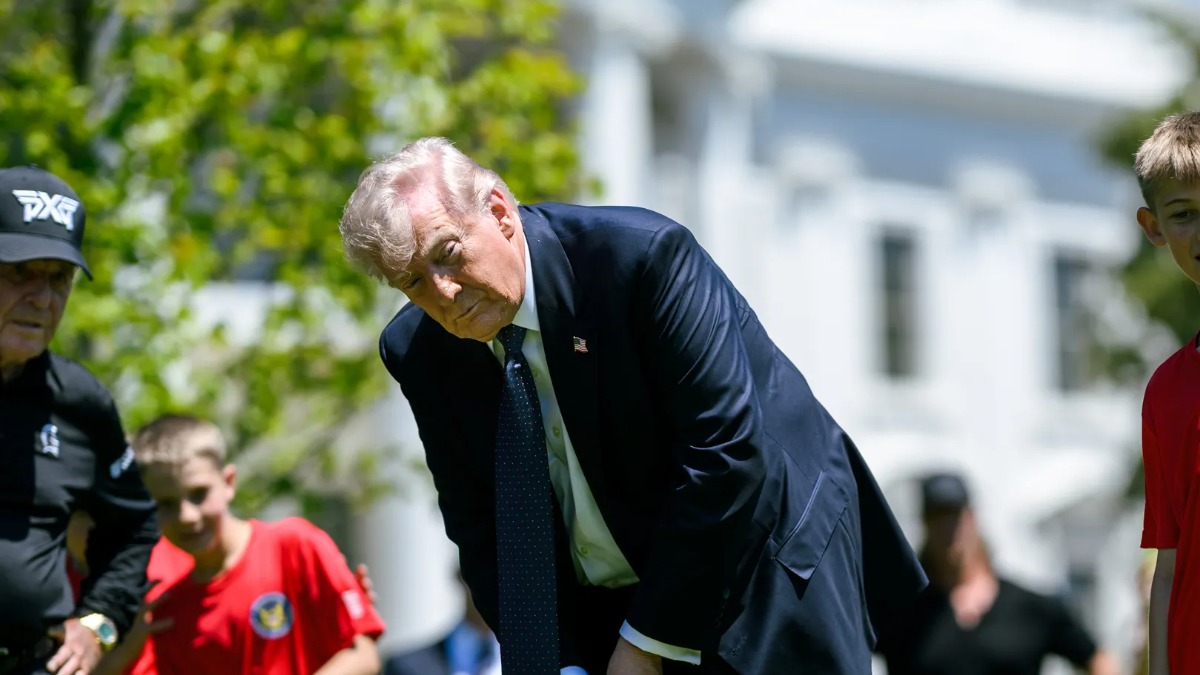

According to recent reports by Associated Press, President Donald Trump is seriously considering a move to make Venezuela the 51st state of the United States. This revelation came to light after Fox News co-anchor John Roberts spoke to the president on Monday, confirming that the idea is being treated as a legitimate policy consideration within the administration.
Back in January, U.S. forces successfully captured Nicolás Maduro and his wife, Cillia Flores, during a laserpoint military operation. Following that event, Trump announced that an interim group composed of top administration officials would manage the country to facilitate a transition. Since then, the pace of change has been nothing short of intense. We have seen the U.S. Embassy reopen in March, and direct flights between the two nations resumed just last month.
Venezuela holds the largest proven oil reserves in the world, and Trump has stated that U.S. oil companies are planning to invest roughly $100 billion to rebuild the country’s oil infrastructure. He claimed, “Venezuela is a very happy country right now,” adding that “They were miserable. Now they’re happy. It’s being well fun. The oil that’s coming out is enormous, the biggest in many years. And the big oil companies are going in with the biggest, most beautiful rigs you’ve ever seen.”
While the president seems enthusiastic, the reality of turning a sovereign nation into a U.S. state is incredibly complicated
Legally speaking, such a move would require both congressional approval and the consent of Venezuela itself. Acting President Delcy Rodríguez, who assumed power following the January military operation, has already pushed back against the idea. While speaking at the International Court of Justice in The Hague, she made it clear that her country has no plans to become the 51st U.S. state. She emphasized that Venezuela is “not a colony, but a free country” and pledged to defend the nation’s integrity, sovereignty, and independence.
Interestingly, the tension isn’t just about the U.S. presence. Rodríguez was in The Hague to address a long-standing territorial dispute with Guyana regarding the Essequibo region. This 62,000-square-mile territory is rich in gold, diamonds, and timber, and it sits near massive offshore oil deposits. The dispute dates back to the 19th century, but it has intensified since 2015 when ExxonMobil discovered significant oil fields off the coast.
Rodríguez argued that political negotiations, rather than a judicial ruling from the International Court of Justice, are the only way to resolve the issue. She accused Guyana of making an opportunistic move by seeking a court ruling, noting that the shift toward legal action coincided with the discovery of those massive oil reserves.
Despite the firm stance from the acting president, the U.S. has maintained a significant presence in the area. We have seen the construction of one of the largest naval fleets in the Caribbean in decades. While Secretary of State Marco Rubio told Congress back in January that the U.S. was not militarily postured for action and that the only military presence would be Marine guards at the embassy, the president has repeatedly suggested otherwise. He has even described the U.S. operations in Venezuela as military genius.
Back in March, after Venezuela defeated Italy at the World Baseball Classic, Trump took to Truth Social to write, “STATEHOOD, #51, Anyone?” At the time, it was easy to dismiss as a typical social media post, but it now appears to be a consistent theme in his thinking. White House spokesperson Anna Kelly, when asked about the president’s plans, declined to comment directly but noted that the president is famous for never accepting the status quo.
The international community is watching closely. A coalition of more than 40 human rights groups working in Latin America has warned that a democratic transition in Venezuela is necessary, but they cautioned that it cannot justify the breakdown of international order or the use of unilateral, violent means.





Published: May 12, 2026 05:30 pm