



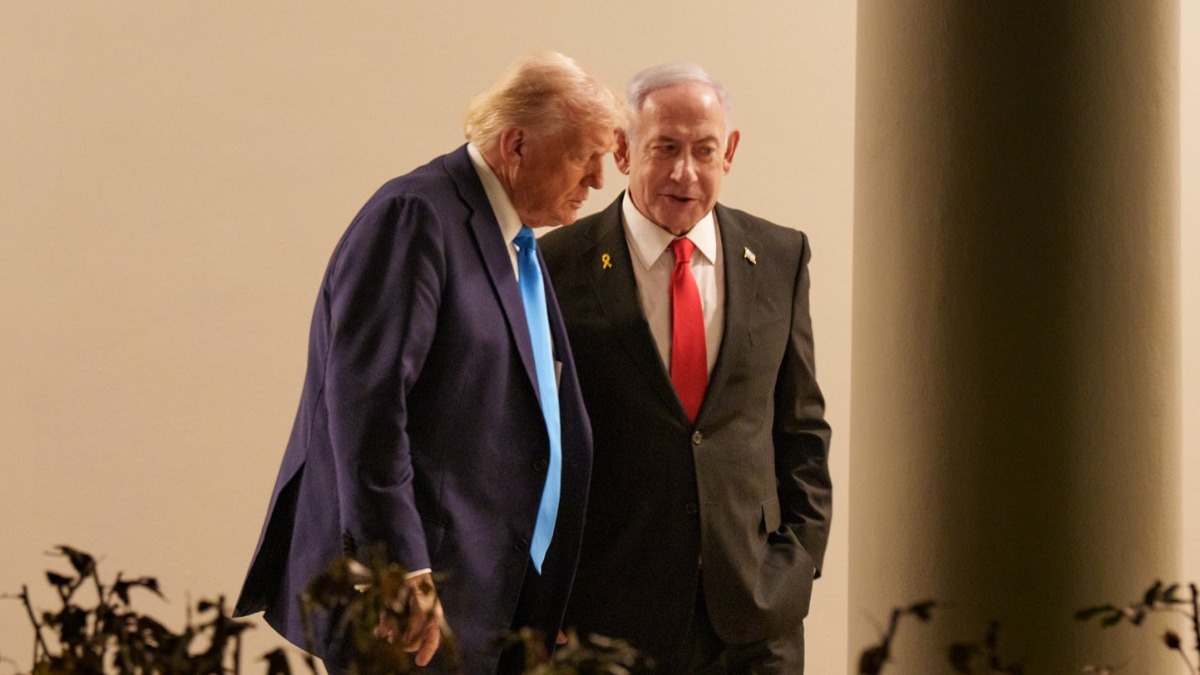

President Trump urged Israel and Iran to stop shooting immediately after Tehran stepped in to back its proxy, Hezbollah, in the wake of an offensive campaign by the Israeli Defense Forces in Lebanon, The Hill reported. This call for a pause in hostilities comes as the region faces a massive escalation in military activity, with both sides trading blows that have put the international community on high alert.
The president took to Truth Social to make his stance clear. “Israel and Iran must immediately stop shooting,” Trump wrote in a post. In a subsequent message, he added, “Both sides, Israel and Iran, are looking to do an immediate CEASEFIRE.” It is clear that the administration is pushing hard to prevent this conflict from spiraling further, especially with the potential for regional shipping disruptions and broader instability.
These remarks follow days of intense tension after Israeli forces breached the security zone that serves as a buffer between Lebanon with intentions to target Hezbollah. This pressure campaign is happening against the backdrop of a US-brokered ceasefire agreement with Lebanon, where local leaders had agreed to create pilot zones to drive out the militant group. Unfortunately, Hezbollah rejected the ceasefire, and Iran subsequently suspended talks with the U.S. regarding the reopening of the Strait of Hormuz.
The situation turned even more volatile as Iran began trading strikes with Israel
Meanwhile, Houthis in Yemen stated they would attack Israeli vessels attempting to transit the Red Sea, which only adds to the risk for global shipping lanes. This is a complex situation, and it is clear that the administration is working to keep the lid on a boiling pot.
President Trump has been very direct about his influence in these negotiations. He told The Financial Times on Sunday that the Israeli prime minister “won’t have any choice” but to accept any deal he finalizes with Iran. “I call the shots,” Trump told the outlet. “I call all the shots. He doesn’t call the shots.”
Last week, Trump called Israeli Prime Minister Benjamin Netanyahu “f—ing crazy” during a heated phone conversation regarding the decision by the Israeli Defense Forces to move into Southern Beirut. The president also told Fox News earlier on Sunday that he was not happy about the strikes on Beirut.
The background to this current crisis is quite grim. On Sunday, the Lebanese Health Ministry reported that two people were killed and 20 were injured. The ministry also noted that Israeli strikes have killed more than 3,600 people and injured more than 11,000 since March 2, according to the Lebanese Broadcasting Corporation International. These numbers are staggering and reflect the severity of the conflict on the ground.
On the military front, the situation remains fluid. After Iran fired ballistic missiles at northern Israel on Sunday, the Israeli Defense Forces posted on X that defensive systems are operating to intercept the threat. The Israeli Defense Forces later posted that sirens could be heard across Israel.
The Islamic Revolutionary Guard Corps said one of the targets was the Ramat David Airbase in northern Israel, citing Iranian state media. The group added that the missiles were launched as a warning if Israel were to continue its attacks on Lebanon. If it expands its attacks in that area, or responds to Iran’s action, it will face more forceful blows, and devastating attacks will be launched, the group stated, adding that Israel has crossed all red lines.
Despite these threats, President Trump is focused on de-escalation. He told Axios that he would call Netanyahu and urge him not to retaliate against Tehran. “I am going to call Bibi right now and tell him not to retaliate, he said. Each of them had their fun. Israel had its strike, and Iran had its strike. We don’t need another one.” An administration official later confirmed that the two leaders did speak.
The path forward, according to the president, involves a peace deal that is “proceeding, subject to ignorance or stupidity getting in its way.” He also noted that a blockade will remain in place until a final agreement is reached, emphasizing that things should move quickly. The U.S. and Iran have tentatively agreed to a memorandum of understanding that would reopen the Strait of Hormuz and extend the ceasefire for 60 days to hash out the elimination of Iran’s nuclear program.
Whether these efforts will hold remains to be seen, but the administration is clearly aiming for a swift resolution.








Published: Jun 8, 2026 02:30 pm