



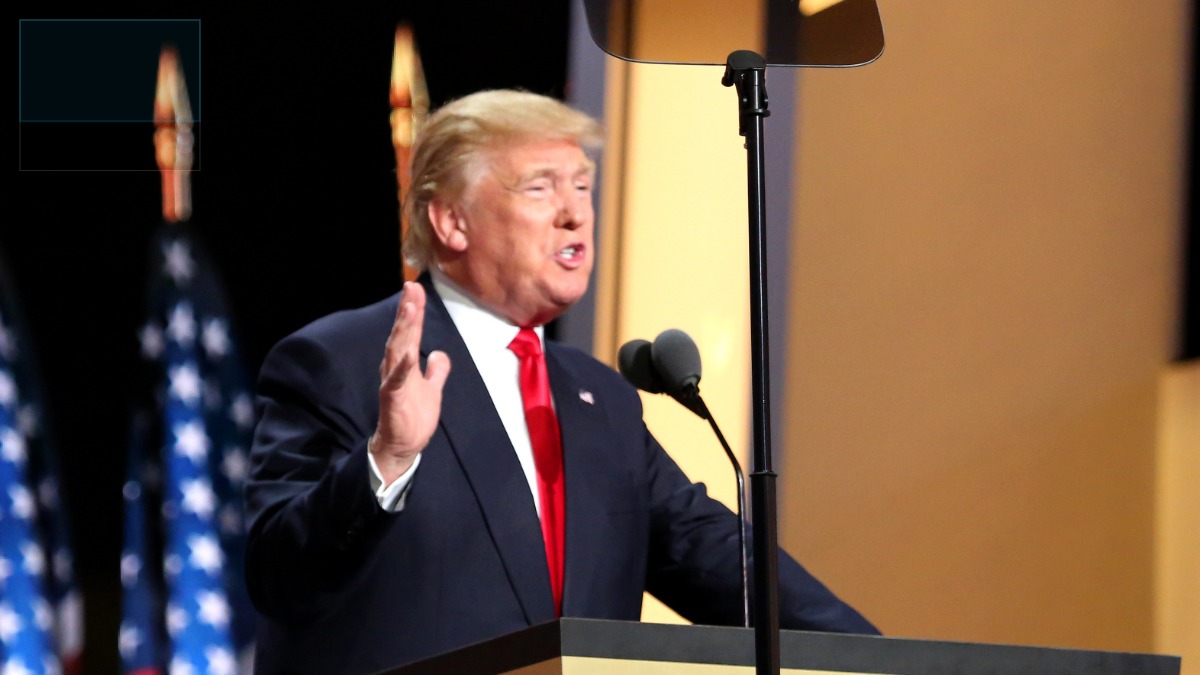

A daily video briefing about the Iran war, usually just two minutes long, is raising concerns among President Trump’s allies. The videos are compiled by U.S. military officials each day and focus mainly on the biggest and most successful strikes on Iranian targets over the previous 48 hours. One official described each video as clips of “stuff blowing up.”
According to NBC News, this curated briefing is fueling concerns among some of Trump’s allies that he may not be receiving the full picture of the war, now in its fourth week. They worry this limited view could affect his ability to make key decisions about next steps or how to end the conflict. The focus on successes is also driving Trump’s frustration with news coverage of the war.
He has reportedly pointed to the daily videos to privately question why the media doesn’t emphasize what he’s seeing. White House press secretary Karoline Leavitt pushed back, saying, “That’s an absolutely false assertion coming from someone who has not been present in the room,” and added that Trump “actively seeks and solicits the opinions of everyone in the room and expects full throated honesty from all of his top advisors.”
Trump’s information gap on the Iran war is becoming a serious concern for those around him
Chief Defense Department spokesperson Sean Parnell stated, “Operation Epic Fury has been an overwhelming success, with our forces executing the mission with unmatched precision and achieving every objective set out from the beginning.” He confirmed that Secretary of War Pete Hegseth is in constant communication with Trump on every aspect of the operation.
While the video briefing is a key part of Trump’s daily intelligence intake, he also receives updates through conversations with military and intelligence advisers and foreign leaders. However, officials admit that the information Trump receives tends to emphasize U.S. successes, with little detail about Iranian actions.
The war has also had broader economic effects, and Trump’s energy chief has called the gas price surge a temporary blip, though several factors could keep costs elevated for longer. One clear example of this information gap came when five U.S. Air Force refueling planes were hit in an Iranian strike at Prince Sultan Air Base in Saudi Arabia.
Trump was not briefed about this and only learned about it from media reports. He later posted on Truth Social that media organizations wanted the U.S. “to lose the War.” Some of Trump’s allies have tried to provide him with additional context, including possible scenarios for how the conflict could develop and options for ending it.
They have also brought new polling to his attention, showing his approval rating dropping several points since the war began. Trump has also said he independently sought information after seeing a video of the USS Abraham Lincoln in flames, and was told by a general that Iran had fabricated it using artificial intelligence.
National Intelligence Director Tulsi Gabbard and CIA Director John Ratcliffe have both told Congress they provide Trump with “all of the best objective intelligence available to inform his decisions.” Ratcliffe said he briefs Trump around 10 to 15 times a week.
Still, Joe Kent, who recently led the National Counterterrorism Center, said internal gatekeeping has limited Trump’s access to dissenting views, stating, “A good deal of key decision-makers were not allowed to come express their opinion to the president. Kent has also warned Trump about a move that could give Iran hostages, calling it a serious risk to U.S. interests.




Published: Mar 25, 2026 07:00 pm