



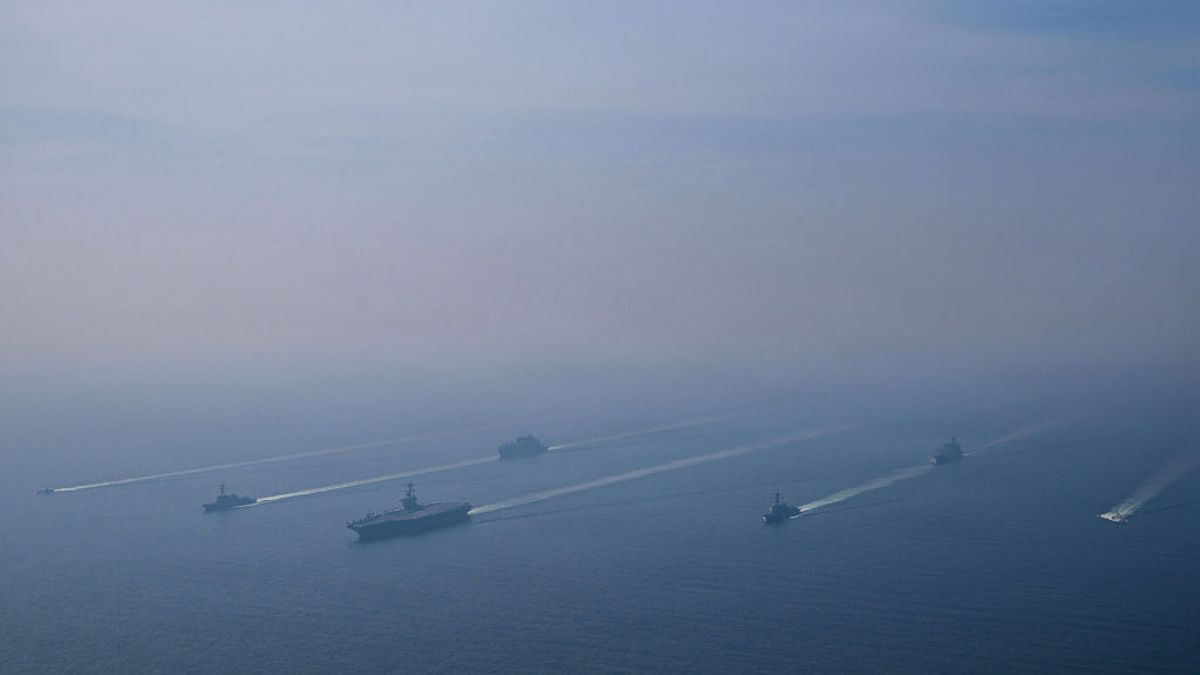

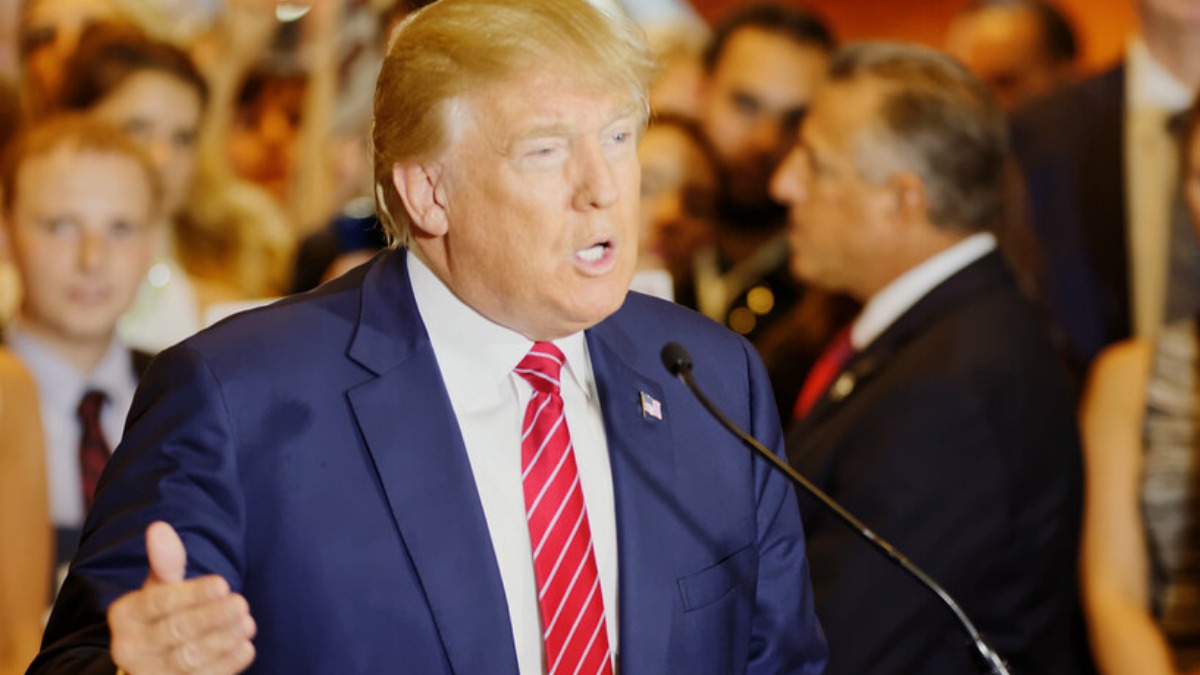
Two powerful U.S. aircraft carrier groups are now positioned within striking distance of Iran, but top negotiators are heading to Geneva for crucial talks to debate a new proposal that could offer a diplomatic way out of a looming military conflict. This last-ditch effort comes as President Trump has been considering significant military action against Iran, aiming to force the country to completely abandon its nuclear program.
According to The New York Times, President Trump has made it clear that if diplomacy doesn’t get Iran to meet his demands, he’s ready to consider a much larger attack in the coming months intended to remove Iran’s current leadership. Potential targets range from the headquarters of Iran’s Islamic Revolutionary Guard Corps to its nuclear sites and ballistic missile program.
The stakes are very high, as these two carrier groups, along with dozens of fighter jets, bombers, and refueling aircraft, represent the largest U.S. military force concentrated in the region since the invasion of Iraq nearly 23 years ago. One of the carriers, the Gerald R. Ford, was recently reported south of Italy in the Mediterranean Sea and is expected to be off the coast of Israel soon.
A limited medical enrichment deal could give both sides a face-saving way out
A new and unexpected proposal is quietly being discussed by both Washington and Tehran. This “off-ramp” suggests that Iran could be allowed a very limited nuclear enrichment program, solely for medical research and treatments.
This idea reportedly came from Rafael Grossi, the director general of the International Atomic Energy Agency. Iran has actually been producing medical isotopes for years at the Tehran Research Reactor, a facility originally supplied by the U.S. decades ago.
If adopted, Iran could claim it’s still enriching uranium, while President Trump could argue that Iran is shutting down all facilities capable of building a weapon. However, it’s far from certain Iran would agree to shrink its vast nuclear program to such a limited effort. Trump has previously given Iran a strict deadline to make a deal, though experts have questioned whether Tehran fully understands what that deadline means.
Despite the proposed off-ramp, both sides are hardening their public positions. Steve Witkoff, President Trump’s special envoy, has stated the only acceptable outcome is “zero enrichment.” Meanwhile, Iranian Foreign Minister Abbas Araghchi has insisted his country won’t give up its “right” to make nuclear fuel. Araghchi did say, “I believe that still there is a good chance to have a diplomatic solution,” adding there’s “no need for any military buildup.”
President Trump discussed plans for potential strikes on Iran in a White House Situation Room meeting on February 19, 2026, with Vice President JD Vance, Secretary of State Marco Rubio, and other senior officials. Gen. Dan Caine, who was confident about the operation to remove Nicolás Maduro in Venezuela, acknowledged Iran is a “far more difficult target.”
Recent satellite images revealing U.S. jets flooding a Jordan base have further highlighted how serious the military buildup has become. Military officials have also raised concerns about how a prolonged war with Iran could impact Navy readiness and already stretched defense resources.







Published: Feb 23, 2026 03:45 pm