





Snap has announced it is laying off approximately 1,000 employees, or about 16% of its full-time workforce, along with the closure of more than 300 open roles. As detailed by Reuters and CNBC, the cuts come as the company leans into AI adoption to streamline operations and responds to sustained pressure from activist investor Irenic Capital Management.
Irenic, which holds an economic interest of about 2.5% in Snap, sent a letter to CEO Evan Spiegel on March 31, 2026, outlining changes it argued could increase the stock’s value by nearly 600%. The firm published its recommendations, titled “6 Steps to 7X,” on savesnapnow.com, with a goal of lifting Snap’s stock price from $3.93 to over $26 per share.
AI is central to the restructuring. Snap says advancements in artificial intelligence are allowing it to function with smaller teams, and the company claims AI is now generating more than 65% of new code. Irenic had explicitly recommended a 21% workforce reduction in favor of AI, stating that “AI can and should replace many existing roles.” As of December, Snap had roughly 5,261 full-time employees.
Irenic also wants Snap to shut down its $3.5 billion AR glasses unit
One of the more contentious points in Irenic’s recommendations is a call to shut down or spin off Specs, Snap’s augmented reality glasses division. Snap has invested more than $3.5 billion into the unit and had been planning a new product launch this year. Irenic has labeled Specs a “cash-burning business” and urged the company to cut ties with it alongside broader cost reductions across the board.
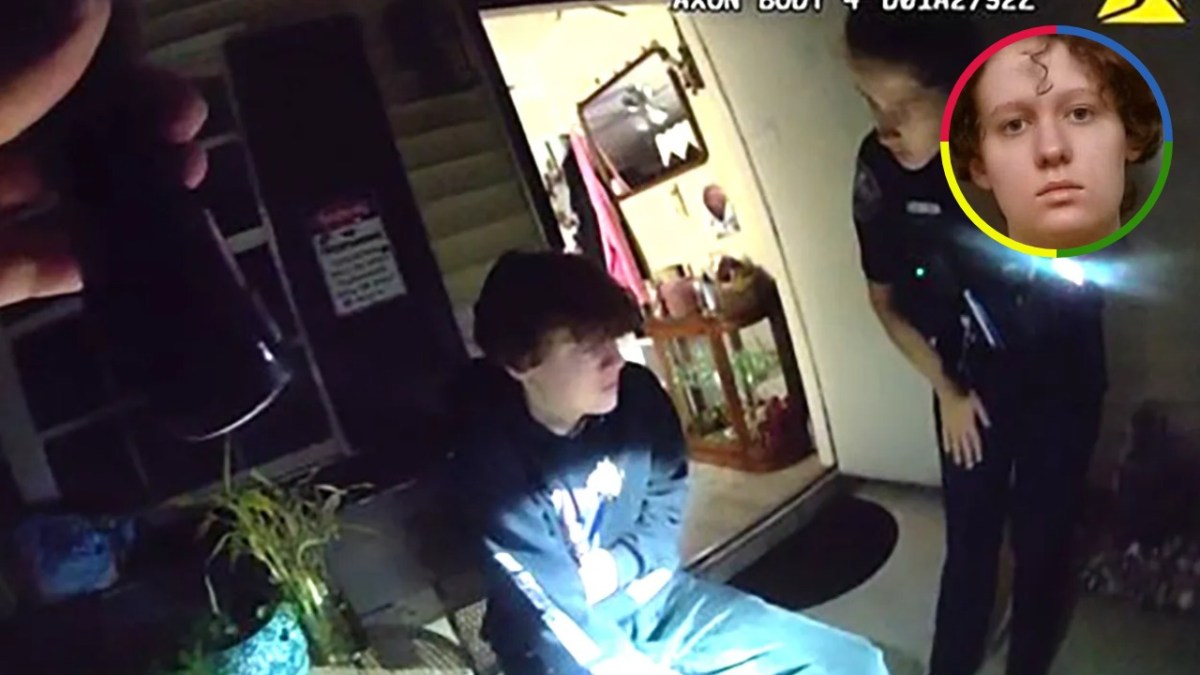
The broader tech industry has been grappling with AI-driven workforce reductions throughout 2026, and data aggregator Layoffs.fyi reports that 80 tech companies have cut around 71,440 jobs so far this year. Amid growing public unease over AI replacing workers, a 20-year-old who allegedly attacked Sam Altman’s home with a Molotov cocktail had written “it’s time to actually act” in an AI chat beforehand.
Snap expects more than $500 million in annualized expense cuts by the second half of 2026, driven by the layoffs and broader reductions to operating costs and stock-based compensation. Spiegel asked North America employees to work from home on Wednesday, April 15, 2026, the day of the announcement. Russ Mould, investment director at AJ Bell, noted that while cost cuts may offer near-term relief, “whether it really leaves the company with a defensible business model and competitive position that it can defend, develop and turn into profits and cash flow is still unclear.”
Financial markets reacted positively, with Snap’s shares rising 5.8% on the news. The stock had nonetheless fallen about 31% so far this year, and had already climbed 14% on March 31 when Irenic first went public with its recommendations, underscoring how much influence activist investors can carry. Labor market analysts had earlier flagged that AI-related restructuring across the tech sector could translate into significant job losses, a concern raised in a broader warning about employment conditions that many companies have been trying to downplay.
Snap guided for first-quarter revenue to rise about 12% to roughly $1.53 billion, largely in line with Wall Street expectations, and forecast adjusted core profit of around $233 million for January through March, above the $186.8 million analysts had projected. The company also noted it has yet to agree with Perplexity on a path forward for its $400 million deal and declined to confirm whether preliminary results include revenue from that arrangement. Snap is set to report full quarterly results on May 6.






Published: Apr 16, 2026 06:00 am