



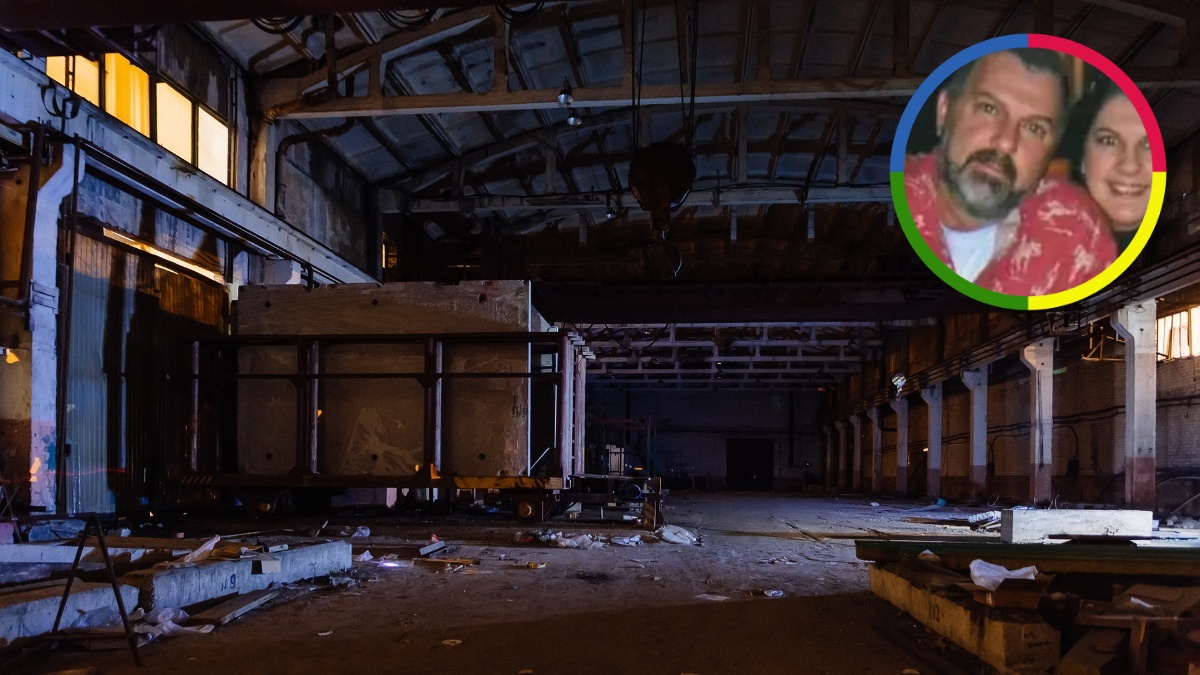

The unsettling reality of body donation emerged after Farrah Fasold learned that the remains of her father, Harold Dillard, were not used as intended for medical research. Instead, parts of his body were discovered in a warehouse alongside dozens of others. As already reported by UNILAD, the discovery came months after his death and contradicted the assurances given to the family.
The story began in 2009 when Dillard, then 56 and in hospice care while battling cancer, was approached by a company called Bio Care. The company asked whether he would consider donating his body so doctors could practice knee replacement surgery, an offer he reportedly welcomed.
Fasold later said her father viewed the donation as a final selfless act that could ease both the emotional and financial burden on his family. He believed his remains would be treated with respect and that any unused parts would be cremated and returned to his family, similar to the trust many people place in institutions and systems they assume are regulated, a trust that has also been tested in unrelated cases, such as when Instagram users panicked after receiving official-looking emails tied to a massive data leak.
A donation meant for research took a disturbing turn
Dillard died on Christmas Eve in 2009, and Bio Care collected his body from the hospice within hours. The family was told that any remains not used for research would be cremated at no cost and returned as ashes.
Several months later, Fasold received a phone call from the police informing her that her father’s head had been found in a warehouse with more than 100 other bodies. Authorities said the bodies had been dismembered using coarse cutting instruments, raising concerns about how they were handled.
Fasold said the discovery deeply affected her, describing recurring images of containers filled with body parts that led to insomnia. Investigators suspected Bio Care acquired donated bodies, used selected parts, and sold the remaining portions instead of cremating them as promised, leaving families blindsided by outcomes they never expected.
This practice is known as body brokering, in which private companies obtain human remains and sell them for research or educational purposes. While legitimate body donation programs exist, body brokering operates in a largely unregulated area distinct from the tightly controlled organ transplant system, a lack of oversight that has drawn reactions similar to public shock seen in other consumer-related stories, such as when a woman filled up her new Toyota from empty and couldn’t believe the final price at the pump.
In the United States, selling organs such as hearts or kidneys for transplantation is illegal, but there is no federal law regulating the sale of bodies or body parts for research or education. Because of this gap, Fasold was told Bio Care had not clearly violated the law.
Although she pursued a fraud case, prosecutors could not prove the company intended to deceive her about the final use of her father’s remains. The case ultimately collapsed, and Bio Care no longer exists.


Published: Jan 13, 2026 05:15 am