



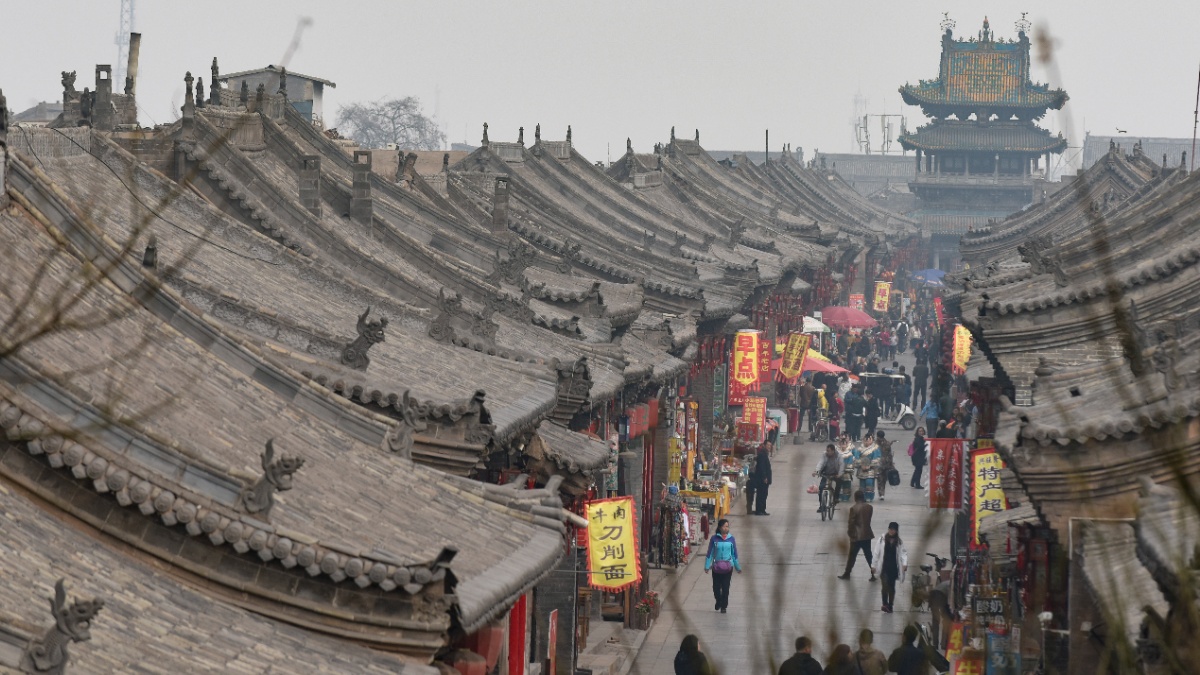

In 2024, Game Science’s Black Myth: Wukong became not only China’s first major blockbuster video game but also a cultural phenomenon that reshaped the tourism industry, as per Travel and Tour World. This action-packed game, which draws inspiration from Chinese folklore, has resulted in a distinct and thriving link between virtual exploration and real-world tourism.
The game’s impact, particularly in China’s Shanxi Province, is being hailed as a pioneering example of “player to tourist conversion”, in which gamers who explored these virtual worlds transformed into actual visitors eager to explore the real-life locations depicted in the game.
The game’s virtual world is rich with 36 locations that bear a strong resemblance to historical and cultural sites in Shanxi. Of these, 27 are directly inspired by real-world locations, such as ancient temples, lush landscapes, and monumental structures. The region, known for its long history and rich cultural heritage, has seen a remarkable surge in tourist visits. The once virtual locations have transformed into real-world destinations, with enthusiasts travelling across the globe to experience these sites firsthand.
This phenomenon has been labelled “player to tourist conversion”, and the results speak volumes about the power of the gaming industry
Within just two months of the game’s blockbuster release, ticket sales for Shanxi’s historical sites skyrocketed, surpassing 160 million yuan (approximately $22.7 million USD). This unprecedented spike in revenue was not limited to historical sites alone. Local hotels, restaurants, retail outlets, and transportation services also experienced substantial growth. The game has directly contributed to a wider economic boom in the region, turning Shanxi into a travel hotspot.
Search engines recorded a staggering 3,178% increase in queries related to “Shanxi tourism” compared to the year before the game’s release. The game’s virtual settings, coupled with the increased visibility from social media channels, triggered an overwhelming wave of public interest. Social media platforms dedicated to the game and Shanxi’s tourism scene collectively received over 40 billion views, further highlighting the scale of interest.
Local governments and tourism bodies in Shanxi were quick to capitalize on the newfound popularity of the game. Tourism organizations in the region swiftly incorporated elements from Black Myth: Wukong into their promotional strategies. New tourism plans and campaigns were designed to meet the growing demand for immersive experiences. These initiatives included creating travel packages, guided tours of in-game locations, and collaborations with local businesses to offer specialized services for gamers.
Additionally, Shanxi’s government began working closely with the gaming community to showcase the region’s cultural significance within the context of the game, further solidifying the relationship between digital culture and tangible experiences.
Beyond the influence on tourism, the game also sparked cultural engagements within China’s art and exhibition scenes. The Art Museum of China Academy of Art in Hangzhou hosted a special exhibition dedicated to the game. Initially planned to run for just 40 days, the exhibit’s overwhelming popularity led to its extension for an additional 68 days, totalling an impressive 108 days. During its run, the exhibition welcomed a staggering 450,000 visitors, far exceeding initial expectations.
Despite daily visitor caps ranging from 4,000 to 6,000 people, the exhibit became a cultural milestone, demonstrating how video games, often seen as entertainment mediums, can deeply influence art and heritage tourism and economic growth.







Published: Dec 23, 2025 05:00 pm