



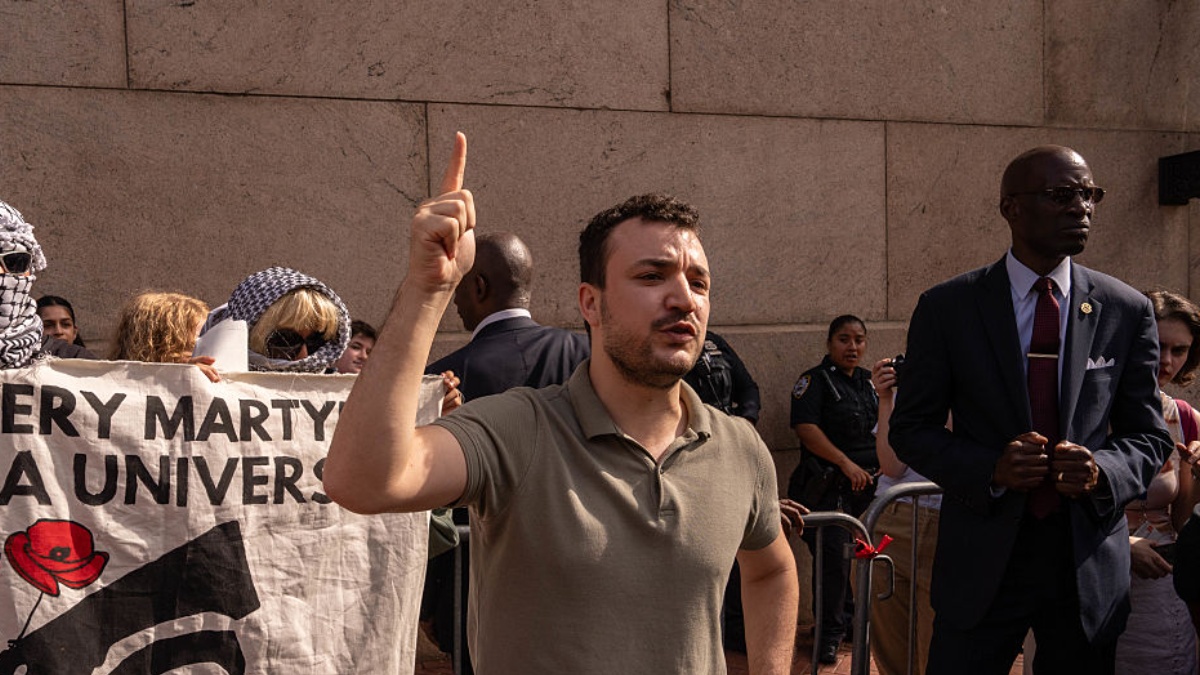

A federal appeals court has reversed a decision that ordered the release of pro-Palestinian activist Mahmoud Khalil from U.S. Immigration and Customs Enforcement custody, handing the Trump administration a significant victory in its effort to deport him. As reported by The Guardian, the ruling was issued on Thursday, January 15, 2026.
Khalil, a former graduate student at Columbia University, has been a focal point for free speech advocates since his detention in March 2025. He is a permanent US resident, married to an American citizen, and has an American child, but the government argues his role in organizing pro-Palestinian campus protests justifies removal on foreign policy grounds.
After spending more than three months in detention, Khalil was ordered released in June 2025 by a federal judge who found the government had failed to justify holding him. That release stemmed from a federal court challenge that has now been set aside.
Why this ruling is about more than a single detainee
I think this case goes beyond a narrow legal dispute and raises serious questions about how free speech is treated when immigration enforcement enters the picture. The Trump administration’s posture toward dissent, combined with ICE’s increasingly aggressive actions, including the fatal shooting of Renee Nicole Good, makes it harder to view this ruling as merely procedural.
To me, prioritizing jurisdictional technicalities over alleged constitutional violations risks normalizing a system where speech is chilled before courts ever reach the merits. That approach feels incompatible with the basic protections the legal system is meant to uphold.
The Philadelphia-based Third US Circuit Court of Appeals ruled 2 to 1 that the federal district court lacked jurisdiction to order Khalil’s release. Circuit Judges Thomas Hardiman and Stephanos Bibas wrote that immigration law requires detainees to raise such claims only after a final order of removal is issued. The decision arrives as immigration enforcement continues to face political scrutiny, including growing Democratic divisions over proposals aimed at dismantling the agency itself.
The majority said Congress designed the system to give petitioners one opportunity to challenge removal decisions through a petition for review, not multiple attempts at different stages. Under that framework, Khalil must wait until his immigration case concludes before contesting the legality of his detention in federal court.
Third Circuit Judge Arianna J Freeman dissented, arguing Khalil had plausibly alleged serious constitutional violations and demonstrated irreparable harm. She noted the government did not dispute findings that his detention was chilling protected speech, emphasizing that harms occurring now may not be fixable later. The appeals decision also comes as immigration enforcement tactics are drawing local backlash from schools.
In a separate Boston case, Judge William G Young previously ruled that the administration’s efforts to deport pro-Palestinian scholars were unconstitutional and intended to suppress free speech, finding that non-citizens lawfully present in the US retain the same First Amendment protections. Following the ruling, the American Civil Liberties Union said the decision addressed only a jurisdictional question and did not resolve whether Khalil’s rights were violated.
Khalil also issued a statement calling the outcome deeply disappointing while confirming he will continue to contest his detention through the remaining legal process.









Published: Jan 15, 2026 06:00 pm