



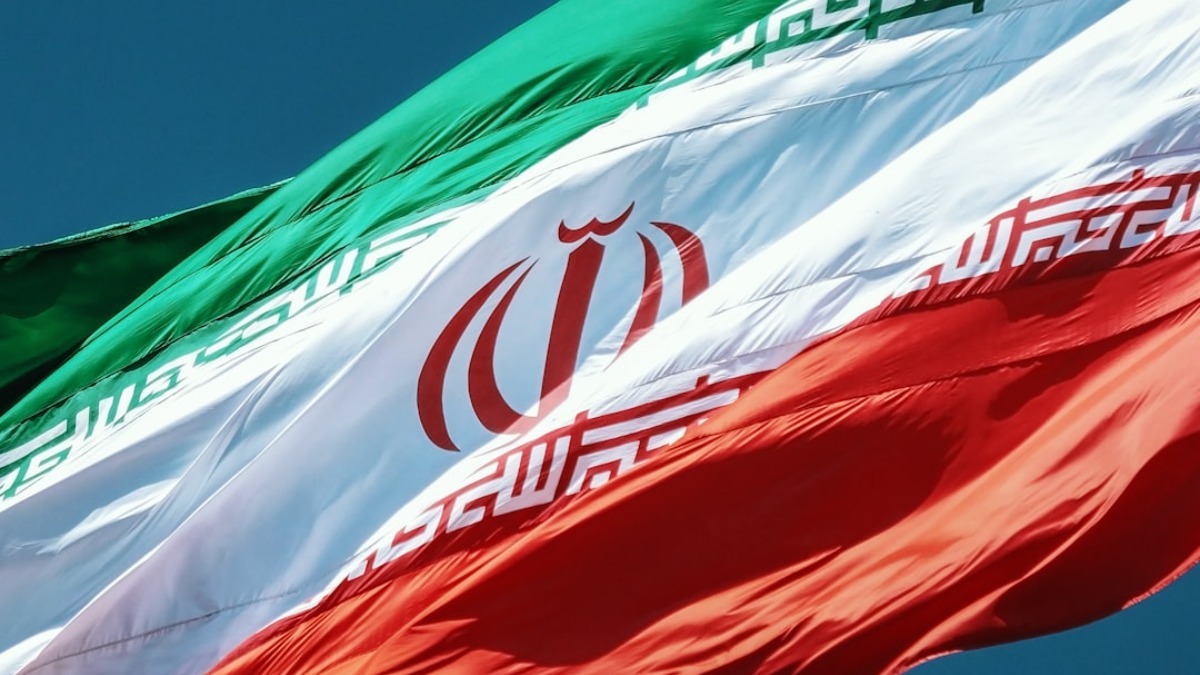

Iran’s Revolutionary Guards have taken the lead in wartime decision-making, a move that signals a harder line in Tehran’s military response across the region. As reported by Reuters, the shift places the force at the center of operational command during the escalating conflict.
Senior sources say the change reflects a deliberate strategy to strengthen resilience within the military hierarchy. The approach also comes as Iran continues launching drone and missile attacks across the region, including a reported strike involving Turkey on Wednesday.
The new structure is designed to ensure the Islamic Revolutionary Guards Corps can keep operating even if top commanders are eliminated. Successors are prepared up to three ranks deep for key positions, allowing mid-level officers to step in quickly if leadership is targeted.
Iran’s wartime command structure now runs deeper than before
The expanded chain of command gives mid-ranking officers more authority to make battlefield decisions, including potentially launching attacks against neighboring states. Analysts warn that while the structure increases operational resilience, it may also raise the risk of miscalculation, with security concerns already surfacing in the U.S. around lone wolf terror in Texas.
The decentralization strategy has roots going back nearly two decades. Iranian planners developed the approach after studying how Iraq’s military collapsed during the 2003 U.S.-led invasion.
Kasra Aarabi, head of research on the Guards at United Against Nuclear Iran, said the concept was built around regional autonomy in wartime. Under that model, provinces could continue defending themselves and maintaining control even if central leadership were disrupted.
The Guards also play a central role in internal security across Iran. That dual role means they act both as the country’s primary military response to outside threats and as the force responsible for suppressing domestic unrest.
Analysts say that dynamic could make internal protests less likely during the conflict. It also complicates expectations in Washington and Israel that sustained pressure could trigger internal instability within Iran’s government, with added scrutiny on U.S. decision-making such as FBI Iran experts firing.
The Guards’ influence could grow further depending on who succeeds Supreme Leader Ayatollah Ali Khamenei. His son, Mojtaba Khamenei, is widely viewed as a possible successor and is believed to maintain close ties with the organization.
Despite occasional factional rivalries, sources say the Guards have largely unified as Iran faces external attacks. Iranian Foreign Minister Abbas Araqchi said the country’s response had been prepared in advance, suggesting some units may be acting under broad standing instructions rather than waiting for real-time political approval.







Published: Mar 4, 2026 07:30 pm