




A 22-year-old medical student from northern India has found a lucrative, albeit unconventional, way to fund his education by creating an AI-generated persona tailored specifically for the American conservative political landscape. The student, who uses the pseudonym Sam to protect his future career as an orthopedic surgeon and his immigration prospects, turned to artificial intelligence after struggling to cover the costs of his licensing exams, Wired reported.
His digital creation, Emily Hart, quickly became a viral sensation on Instagram, proving that the intersection of AI imagery and political polarization is a highly profitable niche for those willing to exploit it. Sam initially attempted to make money through more traditional online ventures, such as selling study notes and creating content for YouTube.
When these efforts failed to provide the financial stability he needed, he began experimenting with AI tools. He eventually landed on the idea of generating images of an attractive woman to sell content online. However, his initial attempts at creating a generic model were unsuccessful.
He sought advice from Google Gemini, which suggested that he target the MAGA and conservative demographic, describing it as a cheat code
The chatbot noted that this audience, particularly older men in the US, often possesses higher disposable income and demonstrates greater loyalty to the influencers they follow. While a representative for Gemini stated that the platform is designed to offer neutral responses without favoring any political ideology, Sam followed the advice and launched his operation in January.
The persona of Emily Hart was carefully crafted as a registered nurse and a Jennifer Lawrence look-alike. Sam populated her Instagram account with photos of the AI-generated woman engaging in activities like ice fishing, drinking Coors Light, and shooting at a rifle range. He paired these images with captions that were heavily saturated with emojis and right-wing rhetoric.
Some of his posts included statements like, “If you want a reason to unfollow: Christ is king, abortion is murder, and all illegals must be deported,” and “POV: You were assigned intelligent at birth, but you identify as liberal.” Despite never having lived in the United States, Sam became an expert in MAGA talking points, consistently posting content that was pro-Christian, pro-Second Amendment, and anti-woke.
The strategy proved to be incredibly effective. Sam claims that his Reels were regularly hitting 3 million to 10 million views, fueled by an algorithm that prioritized the controversial and polarizing nature of the content. Within a single month, the account amassed over 10,000 followers.
Many of these users migrated to Fanvue, a competitor to OnlyFans that is more permissive regarding AI-generated content, to pay for softcore images and exclusive messages. Sam estimates that he was making a few thousand dollars a month by dedicating only 30 to 50 minutes of his day to the project. This income was significant for a student living in India, where professional wages are often lower.
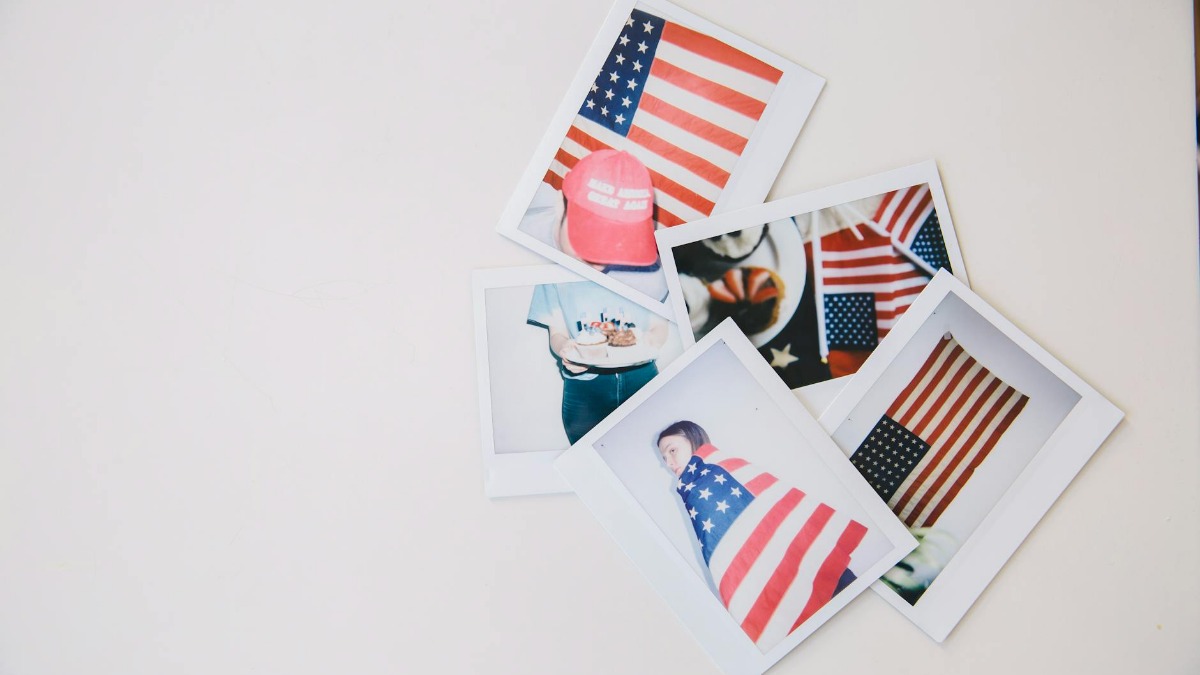
The success of Emily Hart is part of a broader trend of AI-generated influencers infiltrating social media. These accounts often follow a specific template, featuring blonde, white women in roles like emergency responders. By combining right-wing political commentary with imagery of American flag bikinis or MAGA hats, these creators capitalize on the digital literacy gaps of their audience.
Valerie Wirtschafter, a fellow at the Brookings Institution, points out that while fake profiles are not a new phenomenon, AI has made them significantly more believable and amplified their reach. She also notes that because young women in the 18-to-29 demographic tend to lean liberal, the presence of young, attractive conservative women is viewed as a rarity that grabs more attention.
Sam’s experience highlights the cynical nature of the engagement economy. He discovered that even when liberals flocked to his page to leave angry comments, the algorithm treated the interaction as a win because it drove viral reach. He even speculated that content involving more extreme themes, such as Nazism, would perform even better, though Meta maintains that it prohibits content that glorifies or represents such ideologies.
While much like TikTok, Meta ostensibly requires creators to label AI-generated content, enforcement is inconsistent. Emily Hart’s account was eventually banned by Instagram in February for fraudulent activity, though Sam had already decided to move on to focus on his medical studies. He maintains that he does not regret the project, viewing the experience as a simple exchange where he provided content that his audience wanted to consume, regardless of whether the person in the photos was real.








Published: Apr 21, 2026 08:00 pm