



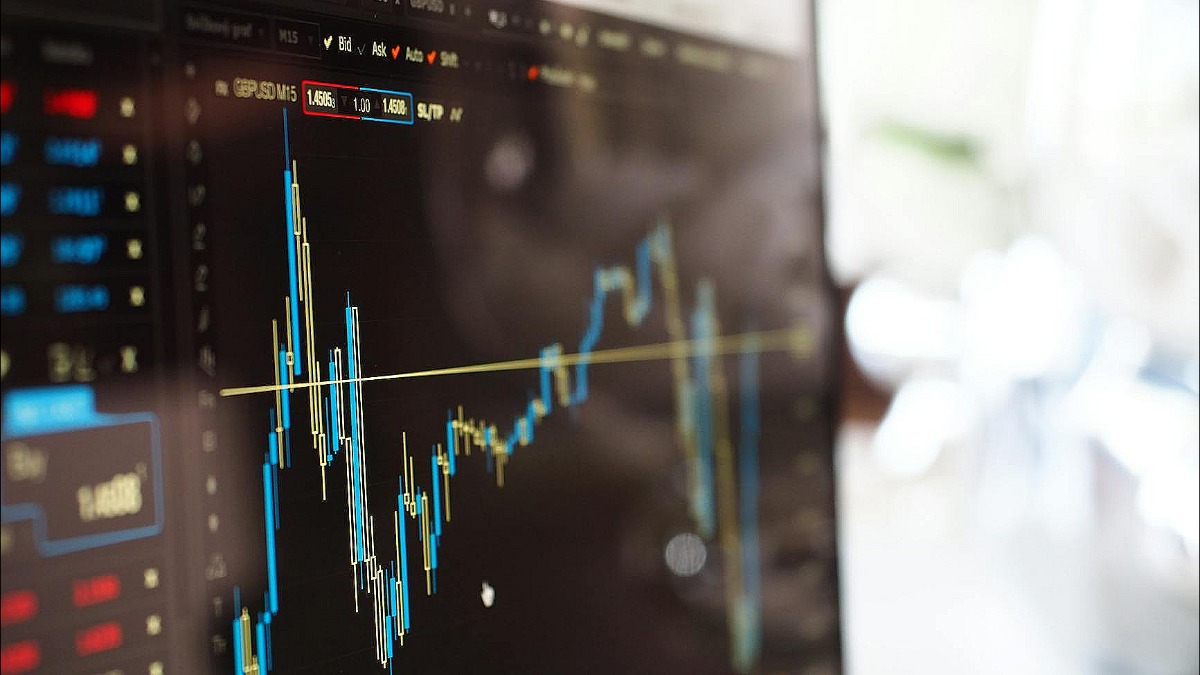

A mysterious trader has made nearly $1 million since 2024 by placing well-timed bets on Polymarket, correctly predicting unannounced US and Israeli military actions against Iran. This pattern has raised serious concerns about possible insider trading on the popular prediction market platform.
According to CNN, the trader won 93% of their large bets related to Iran, even though the events involved were secret military operations. These bets were placed just hours before Israeli strikes in October 2024, hours before US airstrikes on Iranian nuclear facilities in June 2025, and hours before the joint US-Israeli surprise attack in February that started the current war.
Bubblemaps, an analytics company that tracks blockchain transactions, flagged this suspicious activity. Bubblemaps CEO Nick Vaiman stated, “All of this is strong signaling of insider activity, based on the amount they made, the markets they bet on, the timing of their trades, the success rates of these trades, and the fact that they are connected on-chain.” He added, “This is pretty suspicious in my book.”
The trader’s win rate is far too high to be explained by luck alone
Todd Phillips, a finance professor at Georgia State University and a former member of a CFTC advisory board, noted that most high-frequency traders usually stay just above a 50% win rate. This trader’s overall win rate of 83%, and 93% for bets over $10,000, netting nearly $967,000, stands out sharply. Phillips said, “It sure seems like this person either has incredible luck, or was insider trading. Having win rates in the 80% to 90% range is just too good to be true.”
The trader’s identity remains unknown, and the accounts used cannot be publicly traced to any specific person. A mysterious Polymarket account that made $515,000 on the Iran strike before the news broke has already drawn widespread attention. All the bets were placed on Polymarket’s international site, which currently operates outside US regulations. Polymarket has not responded to requests for comment.
The Commodity Futures Trading Commission (CFTC), the federal agency that oversees prediction markets, approved Polymarket to offer trades to American customers last year. This approval came after the Trump administration closed a Biden-era criminal investigation into whether Polymarket was improperly allowing US users onto its offshore platforms.
In response to growing concerns, Polymarket announced new rules for both its offshore and US-based platforms. These rules ban trades based on confidential information, trades based on tips from someone with the same obligation, and participation by individuals in “a position of authority or influence” to affect an event’s outcome.
Polymarket’s chief legal officer, Neal Kumar, stated, “These rule enhancements make our expectations abundantly clear for every participant across both platforms and highlight the compliance infrastructure we have already built.”
Suspicious trading patterns on prediction sites are not new. A suspicious account that bet $400,000 on Venezuela strikes days before they happened followed a similar pattern. In Israel, two individuals, including a military reservist, were recently indicted for allegedly using classified information to bet on Polymarket during the country’s war against Iran.
These concerns have pushed a bipartisan group of US lawmakers to propose legislation banning federal officials from using non-public information to bet on prediction platforms. The CFTC has also issued guidance reminding approved operators that insider trading is illegal and that it can investigate and take enforcement action.
Jason Trost, CEO of UK-based regulated prediction site Smarkets, drew a clear line, saying, “If there’s something you know about, that is about to happen, and it is materially non-public information, then that, I think, is the red line.”







Published: Mar 24, 2026 06:30 pm